
Reviewed · BUENOS AIRES FOOTBALL TOURS
Buenos Aires: River Plate and Boca Juniors Museum Tour
Buenos Aires football makes more sense when you see both sides of the Superclásico. This tour links Boca Juniors’ home in La Boca with River Plate’s Monumental in Núñez, giving you club history, famous players, shirts, trophies, and a feel for how two stadiums can carry such different identities. I like the clear contrast between the clubs and the fact that transport connects far-flung parts of the city.
I also like the interactive museum displays and the chance to visit River’s playing field for photos. Guides such as Ariel and Martin have been singled out for patient explanations and local detail. The big catch is important: Boca’s stadium is closed for renovations, so you currently get the Pasion Boquense Museum without the pitch, locker rooms, or stands.
In This Review
- Key points to know before booking
- Two clubs, one city-wide football argument
- La Boca and the Boca Juniors story
- River Plate and El Monumental in Núñez
- Why the Boca and River comparison works
- How much value do you get for $103?
- Timing, comfort, and what to bring
- Which ticket option fits your plans?
- The best and weakest parts of the experience
- Who should book this football tour?
- Should you book the River Plate and Boca Juniors Museum Tour?
- FAQ
- Where does the tour begin?
- How long does the tour last?
- Can I enter La Bombonera during the tour?
- Can I visit the River Plate playing field?
- Are museum tickets included?
- What languages are available, and what should I bring?
Key points to know before booking
- Boca’s La Bombonera access is suspended: The current visit covers the museum only, not the field, changing rooms, or seating areas.
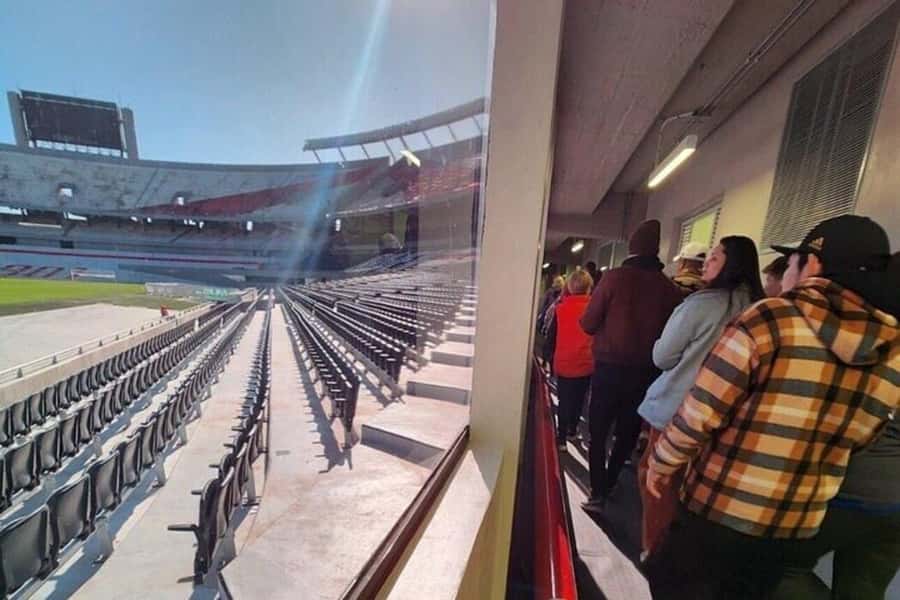
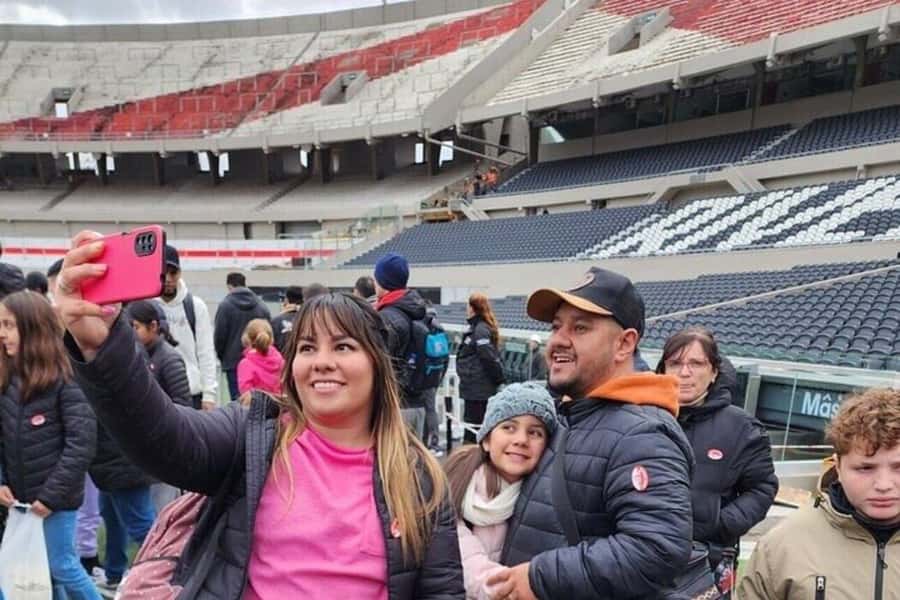
- River’s tour includes more stadium access: At El Monumental, you can enter the stadium and take photos by the playing field, subject to operation on the day.
- The two clubs tell different stories: The tour is useful because it places Boca and River side by side instead of treating either club in isolation.
- Transport is included: You meet at Tangol’s office in San Telmo, then travel to La Boca and Núñez with a guide.
- Allow three to five hours: This is a half-day football outing, not a quick museum stop.
- Choose the right ticket option: Some bookings include both museums, while others cover only Boca Juniors or River Plate.
Two clubs, one city-wide football argument
Buenos Aires football is not just a sport to follow from a seat. It is part of the city’s identity, and Boca Juniors and River Plate represent its most famous rivalry. Boca is tied to La Boca and La Bombonera, while River plays at El Monumental in Núñez. Seeing both gives you a much better sense of the scale of the rivalry than visiting one club alone.
The tour begins at Tangol Travel Agency’s office in San Telmo. That meeting point is practical if you are already exploring the old quarter, but it is not hotel pickup. You need to make your own way there, and you should arrive ready for several hours on the move.
A guide leads the group and provides transportation between the stops. English and Spanish are available, though the guide may be multilingual. This matters because the experience depends heavily on explanation. A museum can show you shirts and trophies, but a good guide helps you understand why Boca and River inspire such strong loyalties.
The group may be small, though no fixed group size is stated. One especially personal outing was handled by Martin with only one participant, allowing plenty of time for questions and photos. You should not assume every departure will be that private, but it shows the tour can feel flexible when numbers are low.
More football days in Buenos Aires:
- Buenos Aires: Tickets to Boca Juniors Museum & Stadium
★ 4.5 · 581 reviews - Soccer Match in Buenos Aires with Transfers and Local Guide
★ 5.0 · 103 reviews - Buenos Aires: Boca Juniors and River Plate Football Tour
★ 4.3 · 82 reviews
La Boca and the Boca Juniors story
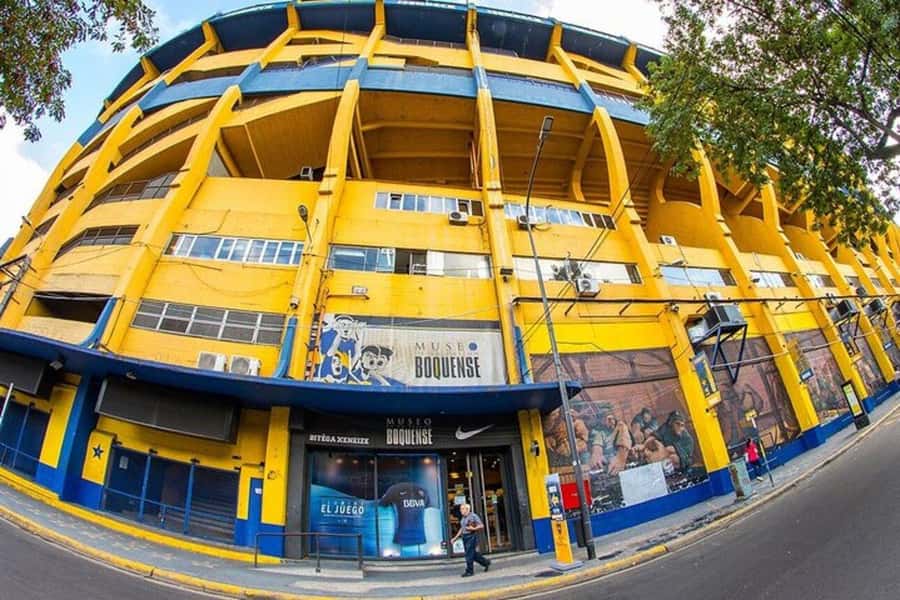
The first major stop is La Boca, one of Buenos Aires’ best-known neighborhoods and the home of Boca Juniors. The area has a strong visual identity, but the football club is the real focus here. You are visiting the setting of La Bombonera and learning how Boca became one of Argentina’s defining clubs.
Under the current conditions, you will not tour the stadium interior. Renovation work means there is no access to the field, locker rooms, or stands. This is the most important point to understand before paying for the experience. If walking onto a famous pitch is your main goal, Boca’s portion will feel limited.
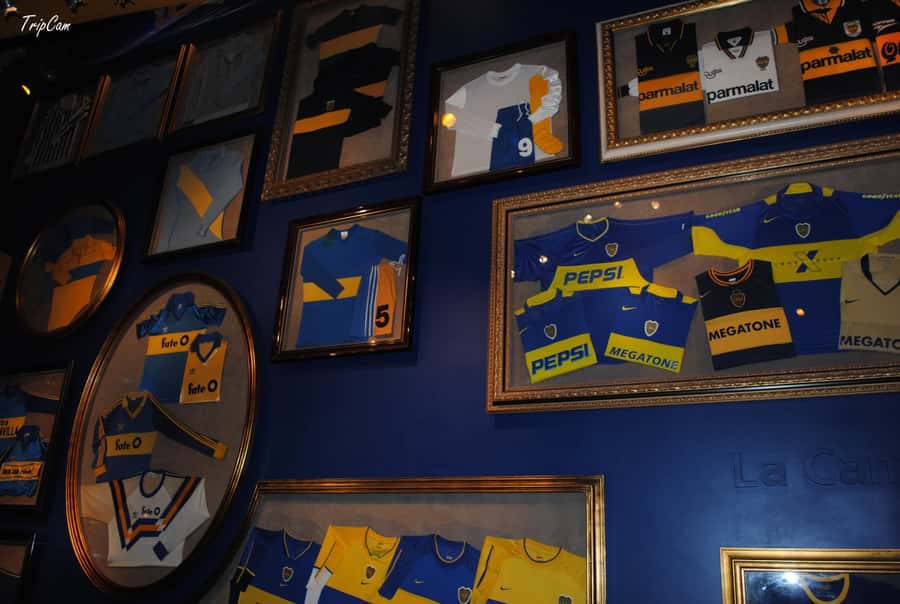
You can still learn about the stadium and its place in the club’s story, then continue to the Museo de la Pasión Boquense. The museum presents Boca’s past through club records, players, shirts, and major moments. Its displays are designed for football fans, with interactive elements that make the visit more than a row of static plaques.
The shirt display is a useful detail. Club colors and designs change over time, and Boca’s famous blue and yellow look is closely tied to its public image. Seeing that evolution gives you a simple way to follow the club’s changing eras, even if you do not know every player or title.
A film adds a more theatrical touch. It shows what it feels like to join the team and run onto the pitch in Boca’s kit. This cannot replace stepping into La Bombonera, but it helps recreate the emotional side of match day.
The museum is likely to work best for football fans who enjoy club culture, old shirts, famous names, and visual displays. If you are mainly interested in architecture or a full stadium backstage tour, adjust your expectations. The renovation notice is not a small footnote. It changes the Boca experience in a meaningful way.
River Plate and El Monumental in Núñez
After Boca, the route heads north to Núñez, where River Plate plays at El Monumental. The change of neighborhood is part of the appeal. You are not seeing two similar football venues in one complex. You are crossing Buenos Aires to visit the homes of two rival clubs.
The River portion begins outside the stadium. You look at the access gates and get an introduction to what is sometimes called Barrio River, the area around the club. This exterior orientation helps you understand the stadium as part of its district, rather than treating it as just another attraction.
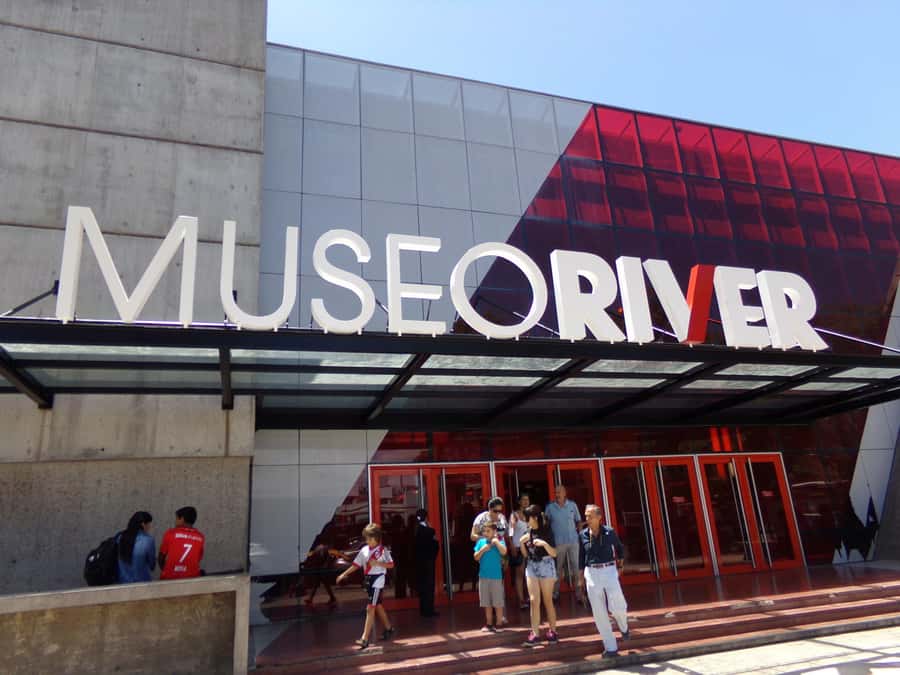
You then enter the Museo River Plate. The tour starts with a temporal translation module, a presentation that takes you through the club’s development from its founding and highlights its biggest achievements. It is a useful way to organize a long story. Instead of trying to memorize dates, you can follow the club through its major periods, players, and titles.
River’s museum focuses on the club’s identity and sporting record. You will see material connected to great players and important victories. The contrast with Boca is what makes the two-museum format worthwhile. You are not simply repeating the same visit twice. You are comparing two institutions that have built distinct traditions and fan cultures.
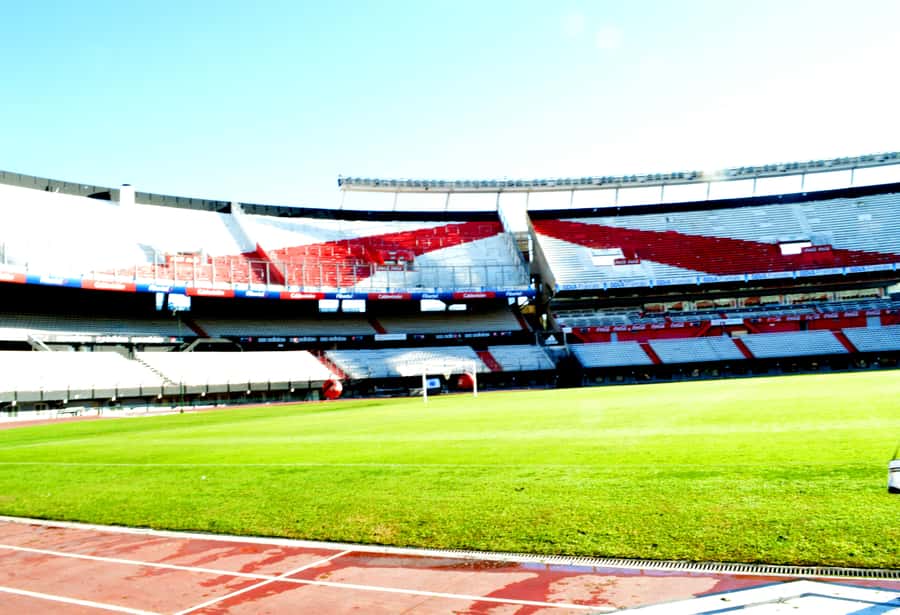
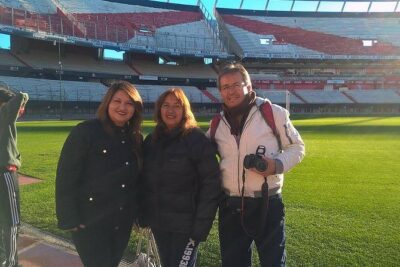
The River visit also includes entry into the stadium, with time to reach the playing field and take photos. This is a major advantage over the current Boca itinerary. If you want a stadium moment rather than museum displays alone, River provides the stronger part of the day.
Access can change with stadium operations, so do not treat the field visit as an absolute guarantee in every circumstance. Still, the stated itinerary specifically includes the playing field, while Boca’s interior areas are unavailable because of renovation. That difference should guide your choice if you are deciding between a combined ticket and a single-club option.
Why the Boca and River comparison works
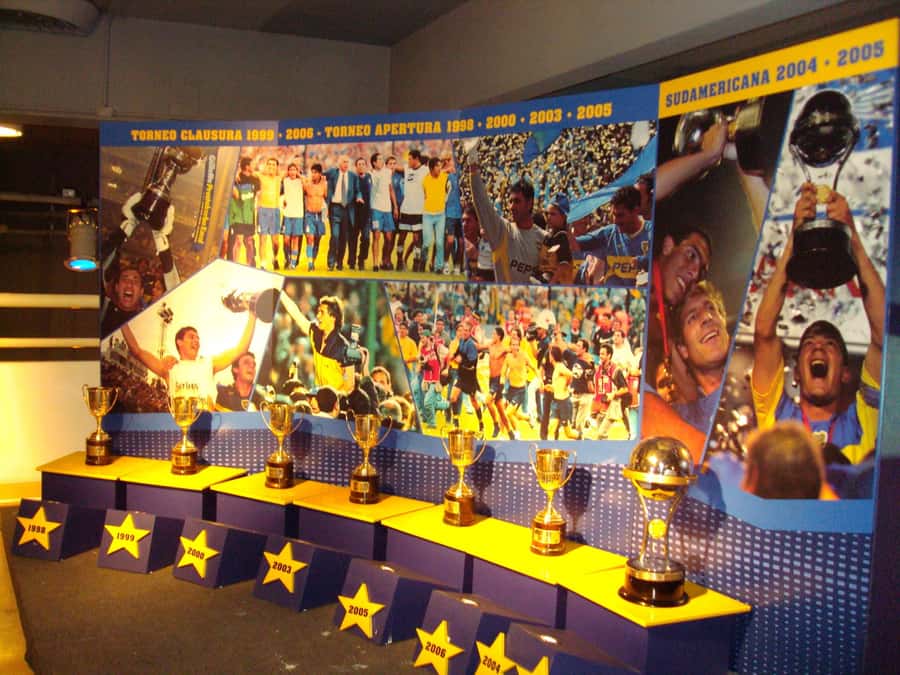
A single-club museum can explain a team’s story. This tour adds value by giving you a comparison. Boca and River are linked by the Superclásico, but their stadiums, neighborhoods, images, and fan traditions create different impressions.
I like the way the tour lets you ask questions across both visits. A guide such as Martin can explain not only the clubs’ achievements but also the cultural differences and small details that make the rivalry so compelling. That kind of context is hard to get from displays alone.
Ariel also received strong praise for his warm, helpful approach. Specific guide assignments can change, but these examples show what to hope for: clear football history, answers to questions, and enough time for photographs instead of a rushed march through the exhibits.
The tour is especially useful if you are new to Argentine football. You do not need to arrive knowing the Superclásico’s entire history. The museums provide names and milestones, while the guide connects them to the rivalry.
If you already follow Boca or River closely, the value is different. You may know much of the club history, but you still gain access to the physical places and displays. You can also use the guide to ask about players, titles, stadium traditions, and the differences between the clubs.
More museums and theatres in Buenos Aires:
- Buenos Aires: Teatro Colon Guided Tour
★ 4.3 · 571 reviews - Teatro Colon Guided Tour Admission Ticket
★ 4.0 · 208 reviews - Experience Teatro Colon : Secure your Tour today!!!
★ 4.2 · 66 reviews - Buenos Aires: Hop-On Hop-Off Bus and Football Museums
★ 4.3 · 39 reviews
How much value do you get for $103?
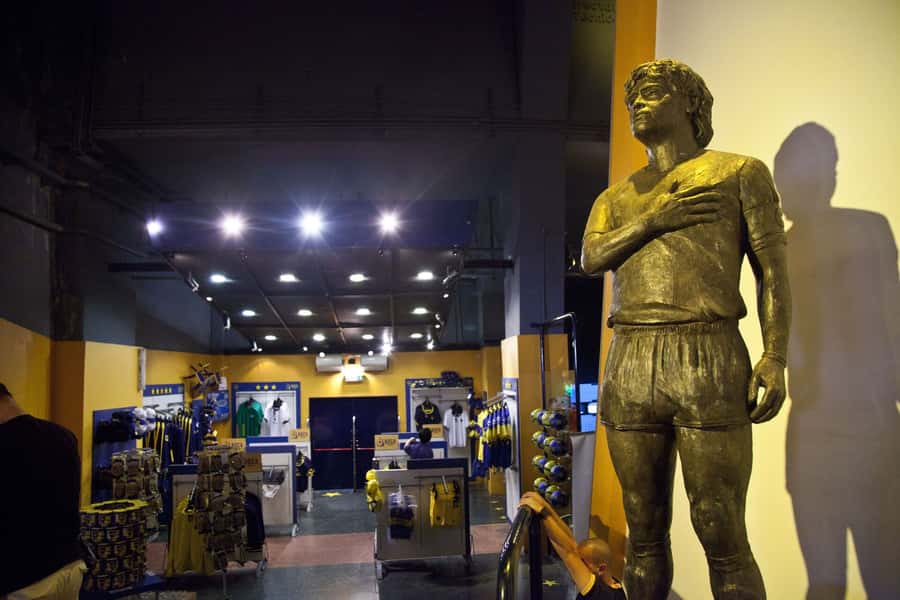
At $103 per person, this is not a bargain museum ticket. You are paying for a guided half-day, transportation between San Telmo, La Boca, and Núñez, and entry to the museum or museums included in your selected option.
The price makes the most sense when you choose both museums. You get a full football-focused outing and avoid arranging transport between distant parts of the city. The guide also adds value by putting the clubs into context and handling the route.
The calculation changes if you select only one museum. A single-club visit may suit you better if you are devoted to Boca or River, or if your schedule is tight. But the combined tour is the stronger choice for anyone curious about the rivalry itself.
Boca’s renovation reduces the value of the combined experience if you expected two full stadium tours. You should think of it as one museum-only visit at Boca, followed by a museum and stadium visit at River. That is still a substantial football day, but it is not equal access at both grounds.
Food, drinks, and personal extras are not included. There is no hotel pickup, so you also need to factor in the time and cost of reaching the San Telmo office. On the positive side, cancellation is free up to 24 hours before the tour, and you can reserve now and pay later, which helps if your Buenos Aires schedule is still shifting.
Timing, comfort, and what to bring
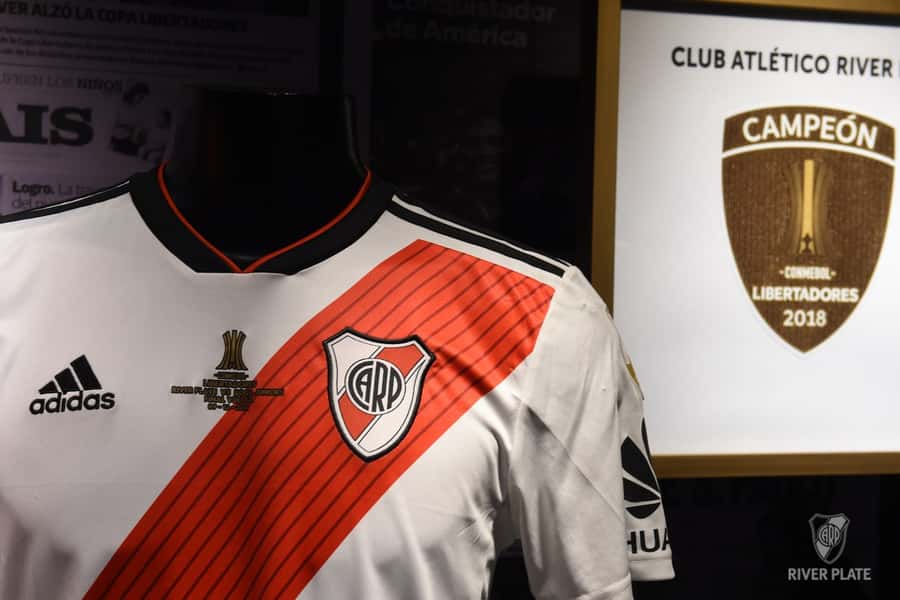
The stated duration is three to five hours, with starting times depending on availability. Plan for the longer end. You are visiting two neighborhoods, two club museums, and one stadium, with transport in between. The pace may vary by group size and operating conditions.
Wear comfortable shoes. You will walk around museum spaces, exterior areas, and the stadium. Bring your passport or ID card, as identification may be required. Large bags and luggage are not allowed, so leave bulky items at your accommodation.
There is no food or drink included, and the tour information does not promise a meal break. Eat beforehand and carry only what is permitted. A light day bag is more practical than luggage, but check the provider’s current bag rules if you are unsure.
This experience is not suitable for wheelchair users or people with mobility impairments. The route includes walking and stadium access, and the stated conditions do not support a wheelchair-friendly visit. If mobility is a concern, contact Tangol before booking rather than assuming adaptations are available.
The guide may speak to a multilingual group. English and Spanish are offered, but the amount of time spent in each language can affect the rhythm of the tour. If detailed English explanation is essential, confirm the language arrangement when you book.
Which ticket option fits your plans?
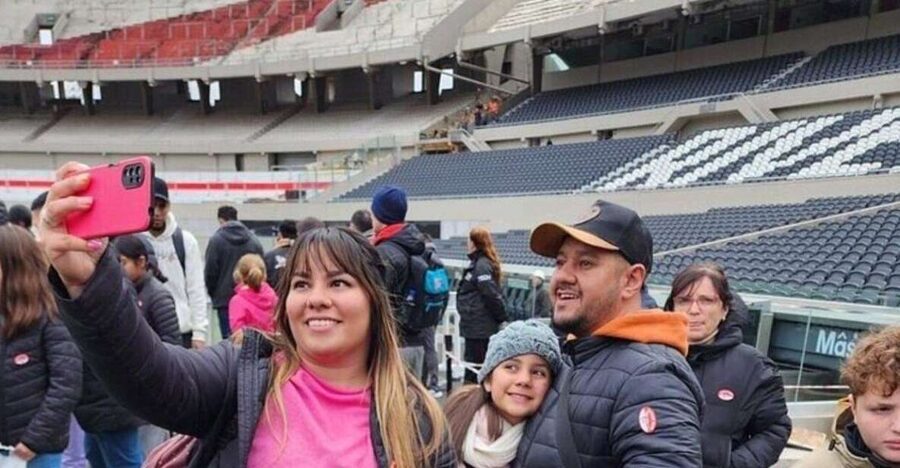
The combined Boca and River option is the obvious pick for first-time visitors who want the full rivalry story. It also suits football fans who can spare most of a morning or afternoon and want transportation included.
Choose Boca only if the Pasion Boquense Museum is your priority. Remember that this currently does not include the stadium field, locker rooms, or stands. The museum can still be worthwhile, especially if you enjoy club shirts, player history, and interactive presentation, but it is not a behind-the-scenes stadium tour at present.
Choose River only if El Monumental is the main reason you are booking. The River option gives you the museum and the chance to enter the stadium and photograph the playing field, making it the better match for someone who wants physical stadium access.
If you have limited time in Buenos Aires, the combined tour offers efficient coverage. If you have plenty of time and prefer a slower visit, separate club experiences might let you spend longer at each museum, though transportation and guide support would not necessarily be arranged in the same way.
The best and weakest parts of the experience
The strongest element is the club comparison. You learn about two major Argentine teams on the same outing, then see how their homes differ in location and character. That gives the football rivalry a physical shape.
The River visit is another clear strength. Museum displays lead into the stadium, and the playing field creates the kind of photo opportunity many people want from a football tour.
The Boca museum offers good content, especially for fans interested in shirts, players, titles, and the emotional side of joining the team. Its film adds atmosphere without requiring match-day access.
The main weakness is Boca’s closure. The tour description originally includes locker rooms, stands, and pitch access, but the current notice removes all of those areas. Read the latest conditions carefully so you do not book expecting two complete stadium tours.
The other consideration is pace. Three to five hours is a long time if you are only mildly interested in football. For a dedicated fan, it may pass quickly. For everyone else, the combined museum format could feel specialized.
Who should book this football tour?
I would recommend it to football fans, sports-minded families with older children, and visitors who want a guided look at one of Argentina’s strongest cultural passions. It is also a good choice if you want to visit both La Boca and Núñez without planning the route yourself.
The tour suits you particularly well if you want history explained in plain language. Guides such as Ariel and Martin have shown the value of a personal approach, with time for questions and photos. A small group can make the day feel almost like a private outing, though group size is not guaranteed.
I would be more cautious if your main goal is to enter La Bombonera. That is not available during the renovation period. In that case, select the River option, or wait until Boca confirms that field, locker-room, and stand access has returned.
Should you book the River Plate and Boca Juniors Museum Tour?
Book it if you want a guided comparison of Buenos Aires’ two great clubs and you are comfortable with Boca being a museum-only stop. At $103, the combined option offers fair value when you count the transport, guide, two museums, and River stadium access.
Skip it if you expect full stadium access at both venues, dislike organized transport, or have mobility limitations. Before paying, confirm which museum option you selected and remember the key distinction: Boca currently means museum only, while River includes stadium access and field photos when operating.
FAQ
Where does the tour begin?
The meeting point is Tangol Travel Agency’s office in San Telmo. Hotel pickup is not included.
How long does the tour last?
The tour lasts approximately three to five hours. Starting times depend on availability.
Can I enter La Bombonera during the tour?
No. Because of renovations, the Boca Juniors stadium visit is currently not operating. You have access to the Pasion Boquense Museum, but not the field, changing rooms, or stands.
Can I visit the River Plate playing field?
The River portion includes entry to El Monumental and time to visit the playing field and take photographs, subject to stadium operations.
Are museum tickets included?
Museum entry depends on the option you choose. Some options include both the River Plate Museum and Boca Juniors Museum, while others include only one.
What languages are available, and what should I bring?
The tour is offered in English and Spanish, though it may be operated by a multilingual guide. Bring a passport or ID card and comfortable shoes. Large bags and luggage are not allowed.
Just added around Buenos Aires
- Unique Tigre and Delta Private Day Cruise Navegation★ 5.0 · 3 reviews
- Buenos Aires: Customizable City Tour in Polish★ 4.7 · 3 reviews
- Tango Show at: MichelAngelo★ 4.5 · 3 reviews
- Velez Sarsfield Football Match★ 5.0 · 3 reviews
- Enjoy a Rural Experience in a Vineyard near Buenos Aires★ 4.7 · 3 reviews
- Guided tour Boca Juniors Museum & Stadium + Caminito★ 3.3 · 3 reviews
- From Colonialism to Eclecticism, Buenos Aires arquitectonica★ 5.0 · 3 reviews
- Buenos Aires: Private City Tour by Car with Hotel or Pickup★ 5.0 · 3 reviews
Buenos Aires Football Tours, compared.

Soccer Match in Buenos Aires with Transfers and Local Guide
Read our review →
River Plate Monumental Stadium and Museum Guided Tour
Read our review →
Boca Juniors Game at La Bombonera with Local & Transport
Read our review →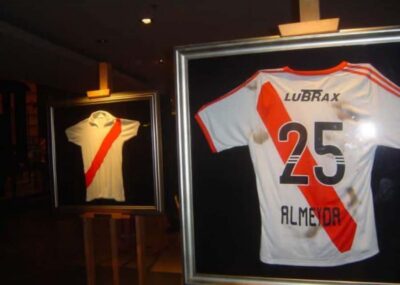
Browse the lists this tour appears in