
Reviewed · HISTORICAL TOURS
Buenos Aires: Historic Buenos Aires Landmarks & Icons Tour
Buenos Aires tells much of its story within a few blocks of Plaza de Mayo. On this 150-minute walking tour, you move from convent and colonial buildings to presidential power, church, government, and public memory, with guide Miguel explaining how the city grew around these landmarks.
I like the compact route and the unusually strong focus on context. I also like the price: at $20 per person, it offers a useful first look at central Buenos Aires without taking up a full day. The main consideration is that the tour is in Spanish, includes a fair amount of walking, and is not suitable for wheelchair users or people with mobility impairments.
In This Review
- Key points to know before you go
- Why Plaza de Mayo is the right place to begin
- Casa Rosada and Argentina’s center of power
- The Garay Monument and Buenos Aires’ second founding
- The Bicentennial Museum and presidential relics
- Buenos Aires Metropolitan Cathedral
- The Cabildo and the colonial city
- Manzana de las Luces and the city’s older foundations
- The buildings beyond the main square
- Miguel’s guiding style and language
- Is two and a half hours enough?
- What the $20 price really gets you
- Who should book this Buenos Aires walking tour?
- Final call: a strong-value introduction to the historic center
- FAQ
- Where does the tour begin?
- How long does the tour last?
- What language is the tour conducted in?
- Is Miguel the tour guide?
- Does the tour include hotel pickup and drop-off?
- Are food and drinks included?
- What should I bring?
- Is the tour suitable for wheelchair users?
- Can I cancel for a full refund?
Key points to know before you go
- Miguel leads the tour in Spanish, and he has adapted his explanations into English for at least one mixed-language group.
- Plaza de Mayo is the meeting point, near the flagpole, so you begin in the city’s main historic square.
- Casa Rosada, the Cabildo, the Cathedral, and the Bicentennial Museum give you four different ways to understand Argentina’s past.
- The route is mostly outdoors, with stops for guided visits and photo breaks rather than long indoor museum sessions.
- The $20 price is strong value if you want an introduction to the historic center and prefer a guide to walking alone.
- Comfortable shoes, water, a hat, and sunscreen matter, especially on a hot or bright day.
Why Plaza de Mayo is the right place to begin
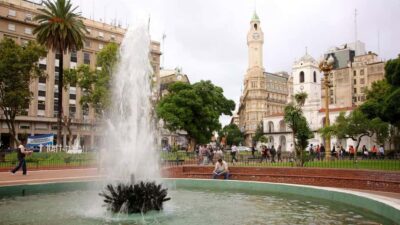
The tour starts near the flagpole in Plaza de Mayo, the natural stage for Buenos Aires’ political and civic life. You are surrounded by buildings tied to the city, the national government, the church, and major public events, so the square gives the rest of the walk a clear framework.
I like starting here because you can understand the city in layers. The square is not just a space for photographs. It helps connect the colonial period, the founding of modern Argentina, presidential power, and the public life of Buenos Aires.
From here, the route reaches several major buildings on foot. There is no hotel pickup or drop-off, and food and drinks are not included, so plan to arrive already prepared for a walking outing.
More history on foot in Buenos Aires:
- Nazis in Buenos Aires: a historical walking tour
★ 4.9 · 193 reviews - San Telmo: Historical Guided Tour with Street Food & Drinks
★ 5.0 · 87 reviews - Buenos Aires: La Boca Art and History Walking Tour
★ 4.8 · 55 reviews
Casa Rosada and Argentina’s center of power
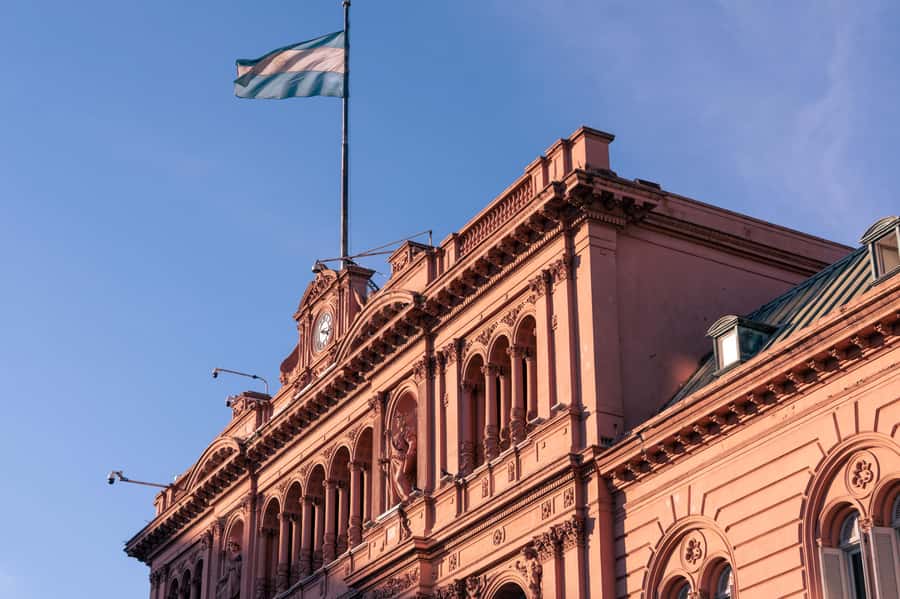
Casa Rosada is the tour’s most instantly recognizable stop. Its pink exterior makes it easy to spot, but the important point is its role as the seat of Argentina’s national executive power.
You receive a guided explanation and a photo stop here, with about 10 minutes listed for the visit. That is enough to take in the facade and place it in the wider story of Plaza de Mayo, but it is not an extended interior tour.
The value of seeing Casa Rosada with a guide is the background. A photograph tells you that the building is grand and pink. Miguel’s commentary helps connect it to the country’s presidents, public ceremonies, and the wider political meaning of the square.
Bring your camera, but listen before moving on. This is one of those stops where the short time works best when you focus on the story rather than trying to inspect every architectural detail.
The Garay Monument and Buenos Aires’ second founding
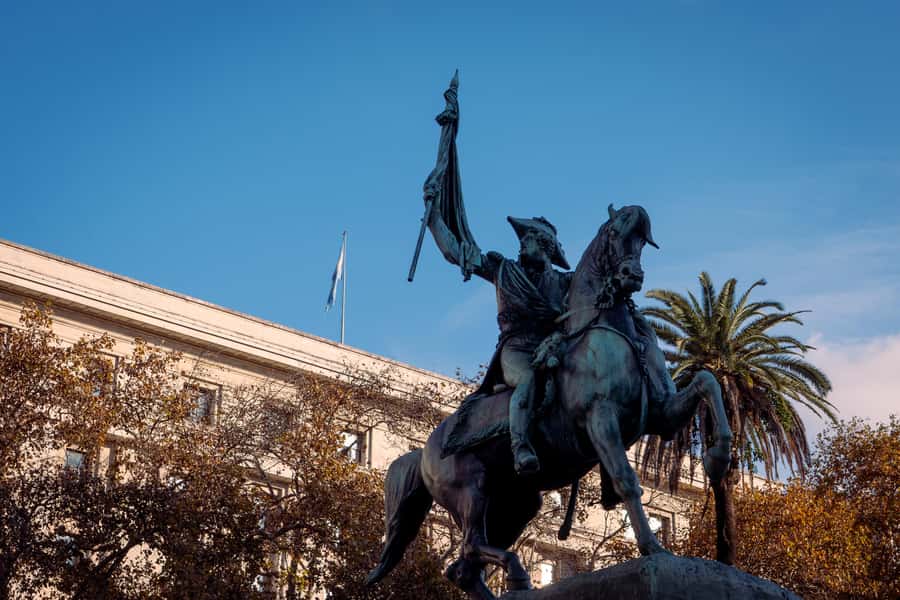
The Monumento a Juan de Garay offers a different angle on the city’s beginnings. The site marks Buenos Aires’ second founding, and the monument gives the guide a natural point for explaining how the settlement developed.
This stop also offers a view toward the historic center. I like that the tour does not treat landmarks as isolated objects. The monument becomes a way to look across the surrounding buildings and understand how the city’s earliest chapters still shape the streets around Plaza de Mayo.
You have about 10 minutes here for photographs and explanation. It is a short stop, but it adds useful context before the tour turns toward museums, churches, and civic buildings.
The Bicentennial Museum and presidential relics
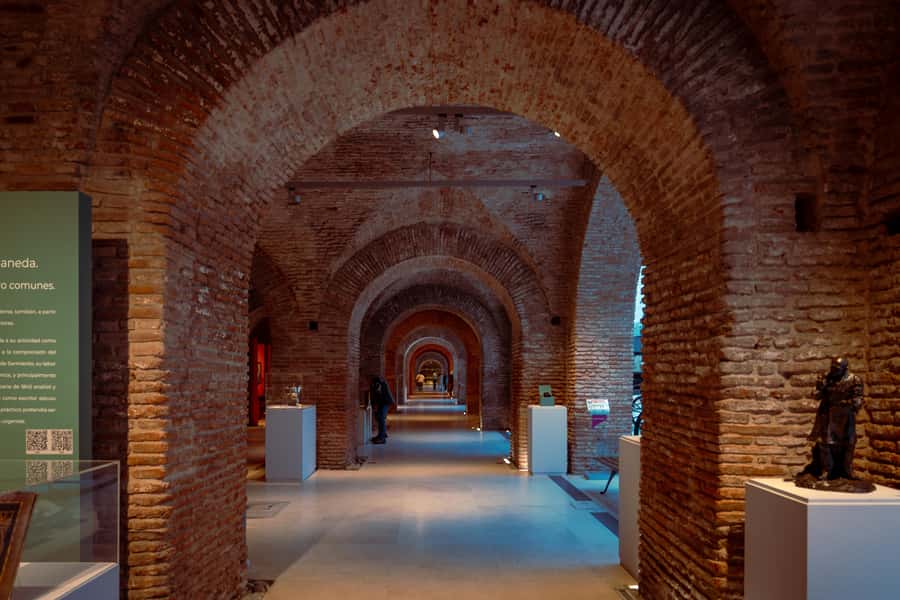
The Museo del Bicentenario is one of the more substantial stops, with about 20 minutes for a visit and guided sightseeing. The museum holds objects connected with past presidents and notable works of art, giving you a more direct look at Argentina’s national story.
This is valuable because the tour is not limited to facades. You get at least one place where objects and artworks help make the political past more tangible. A presidential relic can put a face, date, or personal detail on an era that might otherwise remain abstract.
The museum also balances the outdoor portions of the route. You still move at a brisk pace, but this stop gives you time to look at material from the past rather than only hearing about buildings from the pavement.
The listed timing is fairly short, so expect an introduction to the museum rather than a full museum visit. If you enjoy reading every label at a slow pace, you may want to return later on your own.
A different sort of afternoon, still in Buenos Aires:
- Buenos Aires Hop-On Hop-Off Bus, Free Walking Tours & Discounts
★ 4.5 · 2,218 reviews - Buenos Aires: Piazzolla Tango Show with Optional Dinner
★ 4.4 · 2,122 reviews - Buenos Aires: City Highlights Guided Tour with Transfer
★ 4.7 · 1,946 reviews - Buenos Aires: Hop-On Hop-Off City Bus Tour
★ 4.2 · 1,855 reviews
Buenos Aires Metropolitan Cathedral
The Metropolitan Cathedral is both a religious building and a major part of the city’s central civic setting. The tour allows about 20 minutes for a photo stop, visit, and guided explanation.
This is a useful contrast with Casa Rosada. One represents the national executive, while the Cathedral represents the church’s long place in the city’s public life. You can look at the building’s exterior, enter for the visit, and hear how it fits into the history of the square.
The stop also gives you a chance to slow down. Plaza de Mayo can feel visually crowded with important buildings, so a focused explanation inside the Cathedral helps separate one landmark from another.
Dress for the weather, but remember that this is also a religious site. Comfortable clothing is practical for the walk, while a little consideration in the Cathedral is appropriate.
The Cabildo and the colonial city
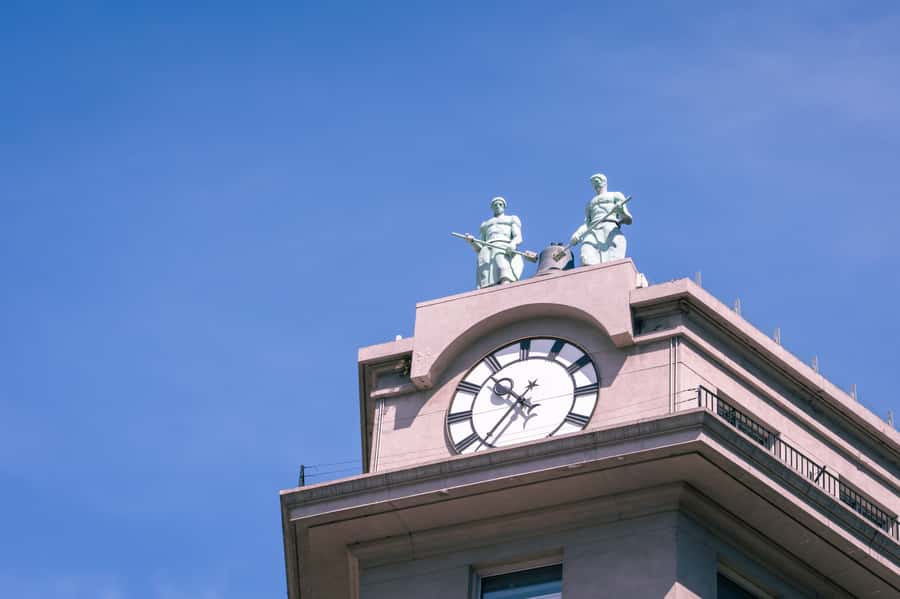
The Cabildo of Buenos Aires is a museum that preserves the story of the city and the nation. With around 20 minutes for a visit, guided tour, and photographs, it gives the route a strong colonial-era stop.
The Cabildo matters because it helps you picture Buenos Aires before the modern government buildings took over the square. Its presence beside the Cathedral and Casa Rosada shows how many periods of the city’s past sit in one compact area.
I would pay close attention here if you want to understand how local administration and national change developed. The building is not simply an old facade. It is part of the civic history that makes Plaza de Mayo more than a pretty public space.
Again, the schedule favors a clear overview. You should not expect to explore every museum room in detail, but you will get enough guidance to decide if the Cabildo deserves a longer return visit.
Manzana de las Luces and the city’s older foundations
Manzana de las Luces, often translated as the Block of Enlightenment, adds another layer to the walk. The stop includes photographs, a visit, and guided sightseeing, with about 20 minutes assigned.
The attraction is especially useful for people who want to see how education, religion, public life, and early urban development shaped Buenos Aires. It feels different from the major square because the focus shifts from national symbols to the older foundations of the city.
This part of the tour rewards curiosity. You may find that the most memorable details are not always the largest buildings, but the less obvious places where the city’s early institutions took form.
The exact pace depends on the group and the guide’s explanation. Since this is a walking tour rather than a long museum program, keep your expectations realistic: you are getting a focused introduction, not an exhaustive architectural survey.
The buildings beyond the main square
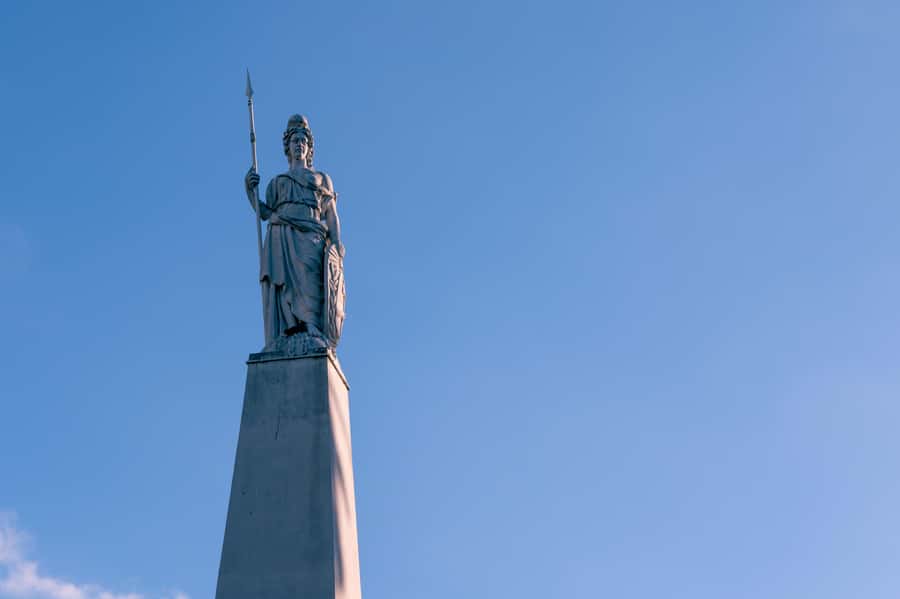
The route also takes in the Central Bank of the Argentine Republic, a building that was formerly the San Ramón Nonato Convent. That change in use is a neat example of how Buenos Aires has built its modern institutions over older religious and colonial foundations.
You also see the Cultural Center, once the grand palace of the post office. This site is linked with Buenos Aires’ second founding and offers a broad view of the historic center. It is a strong place to pause and connect the city’s early beginnings with its later public architecture.
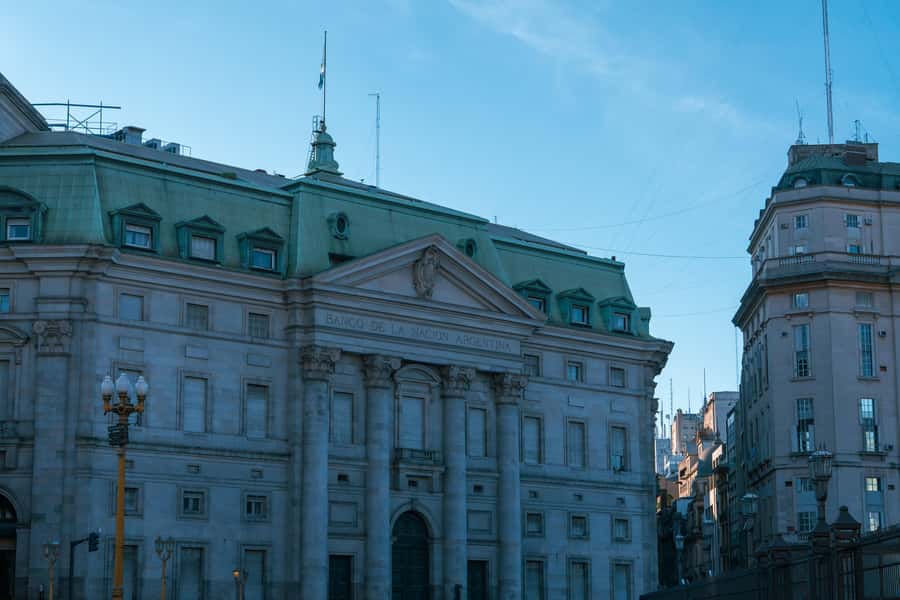
Other notable exteriors include the Bank of the Argentine Nation, the City Legislature, the Ministry of Defense, and the National Customs House. The City Legislature is known for its mix of architectural styles and its tall clock, while the Ministry of Defense is notable for its huge scale and views.
The National Customs House and Comic Strip Plaza are described as part of the concluding portion of the experience. These stops widen the route beyond the most familiar Plaza de Mayo buildings, giving you a little more of central Buenos Aires than a basic Casa Rosada photo walk.
Because the detailed stop list emphasizes Plaza de Mayo, Casa Rosada, the Garay Monument, the Bicentennial Museum, the Cathedral, the Cabildo, and Manzana de las Luces, it is sensible to confirm the precise ending and order when you meet your guide. The overall route is clearly designed around the historic center, but the pace and exact sequence can vary.
Miguel’s guiding style and language
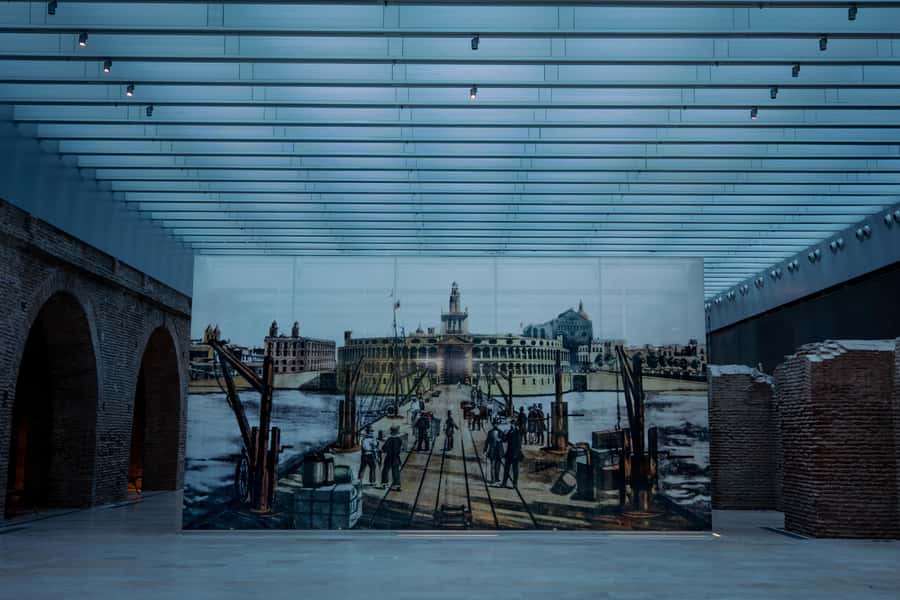
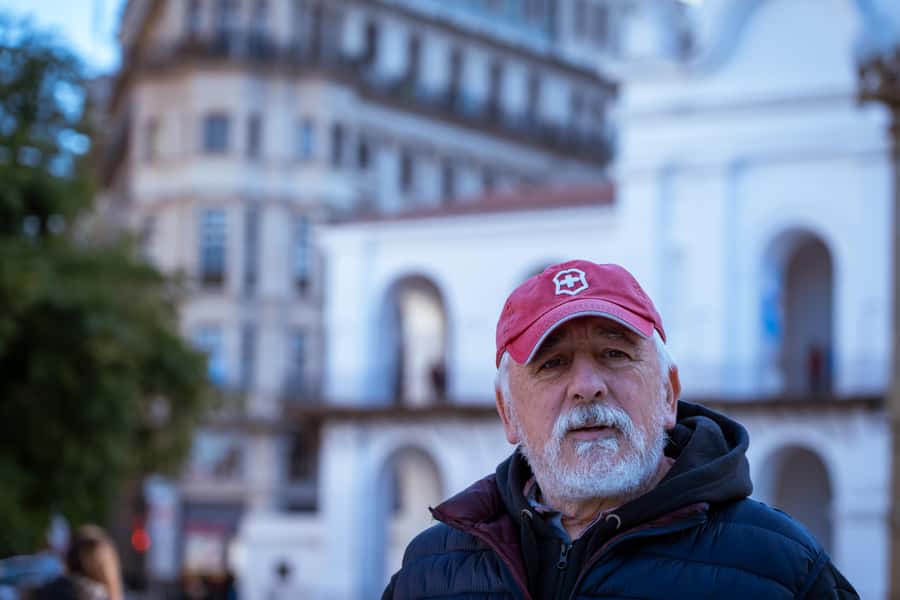
Miguel is the named guide associated with this experience. His strongest quality is his ability to explain history in an engaging, personal way. He has also been described as kind, flexible, and attentive to questions, which matters on a tour with several short stops.
One useful detail for international visitors: Miguel has adapted his explanations for travelers who did not speak much Spanish, and he once conducted the tour in English after a booking error. Still, the official language is Spanish, so you should not book this expecting a guaranteed English tour.
The personal touch can make a big difference here. The route contains plenty of dates, buildings, and political names. A guide who responds to questions and adjusts the pace can turn that information into a conversation rather than a lecture.
There is also a small cultural moment in the form of mate. Miguel has shown participants how to drink it, adding a simple local custom to a tour otherwise centered on architecture and national history.
Is two and a half hours enough?
The advertised duration is 150 minutes. The individual stops listed in the schedule add up to about 120 minutes, leaving roughly half an hour for walking between sites, transitions, and extra explanations.
That timing makes sense for a first look. You will cover a lot of ground, but you will not have time to study every room, read every display, or linger at every viewpoint. I would treat the tour as an orientation to the historic center, then return independently to the places that catch your interest.
The amount of walking is significant. Wear comfortable shoes, carry water, and check the weather before leaving. A hat and sunscreen are wise on sunny days, since much of the experience takes place outdoors.
This is not a good choice if you need step-free access or find long walks difficult. The experience is specifically listed as unsuitable for people with mobility impairments and wheelchair users.
What the $20 price really gets you
At $20 per person, the tour offers good value if you want a live guide and a concentrated introduction to central Buenos Aires. You are paying for interpretation across several major sites, not for transport, meals, or a full entry program at every attraction.
The price is especially attractive for a first day in the city. You can learn the layout of the historic core, identify buildings you want to revisit, and gain enough background to make later sightseeing more meaningful.
The tradeoff is pace. A more expensive private tour might give you longer at each museum or more control over the route, while a self-guided walk costs less but leaves you to assemble the historical links yourself.
Free cancellation up to 24 hours before the start and the option to reserve now and pay later add useful flexibility. Check the available starting times before booking, since the tour lasts 150 minutes and begins at a fixed meeting point.
Who should book this Buenos Aires walking tour?
I would recommend it to first-time visitors who want to understand the historic center quickly. It also suits anyone who prefers stories and local explanation over simply collecting photographs of famous buildings.
History-minded visitors will appreciate the range: convent, post office palace, presidential building, museum, Cathedral, Cabildo, legislature, and customs house. You get several different chapters of Buenos Aires in one compact walk.
It is less suitable for visitors who want an English-language tour guaranteed from the start, a slow museum visit, hotel transportation, or an accessible route. It is also not the best pick for a very hot day if you are not comfortable walking outdoors for several hours.
Final call: a strong-value introduction to the historic center
Book this tour if you want a focused way to meet Buenos Aires’ central landmarks and you are comfortable with Spanish, walking, and a fairly brisk schedule. Miguel’s clear explanations, flexible manner, and local touches add more value than a simple landmark checklist.
Skip it if you need wheelchair access, guaranteed English, or plenty of time inside each attraction. For everyone else, $20 is a sensible price for a guided first look at Plaza de Mayo, Casa Rosada, the Cathedral, Cabildo, Manzana de las Luces, and the surrounding civic buildings.
FAQ
Where does the tour begin?
Meet your guide near the flagpole at Plaza de Mayo.
How long does the tour last?
The tour lasts 150 minutes, or two and a half hours.
What language is the tour conducted in?
The official tour language is Spanish.
Is Miguel the tour guide?
Miguel is the named guide associated with this experience. His tours focus on the history and landmarks of Buenos Aires.
Does the tour include hotel pickup and drop-off?
No. Hotel pickup and drop-off are not included.
Are food and drinks included?
No. Food and drinks are not included.
What should I bring?
Bring comfortable walking shoes, a hat, sunscreen, and water.
Is the tour suitable for wheelchair users?
No. The experience is listed as unsuitable for wheelchair users and people with mobility impairments.
Can I cancel for a full refund?
Yes. You can cancel up to 24 hours in advance for a full refund. You can also reserve now and pay later.
Just added around Buenos Aires
- Unique Tigre and Delta Private Day Cruise Navegation★ 5.0 · 3 reviews
- Buenos Aires: Customizable City Tour in Polish★ 4.7 · 3 reviews
- Velez Sarsfield Football Match★ 5.0 · 3 reviews
- Tango Show at: MichelAngelo★ 4.5 · 3 reviews
- From Colonialism to Eclecticism, Buenos Aires arquitectonica★ 5.0 · 3 reviews
- Enjoy a Rural Experience in a Vineyard near Buenos Aires★ 4.7 · 3 reviews
- Guided tour Boca Juniors Museum & Stadium + Caminito★ 3.3 · 3 reviews
- Buenos Aires: Montserrat, San Telmo, La Boca, and Puerto …★ 5.0 · 3 reviews
Historical Tours, compared.
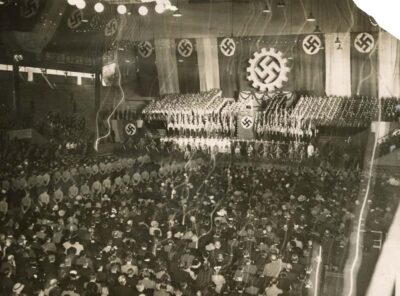
Nazis in Buenos Aires: a historical walking tour
Read our review →
Historical Guided Tour with Street Food & Drinks
Read our review →
Recoleta Cemetery – Small Group Tour of History & Secrets
Read our review →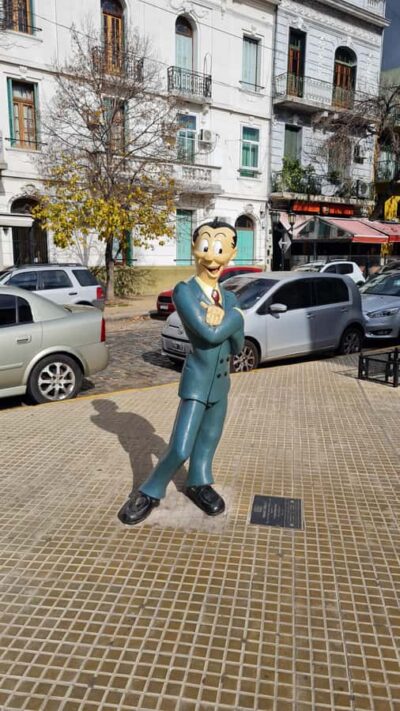
Browse the lists this tour appears in