
Reviewed · BUENOS AIRES WALKING TOURS
Nazis in Buenos Aires: a historical walking tour
Buenos Aires has a difficult question in its past: was Argentina merely a destination for Nazi fugitives after World War II, or did parts of the government knowingly help them arrive? This walking tour tackles that dispute on the streets where the story took shape, using sites such as Luna Park, the former Israeli Embassy, and the café connected with Adolf Eichmann.
I like two things right away. First, Max teaches history at the University of Buenos Aires, and he brings a teacher’s patience to a complicated subject. Second, the tour does not reduce Argentina’s wartime politics to a simple good-versus-bad story. The main consideration is that this is a serious, sometimes painful subject, and the two-and-a-half-hour walk is best for adults and older children who already know the basic outline of World War II.
In This Review
- Key points to know before you book
- Why this Buenos Aires history walk matters
- Starting beside the Juana Azurduy monument
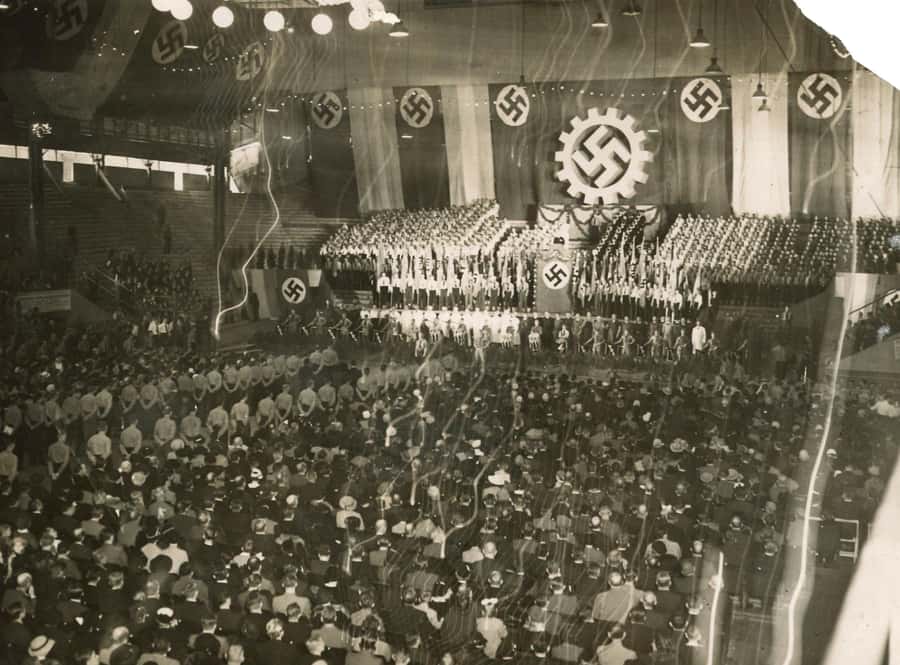
- Luna Park and the scale of Nazi organizing
- ABC Restaurant and the Eichmann story
- Weapons, institutions, and the postwar setting
- Palacio San Martín and the international view
- The Italian Circle and Buenos Aires Jewish life
- The former Israeli Embassy memorial
- What makes Max an effective guide
- Price, pace, and practical comfort
- Who should take this tour
- Should you book the Nazis in Buenos Aires walk?
- FAQ
- How long does the tour last?
- What language is the tour offered in?
- Where does the tour begin?
- Where does the tour finish?
- Is entry to the sites included?
- Is the tour suitable for children or wheelchair users?
Key points to know before you book
- Adolf Eichmann’s Buenos Aires connection: Visit the place where the Nazi war criminal was identified as having sat for coffee, then hear the spy-like story of his capture.
- Luna Park’s 15,000-seat Nazi gathering: See the still-operating stadium linked to a huge pro-Nazi meeting.
- The former Israeli Embassy memorial: Finish at the site of the worst terrorist attack in Latin America, a place that connects wartime history with Argentina’s later Jewish experience.
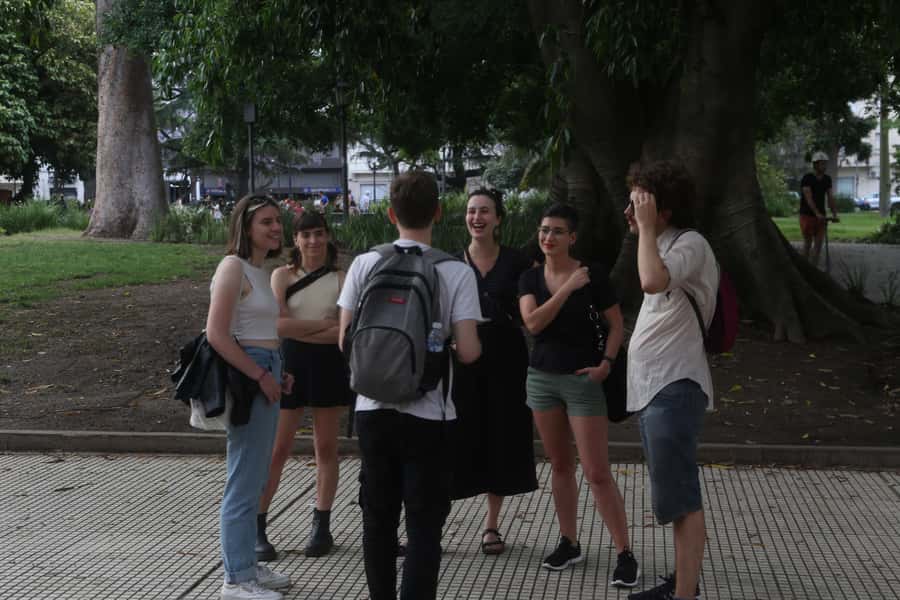
- A history teacher leads the walk: Max presents evidence, images, and competing interpretations in fluent English.
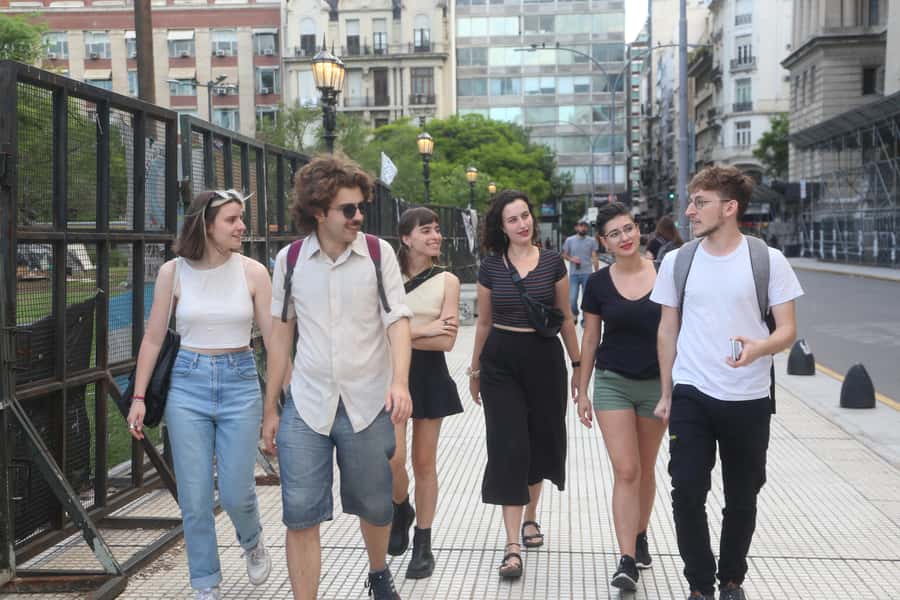
- A useful three-neighborhood route: The walk connects Microcentro, Retiro, and Recoleta, giving the subject a strong sense of place.
- Good value at $25: For a focused 2.5-hour tour with a specialist guide, the cost is modest, though you should bring water and comfortable shoes.
Why this Buenos Aires history walk matters
Many city tours give you grand buildings, famous plazas, and a quick outline of Argentine politics. This one asks you to look again at familiar streets. The subject is not only Nazis who reached South America after 1945. It also includes the Argentine government, Juan Domingo Perón, immigration policy, international pressure, Jewish life in Buenos Aires, and the long shadow of the Holocaust.
I like that the tour treats these as connected questions. You are not simply shown a location and handed a dramatic anecdote. Max builds the story stop by stop, using photographs and other visual material to help you picture events that are no longer visible in the streets.
That approach matters because the physical evidence is often subtle. A theater still operates. A restaurant may look like any other city building. A memorial marks a site that once held an embassy. Without context, you would walk past these places without understanding why they matter.
This is also a tour about historical uncertainty. The question of Argentina’s role in helping Nazi war criminals immigrate after the war remains disputed. Max’s approach, based on the information available about the period, is described as balanced and evidence-based. He is also willing to separate what is established from what remains unclear, a useful habit when the subject attracts myths and sensational claims.
More walking tours in Buenos Aires:
- Buenos Aires Hop-On Hop-Off Bus, Free Walking Tours & Discounts
★ 4.5 · 2,218 reviews - Buenos Aires: La Boca Guided Walking Tour in English
★ 4.8 · 1,587 reviews - Buenos Aires: Personalized 2 to 8-Hour Private Walking Tour
★ 4.7 · 149 reviews
Starting beside the Juana Azurduy monument
The walk begins a few meters from the Monument to Juana Azurduy, near the benches facing Palacio Libertad, formerly known as the CCK. Look for Max wearing a black cap. This is a central starting point, but give yourself enough time to find the exact benches rather than arriving at the monument at the last minute.
The opening is important. Max sets out the basic questions and gives you enough background to follow the later stops. If you have only a general idea of World War II or the Holocaust, you should still be able to follow the tour. Still, a basic understanding of the war, Nazism, and Jewish persecution will help you get more from the discussion.
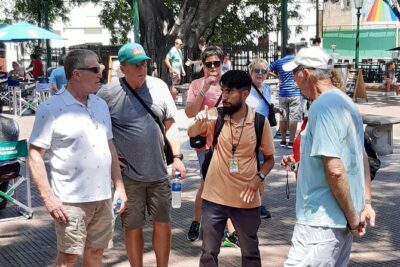
Expect an instructional walk rather than a theatrical performance. Max’s strength is his ability to explain political and historical links clearly, then answer questions from people with different levels of prior knowledge. The tour can feel like a small street-side seminar, but the setting keeps it grounded in real places.
Luna Park and the scale of Nazi organizing
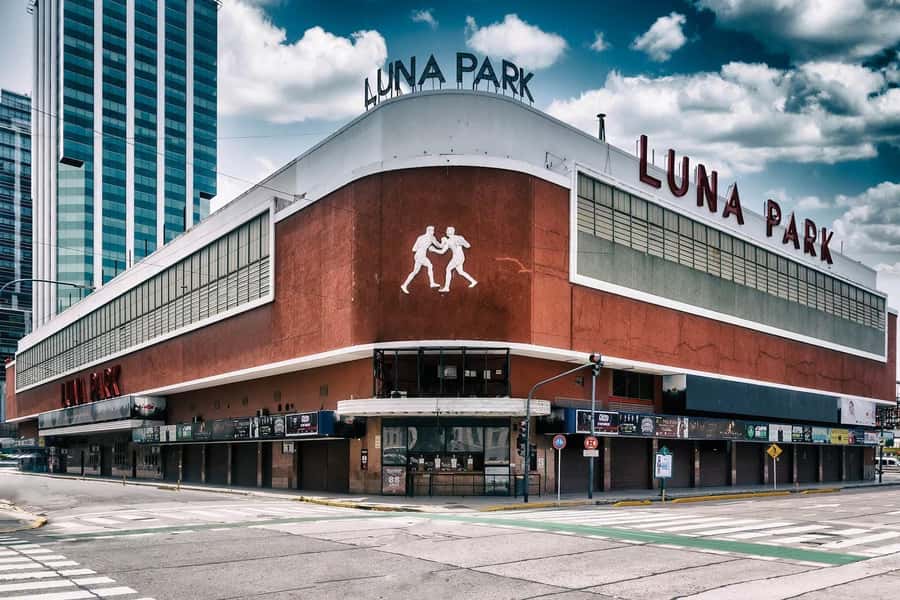
The first major stop is Luna Park Stadium, where you spend about 20 minutes. The key detail here is scale. This is a 15,000-seat venue, and the tour examines its connection with a major Nazi meeting.
That number changes the way you think about the subject. Nazi activity in Argentina was not only a private matter involving a few fugitives living quietly after the war. A meeting in a venue of this size raises questions about public organization, political sympathy, and how visible such ideas could be in Buenos Aires.
Luna Park is still an operating stadium, so you should not expect a museum-style visit or a guaranteed interior tour. The value comes from standing at the site while Max supplies the missing visual and political context. Entry to Luna Park is not included, and the tour information does not promise admission inside.
I find this an effective early stop because it gives the tour a public setting. You begin to see how the discussion reaches beyond individual criminals and into the wider political life of Argentina.
ABC Restaurant and the Eichmann story
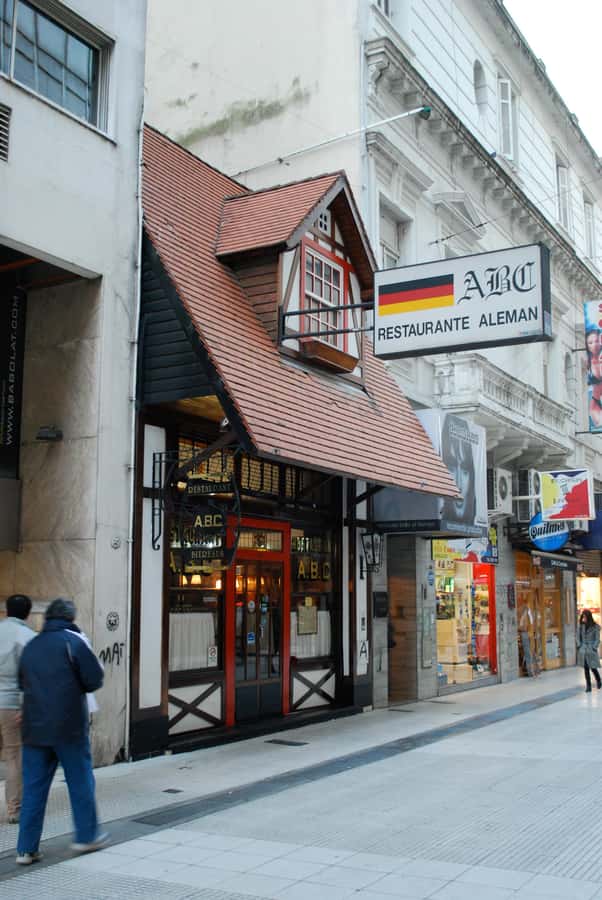
At ABC Restaurant, the tour spends another 20 minutes. This is where you hear about Adolf Eichmann sitting down for a cup of coffee, along with the story of how his identity was pieced together and how he was eventually captured.
The Eichmann episode gives the walk its spy-story element, but the subject is handled as history rather than entertainment. The important point is not simply that Eichmann lived in Argentina. You also examine how he was recognized, how information moved across borders, and how his capture became one of the best-known examples of Nazi fugitives being tracked down after the war.
A location such as a restaurant can make the story surprisingly immediate. Eichmann was not an abstract name in a textbook. He occupied ordinary places in a city, and the tour asks you to picture that uncomfortable fact while keeping the larger historical record in view.
Expect photographs and carefully explained details rather than a long stop for food. The restaurant is part of the historical route, not a meal break. Since the walk includes several sites, the ten-minute restroom pause is the more practical break built into the experience.
More history on foot in Buenos Aires:
- San Telmo: Historical Guided Tour with Street Food & Drinks
★ 5.0 · 87 reviews - Buenos Aires: La Boca Art and History Walking Tour
★ 4.8 · 55 reviews - Recoleta Cemetery – Small Group Tour of History & Secrets
★ 5.0 · 53 reviews - Buenos Aires: Historic Buenos Aires Landmarks & Icons Tour
★ 4.9 · 37 reviews
Weapons, institutions, and the postwar setting
The Museo de Armas de La Nación Tte. Gral. Pablo Riccheri is the next listed stop, with about 20 minutes devoted to it. The supplied information does not promise entry to the museum, so think of this as an exterior location and a point for historical explanation rather than a museum visit included in the $25 price.
This stop helps place the story in a broader national setting. The walk is not limited to fugitives and secret identities. It also asks you to consider Argentina’s institutions, military culture, political currents, and the conditions that shaped the country before and after 1945.
That wider frame is one of the tour’s best features. You may arrive expecting a narrow account of Nazis on the run. Instead, the discussion also covers Argentine history and the presidency of Perón, arguably the most important political figure in the country’s 20th century.
Perón is a complicated figure, and the tour uses him to show why easy explanations can fail. The discussion includes debates about his presidency and the question of whether Nazi migration was known or even encouraged by the Argentine government. You will hear the competing arguments rather than being pushed toward a single slogan.
Palacio San Martín and the international view
At Palacio San Martín, another 20-minute stop connects the local story with international affairs. The building gives the tour a setting for considering Argentina’s position in the world after World War II, including its relationship with Europe, immigration, and the political pressures surrounding Nazi fugitives.
This part of the route is useful because Nazi escape networks did not exist in isolation. The story involved governments, intelligence services, international organizations, and communities trying to rebuild after mass murder. A grand diplomatic setting helps shift your attention from individual villains to the systems that allowed people to cross borders and start new lives.
There is no entry to Casa Rosada or the Libertad Synagogue included in the tour. Those exclusions do not weaken this particular walk, since the experience is built around outdoor sites and explanation, but you should not book it expecting a series of interior visits.
The Italian Circle and Buenos Aires Jewish life
The Italian Circle of Buenos Aires is the final listed stop before the memorial, with about 20 minutes of discussion. Here the route returns to the question of communities, migration, and political identity.
One valuable part of the tour is its attention to the Jewish community in Buenos Aires, described as the second largest in the whole continent. That context keeps the subject from becoming only a story about European criminals arriving in Argentina. It also asks what these migrations meant for people already living in the city and for a Jewish community dealing with the aftermath of the Holocaust.
The location helps broaden the subject again. You are looking at Buenos Aires as a city shaped by European immigration, competing national identities, and political organizations. The Italian Circle is not presented as a single answer to the entire question. Instead, it forms part of a route that shows how many communities and institutions touched Argentina’s wartime and postwar story.
I appreciate that the tour links the past to the present without pretending that every modern issue has a simple origin. The discussion of Jewish Buenos Aires, Perón, and Nazi immigration gives you a better base for understanding the city’s political memory.
The former Israeli Embassy memorial
The walk ends at Plaza Embajada de Israel, the memorial site of the former Israeli Embassy. This is the most solemn stop. The attack there is described as the worst terrorist attack in Latin American history, and the memorial gives the tour a direct connection to the later experience of Argentina’s Jewish community.
The final location changes the emotional weight of the walk. You have spent much of the tour looking backward to World War II and the arrival of Nazi war criminals. Here, the focus moves forward to a later act of terrorism and to the continuing danger faced by Jewish communities.
It is a fitting place to finish because it shows that this is not only a history lesson about distant Europe. The subject reaches into Buenos Aires and into questions of memory, prejudice, political violence, and responsibility today.
The meeting details also describe the activity as ending back at the meeting point, while the main route specifies Plaza Embajada de Israel as the finish. Confirm the exact end point when you book, especially if you have a tight appointment afterward.
What makes Max an effective guide
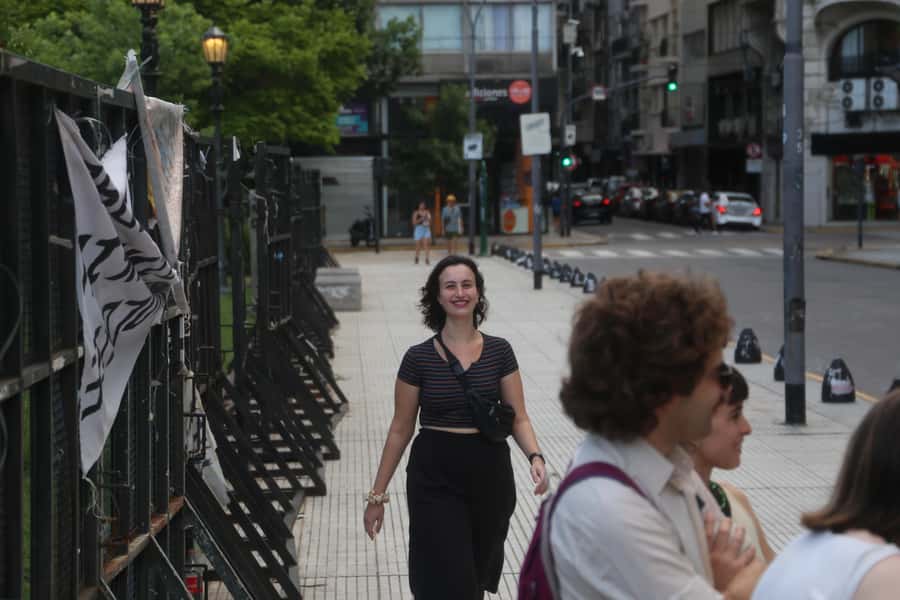
Max is the named guide, and his background as a University of Buenos Aires history teacher shapes the experience. He presents the subject in fluent English, encourages questions, and uses photographs or graphics at several stops.
The strongest quality is his careful handling of evidence. He explains what is known, points out uncertainty, and does not pretend to have an answer when the historical record does not provide one. That is especially valuable here, since the phrase Nazis in Buenos Aires can invite exaggerated stories.
His style also suits mixed groups. You can ask about Nazism, Judaism, World War II, or Argentine politics, and the tour is designed to make room for those questions. People with strong historical knowledge should find enough nuance to stay interested, while newcomers get the background needed to understand the route.
The tone is serious but not stiff. Max is described as friendly, patient, passionate, and able to keep the walk moving. The material is substantial, yet the timing at each stop prevents the experience from becoming one long lecture in a single place.
Price, pace, and practical comfort
At $25 per person, this is a good-value specialist tour. You receive a live English-speaking guide and roughly two-and-a-half hours of focused historical interpretation across several central neighborhoods. Compared with a general city walk, the price is justified by the subject expertise and preparation.
The activity information also describes the included walking tour as two hours, so allow the full 2.5 hours advertised, plus a little extra for finding the meeting place and reaching your next plan. The itinerary lists about 20 minutes at each major stop, with walking time between them and a ten-minute restroom pause.
Wear comfortable shoes and carry water. The route moves through Recoleta, Retiro, and Microcentro, so this is not a good choice if you want a seated presentation or a short stroll. It is not suitable for wheelchair users, and children under 10 are not accepted.
The tour is offered in English. Free cancellation is available up to 24 hours before the start, and you can reserve now and pay later, useful if your Buenos Aires schedule is still shifting.
Who should take this tour
I would choose this walk if you want history with a clear argument and a strong connection to place. It suits people interested in World War II, the Holocaust, intelligence work, Jewish history, Perón, or the political history of Argentina.
It is also a good choice if you have already seen the usual central Buenos Aires sights and want a more unusual route. You will still move through important parts of the city, but the focus is on the stories beneath the buildings rather than on architecture alone.
I would be more cautious if you want a lighthearted introduction to Buenos Aires. The topic includes genocide, terrorism, political extremism, and the painful history of a persecuted community. The guide keeps the discussion accessible, but he does not make the subject easy or cheerful.
Families with older children may find it worthwhile. One 14-year-old participant was able to engage with the material, helped by Max’s ability to answer questions clearly. Children under 10 are not accepted, and the amount of walking may be tiring for anyone who prefers a slower pace.
Should you book the Nazis in Buenos Aires walk?
Book it if you want to understand how Argentina’s postwar story connects with Europe, Nazi fugitives, Perón, Eichmann, and the Jewish community of Buenos Aires. The route is carefully built, the subject is unusual, and Max’s evidence-based teaching gives the walk more substance than a simple series of city anecdotes.
Skip it if you are looking mainly for grand interiors, museum admissions, or a relaxed sightseeing stroll. Most of the value comes from listening, asking questions, and looking at ordinary city locations with new information in mind.
For $25, this is one of the better choices for a history-minded visit to Buenos Aires. Bring water, wear good shoes, allow the full two-and-a-half hours, and arrive ready for a thoughtful discussion rather than a quick tour of famous landmarks.
FAQ
How long does the tour last?
The advertised duration is 2.5 hours. The activity details also describe the included walking tour as two hours, so allow the full two-and-a-half-hour period.
What language is the tour offered in?
The live tour guide conducts the experience in English.
Where does the tour begin?
It begins a few meters from the Monument to Juana Azurduy, by the benches facing Palacio Libertad, formerly known as the CCK. Max wears a black cap.
Where does the tour finish?
The route information gives Plaza Embajada de Israel as the finish, at the memorial site of the former Israeli Embassy. The meeting details also refer to ending back at the meeting point, so confirm the final location when booking.
Is entry to the sites included?
The tour includes the guide and walking tour. Entry to Casa Rosada, Libertad Synagogue, and Luna Park Stadium is not included.
Is the tour suitable for children or wheelchair users?
The activity is not suitable for children under 10 or for wheelchair users. Comfortable shoes and water are recommended, and there is a ten-minute restroom pause.
Just added around Buenos Aires
- Unique Tigre and Delta Private Day Cruise Navegation★ 5.0 · 3 reviews
- Buenos Aires: Customizable City Tour in Polish★ 4.7 · 3 reviews
- Velez Sarsfield Football Match★ 5.0 · 3 reviews
- Tango Show at: MichelAngelo★ 4.5 · 3 reviews
- Enjoy a Rural Experience in a Vineyard near Buenos Aires★ 4.7 · 3 reviews
- Guided tour Boca Juniors Museum & Stadium + Caminito★ 3.3 · 3 reviews
- From Colonialism to Eclecticism, Buenos Aires arquitectonica★ 5.0 · 3 reviews
- Buenos Aires: Private City Tour by Car with Hotel or Pickup★ 5.0 · 3 reviews
Buenos Aires Walking Tours, compared.
Buenos Aires Walking Tour with Local Guide and Optional Rooftop
Read our review →
Full Day Private Walking Tour of Buenos Aires Neighborhoods
Read our review →
Browse the lists this tour appears in