
Reviewed · BUENOS AIRES FOOTBALL TOURS
River Plate Stadium and Museum Guided Tour
River Plate’s Monumental is more than a football ground. With room for about 86,000 spectators, it is the largest stadium in the Americas and a major piece of Argentine sporting life. This private tour takes you from the museum into the stadium, including the tunnel and visitors’ changing room, with a guide explaining how the club grew from modest beginnings into one of Argentina’s most successful teams.
I like the private format, which gives you room to ask questions, and the separate entrance, which can save time. I also like the mix of museum displays and behind-the-scenes areas. The main caution is that stadium access can change for matches, concerts, training, repairs, cleaning, or other events. One booking also reported access trouble and a missing snack, so confirm the details when you arrive.
In This Review
- Key points to know before you go
- Why River Plate’s Monumental matters
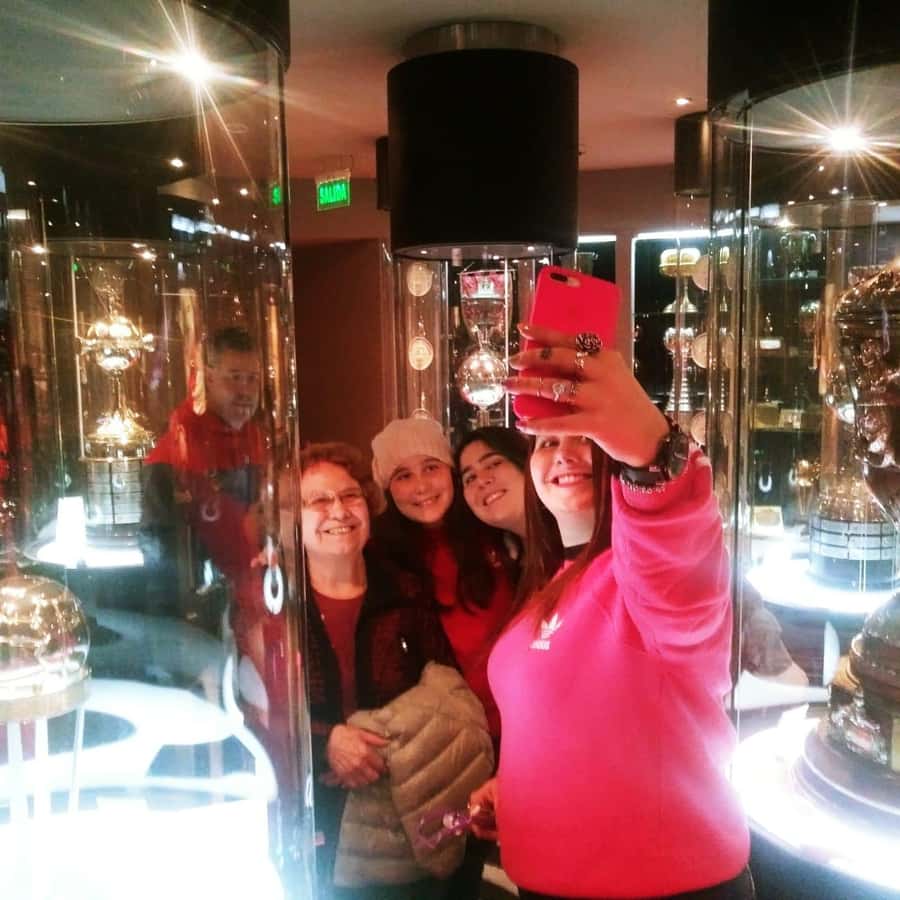
- Starting at the River Plate Museum
- Seeing a stadium built for scale
- The tunnel and visitors’ changing room
- What the private guide adds
- Snack and souvenir details
- Is the $117 price fair?
- Timing, access, and what can change
- Who will enjoy this tour most?
- My booking advice
- FAQ
- Where does the River Plate Stadium and Museum tour begin?
- Is transportation to the stadium included?
- How long does the experience last?
- What areas are included?
- Is the tour private?
- Which languages are available?
- Is the tour wheelchair accessible?
- Is skip-the-line entry included?
- Can the stadium route change?
- What should I bring?
Key points to know before you go
- Monumental holds about 86,000 people: You get a sense of the stadium’s scale before the history lesson even begins.
- The route includes the museum, stadium, tunnel, and visitors’ changing room: It is more than a display-only museum visit.
- The private guide is the main value: Juan received specific praise for making the experience enjoyable and informative.
- River Plate’s story reaches beyond club football: The stadium hosted Argentina’s 1978 World Cup victory.
- The tour takes 2 to 3 hours: Allow enough time for the museum and the stadium sections without rushing.
- Some areas can close or change: Match days, concerts, training, renovation, and cleaning may affect the route.
Why River Plate’s Monumental matters
Argentine football has its famous rivalry between River Plate and Boca Juniors. River supporters call their club El Más Grande, or the greatest, and the claim has plenty of sporting weight behind it.
River Plate has more than 100 years of history and more than 70 titles. Its international record includes four Copa Libertadores, three Recopas Sudamericana, one Interamericana, one Supercopa Sudamericana, one Copa Sudamericana, and a Suruga Bank title.
You do not need to know every competition to enjoy the tour. The useful point is that River Plate is not a small neighborhood club with one famous season. It is one of Argentina’s five major football institutions, with a following that reaches well beyond the country.
The Monumental also matters to Argentina as a whole. The stadium hosted major victories for River Plate and was the site of Argentina’s victory in the 1978 World Cup. That gives the tour two layers: you are seeing River’s home ground, but you are also entering a place tied to one of the biggest moments in Argentine football.
More football days in Buenos Aires:
- Buenos Aires: Tickets to Boca Juniors Museum & Stadium
★ 4.5 · 581 reviews - Soccer Match in Buenos Aires with Transfers and Local Guide
★ 5.0 · 103 reviews - Buenos Aires: Boca Juniors and River Plate Football Tour
★ 4.3 · 82 reviews
Starting at the River Plate Museum
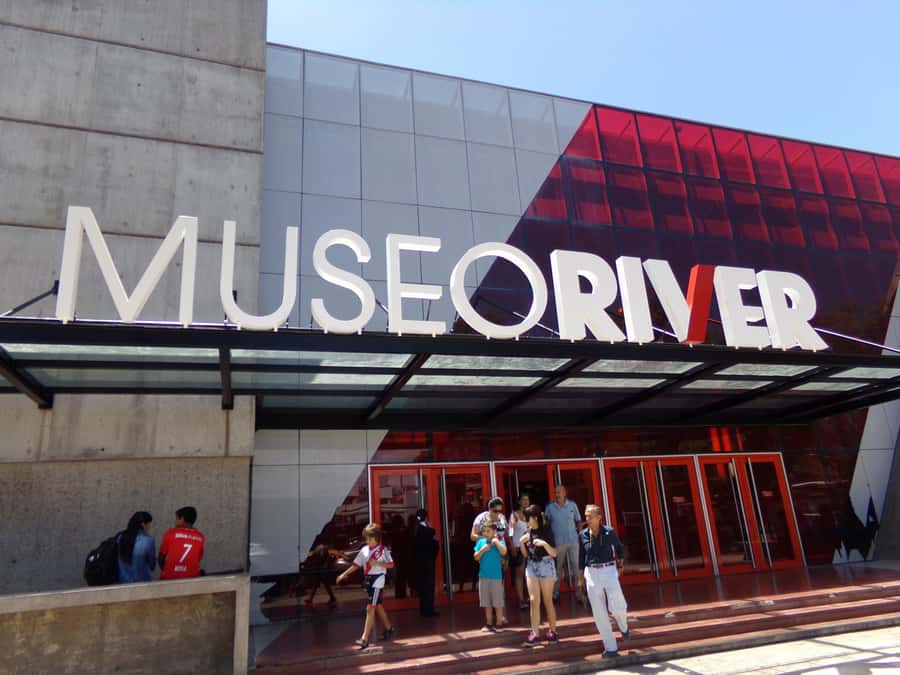
You meet at the main entrance of the River Plate Museum. This is an important detail because no transfer is included. You need to make your own way to the museum in the Núñez neighborhood.
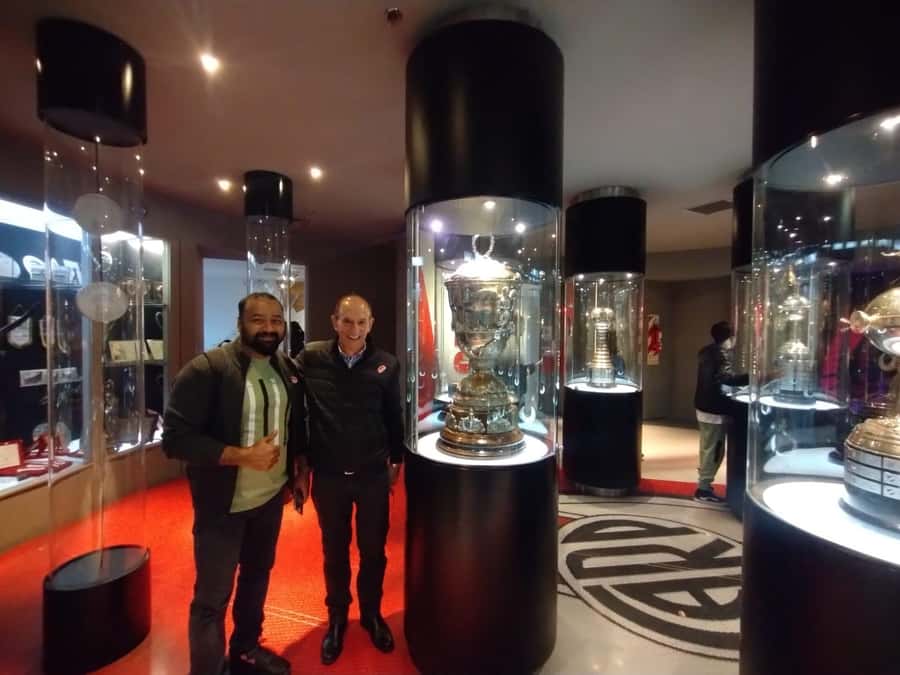
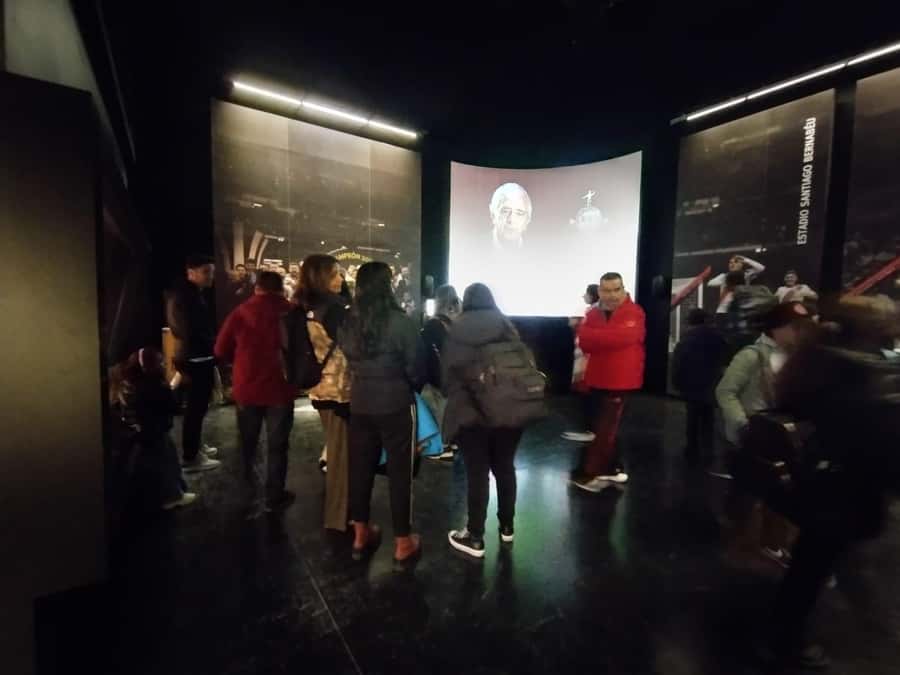
The museum is the natural first stop because it gives the stadium context. A private guide can explain the club’s early years, its growth, its titles, and the figures and events that shaped its identity. The exact order can vary, but expect the museum to set up the story before you move into the stadium itself.
I like this approach better than walking straight into the seating bowl with no background. The trophies and displays mean more when you understand the club’s rivalry with Boca Juniors and its role in Argentine football.
The tour is offered in English, Portuguese, or Spanish. If you want the most personal experience, choose the language in which you can comfortably ask questions. The private group format is especially useful for families or friends with different levels of football interest. One person can ask about club history while another asks about stadium design or major matches.
The museum visit also helps on days when the stadium route is limited. If a match, concert, training session, renovation, or cleaning closes part of the building, the museum still gives you a substantial part of the story.
Seeing a stadium built for scale
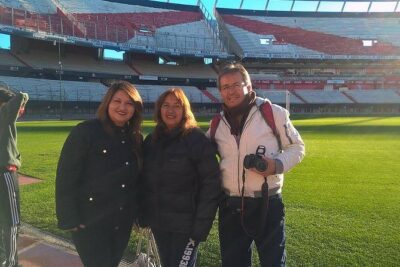
Once you move beyond the museum, the scale of the Monumental becomes the point. About 86,000 spectators can fit inside, making it the largest stadium in the American continent according to the tour information.
That number is easy to skim past, but it changes how you experience the visit. A stadium of this size is designed for huge national and international events, not just weekly club matches. You get a clearer sense of that when your guide connects the building to River Plate’s major victories and Argentina’s 1978 World Cup triumph.
The stadium section is also the reason comfortable shoes matter. You should expect to walk between museum and stadium areas during a 2 to 3 hour visit. Bring sunglasses, a sun hat, and sunscreen, especially if portions of the route are exposed. Biodegradable sunscreen is requested in the preparation information.
The tour does not promise a match-day atmosphere, and you should not book it expecting a live game. Its value is access and explanation: you see the home of one of Argentina’s biggest clubs and learn why the ground matters.
The tunnel and visitors’ changing room
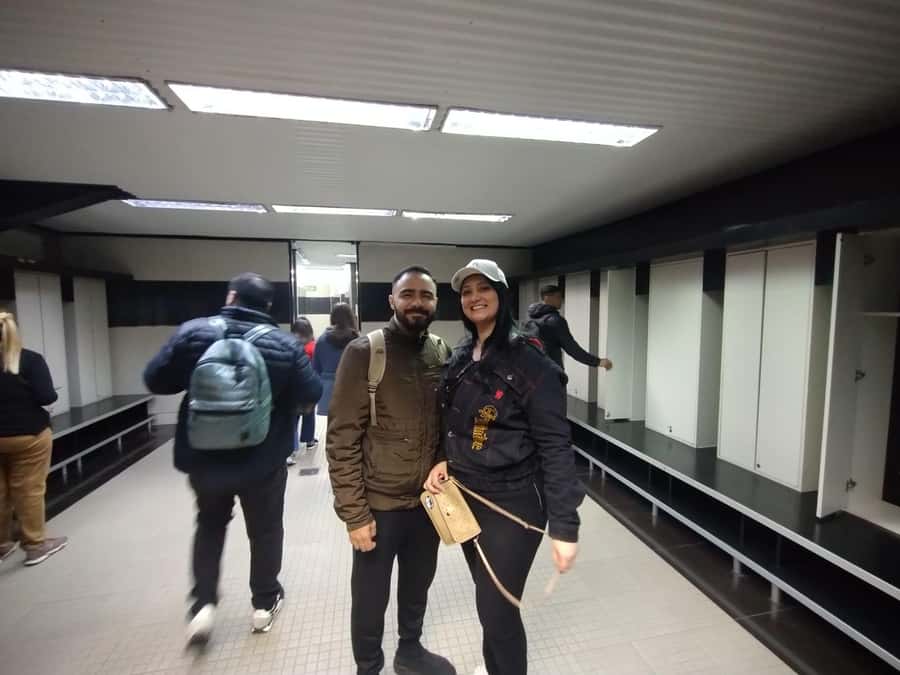
The single tunnel is one of the more appealing parts of the route. It gives you a physical link between the areas used by players and the stadium itself. Even without a match taking place, walking through this passage helps turn football history into something you can picture.
The route also includes the visitors’ changing room. This is not the same as a promise to see every locker-room area or player facility. The stated access is specifically to the visitors’ changing room, so keep your expectations precise.
These areas are where a private guide can add the most value. A guide can explain how the stadium is used and place the spaces within River Plate’s larger story. You can also ask questions that a standard audio guide cannot handle.
Juan is one guide who received especially warm praise for making the tour excellent. The experience offers English, Portuguese, and Spanish, but a particular guide cannot be guaranteed from the details provided. If you have a strong language preference, confirm it before booking or at the meeting point.
Access to the tunnel and changing room may be altered by matches, concerts, training, refurbishment, cleaning, or other stadium operations. That is not a minor footnote. These are working facilities, not a museum frozen in time. The upside is that the building remains active. The downside is that the planned route can change.
More museums and theatres in Buenos Aires:
- Buenos Aires: Teatro Colon Guided Tour
★ 4.3 · 571 reviews - Teatro Colon Guided Tour Admission Ticket
★ 4.0 · 208 reviews - Buenos Aires: River Plate and Boca Juniors Museum Tour
★ 4.5 · 72 reviews - Experience Teatro Colon : Secure your Tour today!!!
★ 4.2 · 66 reviews
What the private guide adds
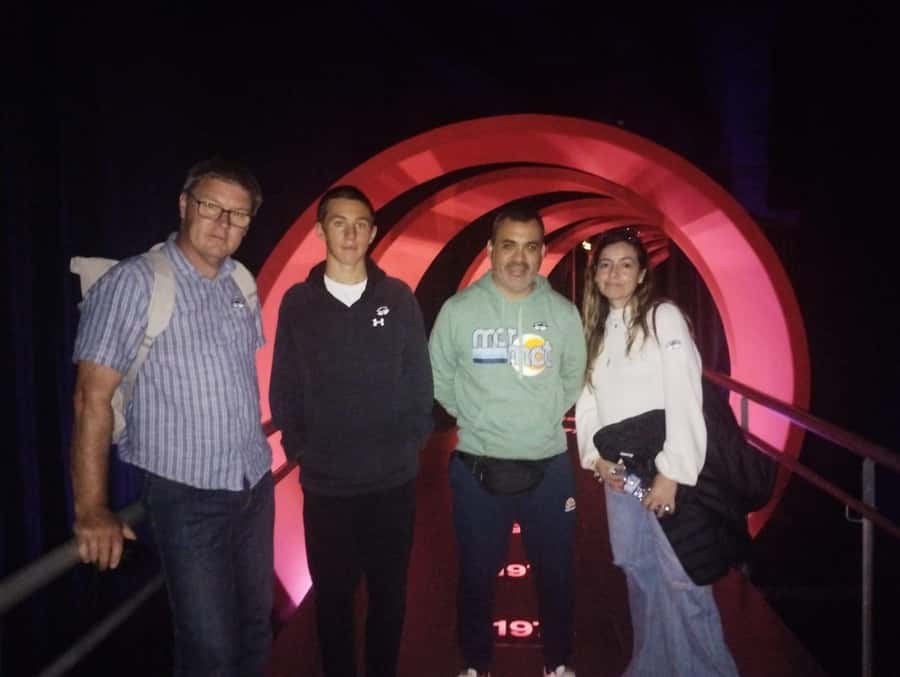
The guide is the heart of this experience. A museum can show shirts, trophies, photographs, and dates, but a person can explain why a victory mattered and how River Plate fits into Argentine life.
You get a private group rather than a large shared party. That can make the 2 to 3 hours feel more flexible, especially if your group wants to linger over certain displays or ask about the River Plate and Boca Juniors rivalry.
The guide also helps bridge language and culture. Football vocabulary can be easy to follow in Spanish if you already know the basics, but club names, tournament titles, and national football history can blur together. An English or Portuguese speaking guide can keep the story clear.
There is one practical point to watch. One booking reported that the promised private service was not delivered as expected, with a guide from the stadium handling the visit instead. The same report mentioned difficulty accessing the site and not receiving the snack. This appears to be an exception rather than the usual pattern, but it is worth confirming who will meet you and what is included when you arrive.
Snack and souvenir details
A snack and souvenir are included. They are small extras, not the reason to pay for the tour, but they add a little comfort and make the visit feel more complete.
Treat the snack as a bonus rather than a meal. The supplied information does not describe its size or type, so do not plan to replace lunch with it. If you have allergies or special dietary needs, no specific accommodation is stated, and you should ask before booking.
The souvenir can be a nice reminder for a River Plate supporter. It may also help justify the tour for a fan who wants something physical to take home, though the details do not specify what the souvenir is.
Because one booking reported not receiving the snack, check the inclusions at the meeting point. A simple confirmation can prevent an avoidable disappointment.
Is the $117 price fair?
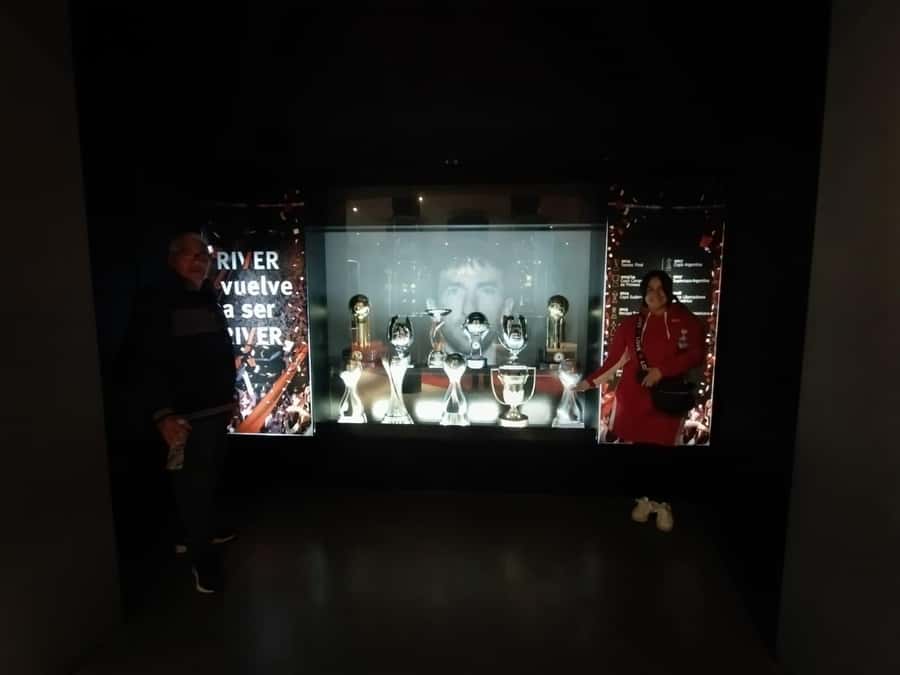
At $117 per person, this is not the cheapest way to see a football museum. The price makes more sense if you value a private guide, separate entrance access, and the chance to visit both the museum and selected stadium areas.
You are paying for more than admission. The package includes museum entry, stadium entry, the single tunnel, visitors’ changing room, a snack, a souvenir, and a private guide in English, Portuguese, or Spanish. The private format is useful if your group wants a tailored pace or has plenty of questions.
The price is harder to justify if you mainly want to look around the museum on your own. In that case, a basic admission option, if available separately, could be better value. This particular experience is aimed at people who want the setting explained and who care about going behind the public displays.
The duration also matters. Two to three hours is a reasonable block for a museum and stadium visit. One person described the tour as a little short but still good. That suggests you should not expect a full-day football program. It is a focused half-day activity, with enough time for the main stops but not endless access to every part of the stadium.
Timing, access, and what can change
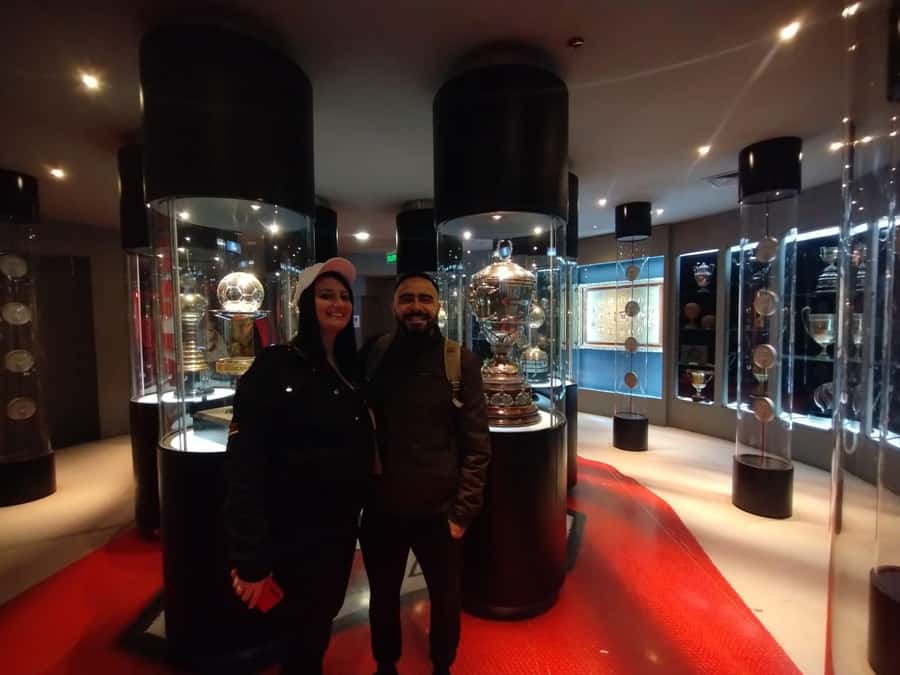
The meeting point is the main entrance of the River Plate Museum. Transfers in and out are not included, so transport to Núñez is your responsibility.
A separate entrance is provided for skip-the-line access. That can be useful when the stadium is busy, but it does not guarantee access to every area. Operational needs take priority. Matches, concerts, training, renovations, refurbishment, and cleaning can change or limit the route.
The activity is wheelchair accessible according to the booking information. If you use a wheelchair or have specific mobility needs, confirm the current route because stadium operations can affect which areas are open.
Bring your passport or another ID card, comfortable shoes, sunglasses, a sun hat, and sunscreen. Alcohol and drugs are not allowed. The request for biodegradable sunscreen is worth noting if you are packing for several outdoor activities in Argentina.
Free cancellation is available up to 24 hours before the scheduled visit for a full refund. You can also reserve now and pay later, which helps if your Buenos Aires plans are still shifting.
Who will enjoy this tour most?
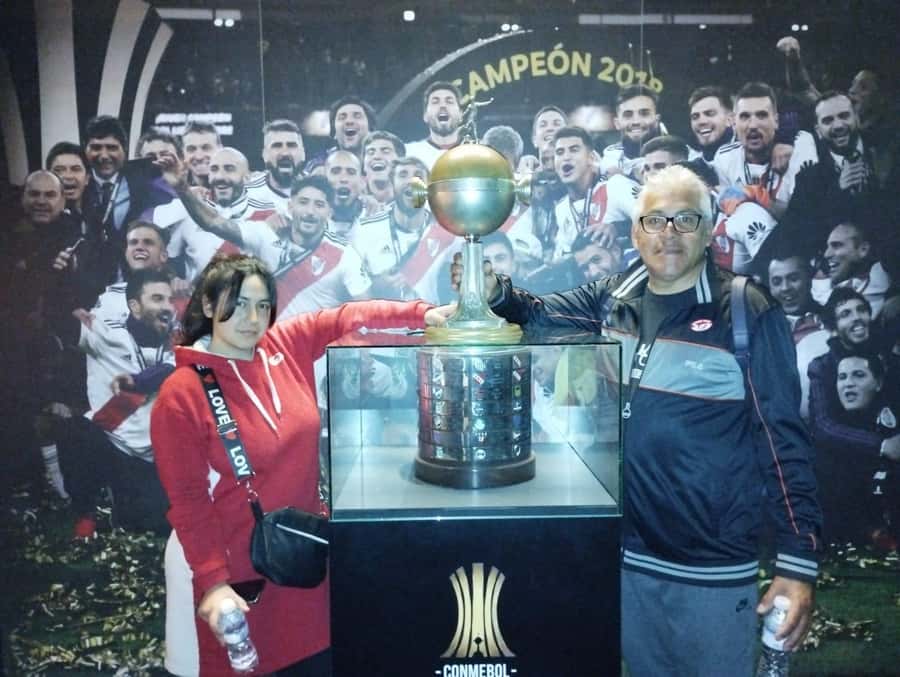
This is a strong choice for River Plate supporters, football fans, and anyone interested in how sport shapes national identity. The 1978 World Cup connection gives the visit wider appeal, even if you do not follow club football closely.
It also suits visitors who prefer a private experience over a large group. Families, couples, and small friend groups can ask questions without waiting for a crowd to move along.
The tour is less suitable if you need a guaranteed full stadium route. The tunnel and visitors’ changing room may be affected by events and maintenance. It is also not the best pick if you only have a short gap in Buenos Aires, since you should allow 2 to 3 hours plus your own transport time.
The experience can work for both serious fans and curious beginners. A serious fan will recognize the club’s major titles and rivalry. A beginner gets a clear introduction to River Plate and the place it holds in Argentina.
My booking advice
I would book this tour if you want the Monumental explained by a private guide and you care about seeing more than the museum. The separate entrance, multilingual guiding, tunnel, visitors’ changing room, snack, and souvenir give the package useful extras.
I would pause before booking if your main goal is guaranteed access to every stadium area. The route can change, and one booking had trouble with access and did not receive the snack. Confirm the meeting arrangement, guide language, and included extras when you arrive.
For River Plate fans, the $117 price can be reasonable because the stadium is central to the club’s identity and to Argentina’s 1978 World Cup story. For casual sightseers, the value depends on how much you want personal explanation. If that matters to you, this private 2 to 3 hour visit is a sensible way to see El Monumental.
FAQ
Where does the River Plate Stadium and Museum tour begin?
The meeting point is the main entrance of the River Plate Museum in the Núñez neighborhood.
Is transportation to the stadium included?
No. Transfers in and out are not included, so you must arrange your own transportation to and from the museum.
How long does the experience last?
The tour lasts approximately 2 to 3 hours.
What areas are included?
The package includes entrance to the museum and stadium, the single tunnel, and the visitors’ changing room.
Is the tour private?
Yes. The activity is arranged for a private group.
Which languages are available?
Live guiding is available in English, Portuguese, and Spanish.
Is the tour wheelchair accessible?
Yes. The activity information states that it is wheelchair accessible.
Is skip-the-line entry included?
Yes. Skip-the-line service is provided through a separate entrance.
Can the stadium route change?
Yes. Access to the stadium, tunnel, and changing rooms may change because of matches, concerts, training sessions, renovations, refurbishment, cleaning, or other operations.
What should I bring?
Bring your passport or ID card, comfortable shoes, sunglasses, a sun hat, and sunscreen. Biodegradable sunscreen is recommended, and alcohol and drugs are not allowed.
Just added around Buenos Aires
- Unique Tigre and Delta Private Day Cruise Navegation★ 5.0 · 3 reviews
- Buenos Aires: Customizable City Tour in Polish★ 4.7 · 3 reviews
- Velez Sarsfield Football Match★ 5.0 · 3 reviews
- Tango Show at: MichelAngelo★ 4.5 · 3 reviews
- From Colonialism to Eclecticism, Buenos Aires arquitectonica★ 5.0 · 3 reviews
- Enjoy a Rural Experience in a Vineyard near Buenos Aires★ 4.7 · 3 reviews
- Guided tour Boca Juniors Museum & Stadium + Caminito★ 3.3 · 3 reviews
- Buenos Aires: Private City Tour by Car with Hotel or Pickup★ 5.0 · 3 reviews
Buenos Aires Football Tours, compared.

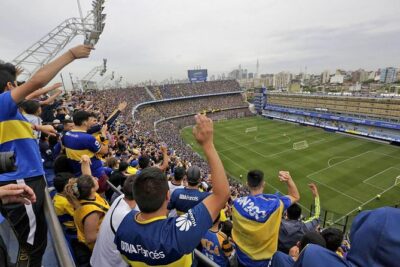
Soccer Match in Buenos Aires with Transfers and Local Guide
Read our review →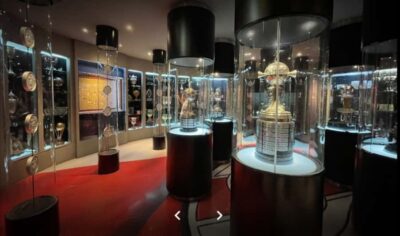
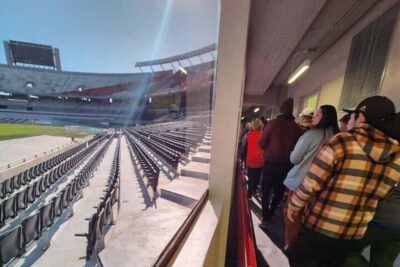
River Plate Monumental Stadium and Museum Guided Tour
Read our review →
Boca Juniors Game at La Bombonera with Local & Transport
Read our review →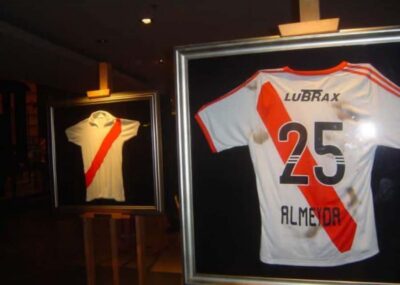
Browse the lists this tour appears in