
Reviewed · BUENOS AIRES WINE TASTINGS
Wine Tasting in Buenos Aires
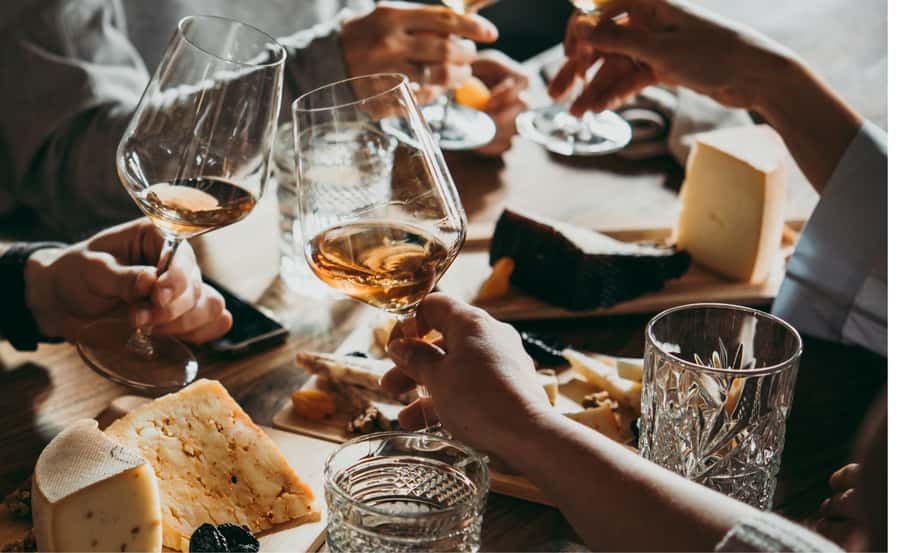
Argentina’s wine country arrives at the table in a quick, well-paired tasting. You sample bottles from Salta, Patagonia, Mendoza, and Entre Ríos, or focus on labels from Catena Zapata, with Argentine bites between pours. The regional menu gives you a broad look at the country in a single sitting.
I like the food pairings, especially the traditional empanada, cold cuts, selected cheeses, and bruschetta. I also like the choice between a tour of Argentina’s wine regions and a Catena Zapata-focused menu. The main drawback is the short one-hour format. The tasting can feel rushed if you want detailed explanations, and the published details differ on whether you receive three or four glasses, so confirm that before paying.
In This Review
- Key points at a glance
- What this Buenos Aires wine tasting actually offers
- Federal menu: four regions in four pours
- Coquena Torrontés from Salta with bruschetta
- Primogénito Noir from Patagonia with selected cheeses
- Gouguenheim Reserva Malbec from Tupungato with cold cuts
- Julepe Tannat from Entre Ríos with an empanada
- Catena Zapata Clásico: a focused winery menu
- Saint Felicien Chardonnay with bruschetta
- Nicasia Cabernet Franc with cheeses
- DV Catena Cabernet Malbec with cold cuts
- DV Catena Syrah Syrah with an empanada
- How much food and wine do you receive?
- Is $60 a fair price for one hour?
- The pace, guide, and group atmosphere
- Getting there and planning the return
- Who should book this experience?
- Should you book the Buenos Aires wine tasting?
- FAQ
- How long does the wine tasting last?
- How many wines are included?
- Which food pairings are included?
- Can I choose between different wine menus?
- Is transportation included?
- Is the tasting available in English?
Key points at a glance
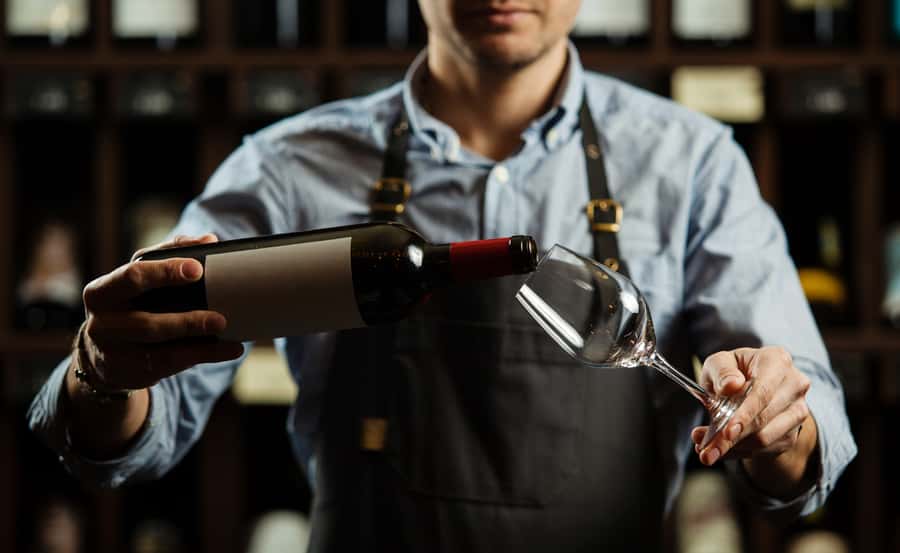
- Four regional wines: The Federal menu moves from Salta Torrontés to Patagonia Pinot Noir, Mendoza Malbec, and Entre Ríos Tannat.
- A Catena Zapata option: The second menu focuses on Saint Felicien, Nicasia, and DV Catena wines.
- Food is part of the experience: Expect bruschetta, selected cheeses, cold cuts, and a traditional Argentine empanada.
- One hour means brisk pacing: This is a compact introduction, not a long cellar visit or a full wine course.
- Private-feeling setting: The tasting may take place in a bar or shop and may not be a large group event.
- Plan your return: Transfers are not included, and one evening visitor found the area outside the bar uncomfortable for walking alone after dark.
What this Buenos Aires wine tasting actually offers
This is a sit-down tasting built around Argentine wine and small food pairings. An English or Spanish-speaking guide leads the session, but no guide names are provided, and the amount of explanation may depend on the person handling your tasting.
The experience is described as lasting one hour. That makes it easy to fit into a busy Buenos Aires day. You can schedule it before dinner, after sightseeing, or as a short afternoon stop. The tradeoff is simple: you get a countrywide sample in little time, but you should not expect a leisurely sommelier class.
The venue is subject to availability and may change. It is described as a bar or shop, and one person found the location easy to find with a friendly atmosphere. The setting is not necessarily a formal winery or grand tasting room. That can be a plus if you prefer an informal drink among local products, but it also means the atmosphere may vary from one booking to the next.
The tasting is for people over 18. Babies and children under 18 are not suitable for this activity.
More Malbec worth sitting down for:
- Buenos Aires: Wine Tasting and Lunch at Bodega Gamboa
★ 4.8 · 177 reviews - Premium Argentinian Wines and Malbec Tasting Experience
★ 4.6 · 60 reviews - Sailing with Wine Tasting in Buenos Aires
★ 5.0 · 50 reviews
Federal menu: four regions in four pours
The Federal Tasting Menu is the better choice if you want a quick survey of Argentine wine. It links each glass to a different part of the country, which gives the tasting a clear sense of place.
Coquena Torrontés from Salta with bruschetta
The opening wine is Coquena Torrontés from Salta, served with Bruschetta Serrana. Torrontés is one of Argentina’s signature white grapes, and starting with it gives you a useful contrast to the darker wines that follow.
Salta sits in northern Argentina, and this first glass sets up the idea that Argentine wine is not one single style. The bruschetta offers a crisp, savory beginning rather than a heavy first course. Since the tasting is short, this pairing helps you settle into the format quickly.
If you are new to Argentine wine, pay attention to how the white wine differs from the reds later in the meal. The guide may explain those differences in English or Spanish, but the amount of detail is not guaranteed.
Primogénito Noir from Patagonia with selected cheeses
Next comes Primogénito Noir from Patagonia with selected cheeses. The menu calls this wine Primogénito Noir, and it is identified with Patagonia. This is the point where the tasting moves from a northern white to a lighter red paired with dairy.
The cheese course gives you time to compare the wine with a richer, saltier food. I find this sort of pairing useful because it shows how a wine changes with what you eat, not just how it tastes by itself.
The selected cheeses are not individually listed, so you should not expect a named cheese-by-cheese lesson. You can expect a shared accompaniment designed to work with the wine.
More Buenos Aires wine worth an afternoon:
- Buenos Aires: Palacio Barolo Guided Night Tour with Wine
★ 4.4 · 54 reviews - Discover Argentine Wines Paired with Delicious Tapas
★ 5.0 · 51 reviews - Premium Empanadas Cooking Class & Wine Tasting Experience
★ 4.9 · 35 reviews - Buenos Aires: Small-Group Wine Tasting
★ 4.8 · 18 reviews
Gouguenheim Reserva Malbec from Tupungato with cold cuts
The third Federal wine is Gouguenheim Reserva Malbec from Tupungato in Mendoza, served with assorted cold cuts. This is likely to be the most familiar pairing for people who already associate Argentina with Malbec.
Mendoza is Argentina’s best-known wine region internationally, while Tupungato is a specific area within Mendoza. That regional detail matters. You are not just tasting an anonymous Malbec from Argentina, but a bottle connected to one of Mendoza’s noted wine areas.
The cold cuts bring salt and savory weight to the flight. This is also a practical point in the meal: the food becomes more substantial as the wines become darker and fuller. If you want a broad taste of Argentina, this pairing is one of the central moments of the Federal menu.
Julepe Tannat from Entre Ríos with an empanada
The final wine is Julepe Tannat from Entre Ríos, paired with a traditional Argentine empanada. This is an unusual way to finish because Tannat is often associated with Uruguay, yet the menu uses an Entre Ríos wine to show another Argentine region.
The empanada is the most distinctly local food on the menu. It also makes the tasting feel more like a small Argentine meal than a line of isolated wine samples. If you are choosing the Federal menu, this last pairing gives the experience a strong finish.
The menu is at its best as a geographic sampler. You get a white, a lighter red, Malbec, and Tannat, with food that changes from bruschetta to cheese, cold cuts, and empanada.
Catena Zapata Clásico: a focused winery menu
The Catena Zapata Clásico menu takes a different approach. Instead of moving through four regions and several labels, it centers the tasting on wines connected with one of Argentina’s most recognized wineries.
You still receive the same broad pattern of food pairings: Bruschetta Serrana, selected cheeses, assorted cold cuts, and a traditional empanada. The difference is in the bottles.
Saint Felicien Chardonnay with bruschetta
The tasting begins with Saint Felicien Chardonnay and Bruschetta Serrana. Chardonnay gives you a familiar international grape, while the Argentine label keeps the focus on local production.
This is a sensible first pairing because the bruschetta is lighter than the cold cuts or empanada. It starts the meal gently and gives you a white wine against which the red wines can be judged.
Nicasia Cabernet Franc with cheeses
The second wine is Nicasia Cabernet Franc, served with selected cheeses. Cabernet Franc can offer a different profile from the more expected Malbec, making this a useful choice if you already know Argentina mainly through its flagship red.
Again, the cheeses act as a bridge between the wine and the next course. The pairing is less about filling you up and more about showing how texture and salt can change your impression of a red wine.
DV Catena Cabernet Malbec with cold cuts
The third glass is DV Catena Cabernet Malbec, matched with assorted cold cuts. This blend brings two grapes together, giving you a direct point of comparison with the single-variety wines in the tasting.
The cold cuts are a practical match for this part of the menu. They add enough food to keep the experience from feeling like an empty-stomach flight, though the total serving should be viewed as accompaniment rather than a full lunch or dinner.
DV Catena Syrah Syrah with an empanada
The final wine is DV Catena Syrah Syrah, served with a traditional empanada. Ending with a Syrah-based wine and the most substantial food item gives the Catena menu the same satisfying progression as the Federal menu.
Choose this option if you are more interested in comparing labels from one major producer. Choose the Federal option if regional variety matters more to you.
How much food and wine do you receive?
The included food is more generous in variety than the one-hour duration might suggest. You receive Bruschetta Serrana, selected cheeses, assorted cold cuts, and a traditional empanada. These are harmonized with the wines rather than offered as unrelated snacks.
The wording creates an important point to check. One section says the experience includes a tasting of three glasses, while the two listed menus each name four wines, and the included section also lists four wines. I would ask the provider to confirm the actual number of pours before booking. That single question can affect the value of a $60 experience.
Other drinks are not included. The food options are also limited to the listed pairings, so you should not expect extra dishes or alternative beverages as part of the standard price.
If you have allergies or dietary restrictions, notify the provider in advance. The information does not promise a replacement menu, so ask what can be changed rather than assuming an alternative will be available.
Is $60 a fair price for one hour?
At $60 per person, this is not a bargain tasting if you judge it only by time. One hour passes quickly, and the experience may feel expensive to someone who wants a long explanation, generous pours, or a complete meal.
The price makes more sense if you value the structure. You are not simply ordering one glass of Malbec. You receive a planned sequence of Argentine wines, food pairings, and guidance in English or Spanish. The Federal menu in particular gives you four regional references without needing transport outside Buenos Aires.
The Catena menu may appeal more to brand-focused wine drinkers, while the Federal menu offers more geographic range. Before booking, compare the experience with what you could order at a Buenos Aires restaurant for the same money. One person felt the cost did not match the very fast pace and suggested that ordering a good wine at a restaurant might offer better value.
My advice is to book this for the guided comparison, not for quantity. If your aim is simply to drink a good Argentine wine with dinner, a restaurant could be the stronger choice. If you want several labels and structured pairings in one short sitting, the price is easier to justify.
The pace, guide, and group atmosphere
The one-hour schedule is both the strength and weakness of the tasting. It is efficient. You can sample a broad selection and still have most of your day free. It is also tight, especially if you want the guide to explain grape varieties, regions, producers, and food matches.
The guide speaks English or Spanish. No individual guide is named, so the quality of the commentary may vary. One person found the guide friendly but wanted more information about the wines. I would arrive ready with a few questions, especially about the difference between Mendoza Malbec and the other reds, or why Tannat appears in the Entre Ríos menu.
Do not assume this is a large social event. The format may feel individual rather than group-based. One evening booking had only three people in the bar, with two separate tastings taking place. That can be pleasant if you want a quiet setting, but disappointing if you hoped to meet a large group.
The bar or shop itself may be worth a little extra browsing time if the schedule allows. Still, the tasting is not described as a formal tour of the premises, and the venue may change.
Getting there and planning the return
No transfer is included, so you must arrange your own way to the venue. The location is in Buenos Aires Province, and the exact tasting place is subject to availability. Check the confirmed address before setting out, especially if you are planning dinner or another timed activity afterward.
One person found the location easy to find. That is encouraging, but it does not remove the need to plan your return. An evening visitor felt uncomfortable walking alone outside the bar after dark, particularly as a woman. I would arrange a taxi or ride service for the trip back rather than relying on a long walk after the tasting.
Bring a credit card and cash. The activity information specifically recommends both, although it does not state that either is required for a particular payment.
You can reserve now and pay later, which helps if your schedule is still shifting. Cancellation terms need careful checking because the supplied details are not fully consistent: one section says a full refund is available up to 48 hours before, with a partial refund between 24 and 48 hours, while another says cancellation up to 24 hours before receives a full refund. Confirm the current policy at checkout.
Who should book this experience?
I would recommend it to a wine-curious visitor who wants an easy introduction to Argentine labels and does not want to spend half a day outside the city. It also suits someone who likes food pairing and wants a traditional empanada alongside the wine rather than a tasting made up of drinks alone.
The Federal menu is best for first-time visitors to Argentine wine. It gives you the widest regional spread and the clearest sense of Argentina as a large wine-producing country.
The Catena Zapata menu is better for someone who wants a more focused producer comparison. It includes recognizable labels and several grape varieties, but it offers less regional range.
I would hesitate to recommend it to a serious wine student seeking technical detail. The format may be too fast, the guide may not provide enough background, and the number of pours needs confirmation. I would also steer away from it if you want a full meal, a large social group, included transport, or a relaxed evening walk afterward.
Should you book the Buenos Aires wine tasting?
Book it if you want four named Argentine wines, local food pairings, and a compact format that fits neatly into a city visit. The Federal menu offers the most interesting route for most people, moving from Salta through Patagonia and Mendoza to Entre Ríos.
Skip it if $60 feels high for one hour or if you prefer to choose a bottle slowly at a restaurant. Before paying, confirm the number of glasses, the final venue, the cancellation rule, and the available food substitutions. With those details settled, this can be a useful first taste of Argentine wine, provided you treat it as a brisk sampler rather than a full wine seminar.
FAQ
How long does the wine tasting last?
The stated duration is one hour. Starting times depend on availability.
How many wines are included?
The two menu descriptions each name four wines, and the included section lists four wines. Another part of the information says three glasses are included, so confirm the exact number of pours before booking.
Which food pairings are included?
The tasting includes Bruschetta Serrana, selected cheeses, assorted cold cuts, and a traditional Argentine empanada.
Can I choose between different wine menus?
Yes. You can choose the Federal Tasting Menu, which covers wines from several Argentine regions, or the Catena Zapata Clásico menu, which focuses on wines from that producer.
Is transportation included?
No. Transfers are not included, so you must arrange your own transportation to and from the venue.
Is the tasting available in English?
Yes. The activity offers a live guide in English or Spanish. The tasting is only for people over 18, and you should report allergies or dietary restrictions in advance.
More Food Tours in Buenos Aires
- Buenos Aires: 9-Course Argentine Meat Tasting at Fogón Asado
★ 4.9 · 826 reviews - Buenos Aires: Local Foodie Adventure with Sherpa Food Tours
★ 4.9 · 670 reviews - Buenos Aires Food Tour: Local Dishes, Steak, Empanada & More
★ 5.0 · 118 reviews - San Telmo: Historical Guided Tour with Street Food & Drinks
★ 5.0 · 87 reviews
Just added around Buenos Aires
- Unique Tigre and Delta Private Day Cruise Navegation★ 5.0 · 3 reviews
- Buenos Aires: Customizable City Tour in Polish★ 4.7 · 3 reviews
- Tango Show at: MichelAngelo★ 4.5 · 3 reviews
- Velez Sarsfield Football Match★ 5.0 · 3 reviews
- From Colonialism to Eclecticism, Buenos Aires arquitectonica★ 5.0 · 3 reviews
- Guided tour Boca Juniors Museum & Stadium + Caminito★ 3.3 · 3 reviews
- Enjoy a Rural Experience in a Vineyard near Buenos Aires★ 4.7 · 3 reviews
- Buenos Aires: Montserrat, San Telmo, La Boca, and Puerto …★ 5.0 · 3 reviews
Buenos Aires Wine Tastings, compared.

Premium Argentinian Wines and Malbec Tasting Experience
Read our review →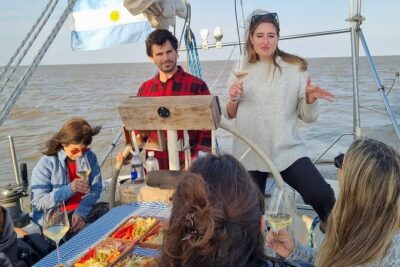
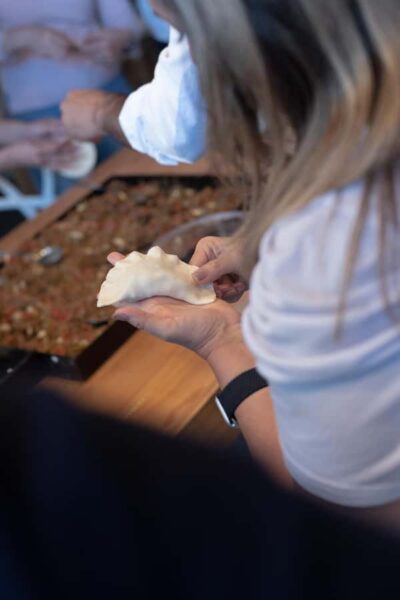
Premium Empanadas Cooking Class & Wine Tasting Experience
Read our review →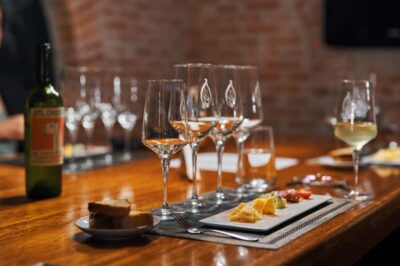
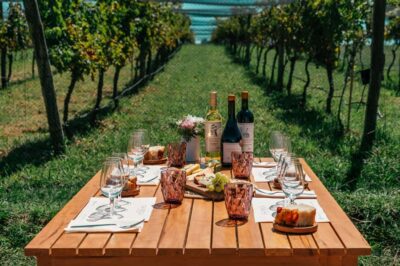

Premium Argentinian Wine and Malbec Tasting & Urban Art Tour
Read our review →
Browse the lists this tour appears in