
Reviewed · RECOLETA CEMETERY TOURS
Buenos Aires: Chacarita, The Largest Cemetery In Argentina
Chacarita Cemetery is more than a place of burial. It is an open-air record of Argentine culture, with ornate mausoleums, quiet chapels, national monuments, and the final resting places of tango stars, actors, poets, musicians, and athletes. I especially like the stops at Carlos Gardel’s tomb and Gustavo Cerati’s mausoleum, two very different musical icons who still matter deeply in Argentina.
I also like the small group of six or fewer and the personal approach of guide Miguel, who speaks Spanish slowly and patiently when needed. The main drawback is practical: this is a long walking tour through a cemetery complex, with uneven access and little appeal for anyone who dislikes solemn places or cannot walk comfortably.
In This Review
- Key points to know before you go
- Why Chacarita Cemetery is worth your afternoon
- Meeting Miguel at the cemetery entrance
- Carlos Gardel, the voice of tango
- Jorge Newbery and the public figures of Chacarita
- Gustavo Cerati and Argentina’s modern music memory
- Gilda, Pugliese, and the emotional side of popular culture
- The chapel and Panteón VI
- The British and German cemeteries
- Elcano Park and the final part of the walk
- How the $20 price measures up
- Who should book this Chacarita walk
- Practical details before booking
- Should you book it?
- FAQ
- Where does the Chacarita Cemetery tour begin?
- How long does the tour last?
- How much does the tour cost?
- Which language is the tour conducted in?
- How many people can join the group?
- Which famous tombs are visited?
- Does the tour visit cemeteries besides Chacarita?
- What should I bring?
- Is the tour suitable for wheelchair users or people with mobility impairments?
Key points to know before you go
- Carlos Gardel’s tomb: Visit the resting place of Argentina’s defining tango voice.
- Gustavo Cerati and Gilda: See memorials connected to two major figures in modern Argentine popular music.
- British and German burial grounds: Compare different religious, national, and architectural traditions.
- Small group format: The tour is limited to six people, allowing room for questions and a calmer pace.
- Spanish with Miguel: The guide is praised for patience, clear explanations, and a strong connection to Buenos Aires.
- Three hours on foot: Bring water, sunscreen, a hat, and comfortable shoes, and expect a 10-minute restroom pause.
Why Chacarita Cemetery is worth your afternoon
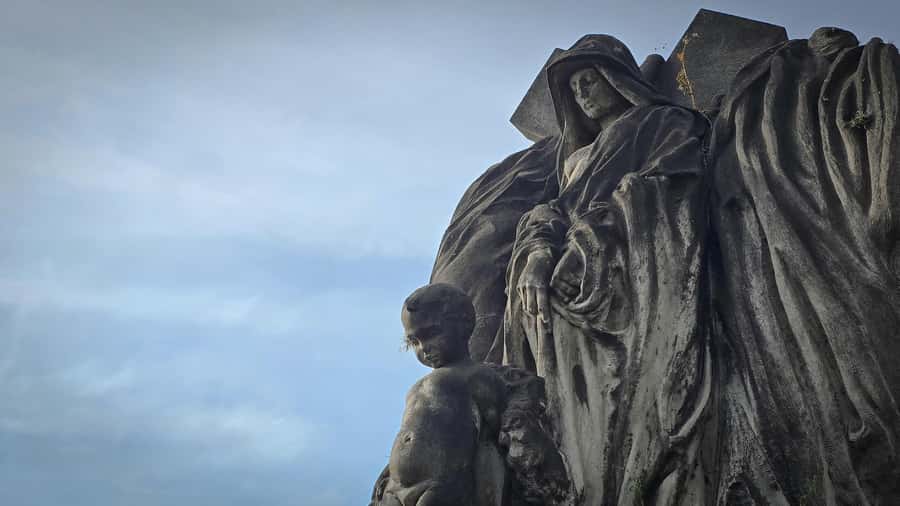
Buenos Aires is famous for Recoleta Cemetery, but Chacarita offers a different experience. It is Argentina’s largest cemetery, and its scale gives the visit a broader view of the country’s public life. Instead of seeing only grand family tombs, you move among memorials linked to tango, cinema, poetry, radio, popular music, sport, and politics.
That variety is the real reason to book this walk. You are not simply looking at stone buildings and reading names. You are connecting familiar cultural figures with the city that shaped them. A tomb becomes a doorway into Argentine customs, artistic movements, and the way national celebrities are remembered.
The three-hour duration gives the guide enough time to explain the people behind the names. At the same time, the tour is not designed as an all-day historical lecture. Each listed stop receives roughly 10 to 30 minutes, so you get a focused look at important places without spending half an hour at every mausoleum.
The experience is offered in Spanish, which matters. If you understand Spanish, you can expect the most natural version of the tour. If you are learning the language, Miguel has shown patience with people who need slower speech, making this a useful cultural activity as well as a sightseeing walk.
More Recoleta walks:
- Buenos Aires: La Recoleta Cemetery Guided Tour in English
★ 4.8 · 1,359 reviews - Buenos Aires Bike Tour: North Districts, Recoleta and Palermo
★ 4.5 · 91 reviews - Recoleta Cemetery – Small Group Tour of History & Secrets
★ 5.0 · 53 reviews
Meeting Miguel at the cemetery entrance
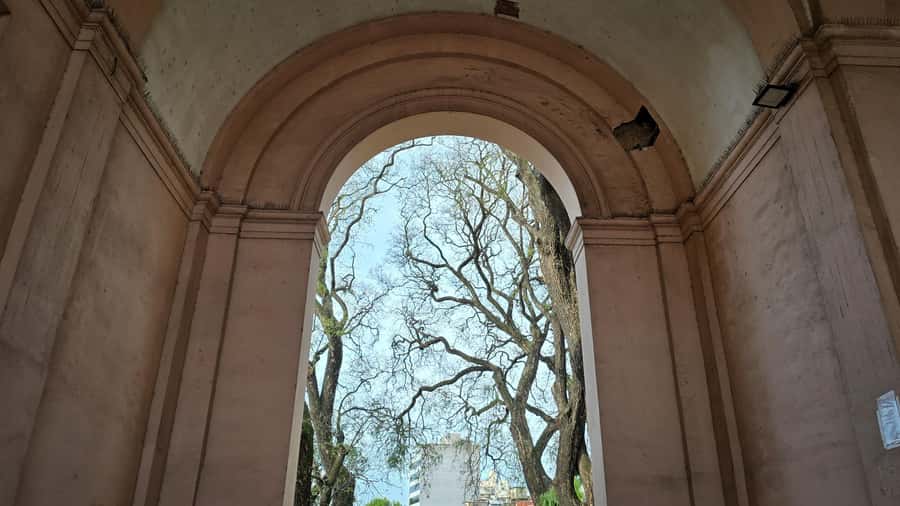
You meet at the main door to Chacarita Cemetery. That keeps the start simple, but you should arrive with the entrance clearly identified and ready to begin on foot. The tour does not include transportation between stops.
The group is limited to six participants. I consider that a major advantage here. Cemeteries reward quiet conversation, and a small group lets you ask about a family name, architectural detail, or cultural figure without trying to catch a guide’s voice across a crowd.
Miguel’s style is an important part of the experience. He has been praised for his patience, personal attention, and enthusiasm for Buenos Aires. One useful detail is his flexibility with Spanish learners. He can speak slowly, so you do not need perfect Spanish to get value from the visit, though you should still expect the tour to be conducted in Spanish rather than English.
The walk includes a 10-minute pause for the restroom. Bring your own water, since the supplied details do not list refreshments. A hat and sunscreen are sensible, and comfortable walking shoes are essential. The tour is not suitable for wheelchair users or people with mobility impairments, so check your own comfort level before booking.
Carlos Gardel, the voice of tango
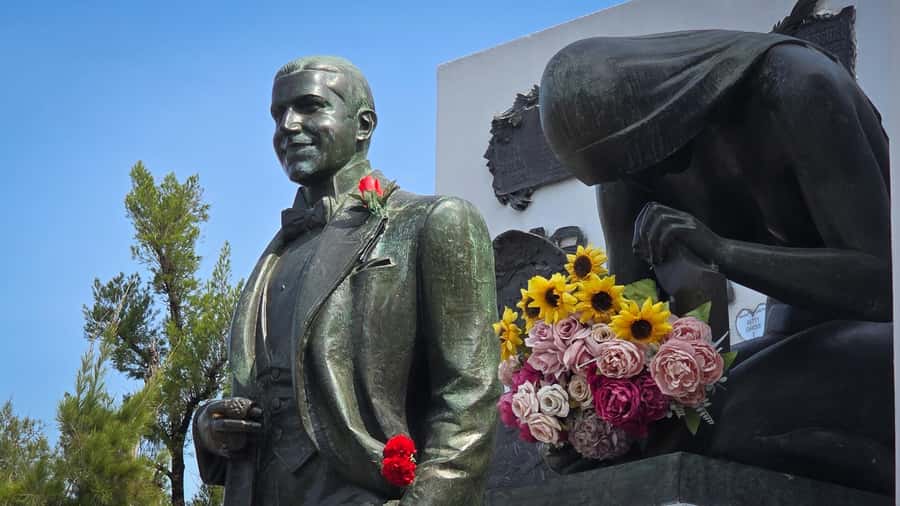
One of the clearest highlights is the mausoleum of Carlos Gardel. Gardel is not simply another famous singer in an Argentine cemetery. His voice helped define tango for audiences in Argentina and far beyond, and his name remains tied to Buenos Aires culture.
The stop works best when you already know a little about tango, but you do not need to be an expert. The guide can place Gardel within the larger story of Argentine music and explain why his burial place attracts such lasting attention. The visit is scheduled for about 10 minutes, enough time for an explanation and photographs without turning the moment into a rushed photo stop.
I like that this tour treats Gardel as part of a larger cultural route rather than making him the entire reason for visiting. Chacarita also brings you to musicians and performers from later generations, showing how Argentine popular culture changed over time.
Jorge Newbery and the public figures of Chacarita

The mausoleum of Jorge Newbery is another early stop. The route also includes the mausoleum of María Salomé Loredo de Subiza, giving you a chance to see how different memorials express the identity of the people remembered there.
The details supplied for these figures are limited, so the value of the stop depends heavily on Miguel’s explanations. That is not a weakness in itself. It means you should think of the tour as a guided interpretation of the cemetery, not a self-guided list of famous graves.
A guide can point out how memorial spaces differ in size, decoration, and religious character. Even when you do not recognize a name, the architecture and personal symbols can make the stop worthwhile. The planned 10-minute visits keep this part moving toward the better-known music and cultural sites.
A different sort of afternoon, still in Buenos Aires:
- Buenos Aires Hop-On Hop-Off Bus, Free Walking Tours & Discounts
★ 4.5 · 2,218 reviews - Buenos Aires: Piazzolla Tango Show with Optional Dinner
★ 4.4 · 2,122 reviews - Buenos Aires: City Highlights Guided Tour with Transfer
★ 4.7 · 1,946 reviews - Buenos Aires: Hop-On Hop-Off City Bus Tour
★ 4.2 · 1,855 reviews
Gustavo Cerati and Argentina’s modern music memory
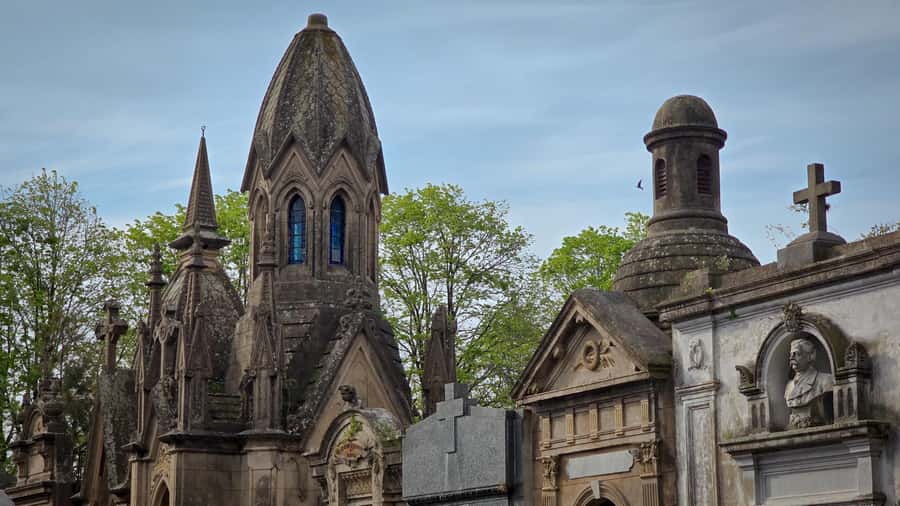
The Gustavo Cerati mausoleum is one of the strongest reasons for younger music fans to choose this route. Cerati was a major figure in Argentine rock, and his memorial brings the cemetery’s story into the modern era.
The tour allows about 15 minutes here. That is enough time for context and a respectful visit, especially if Cerati or Soda Stereo is important to you. It also helps balance the Gardel stop. Gardel represents classic tango and an older Buenos Aires, while Cerati connects the cemetery to the country’s later rock culture.
This contrast is one of the route’s best features. You are not being asked to admire one narrow slice of Argentine history. You are moving across generations, from tango and cinema to contemporary music.
Gilda, Pugliese, and the emotional side of popular culture
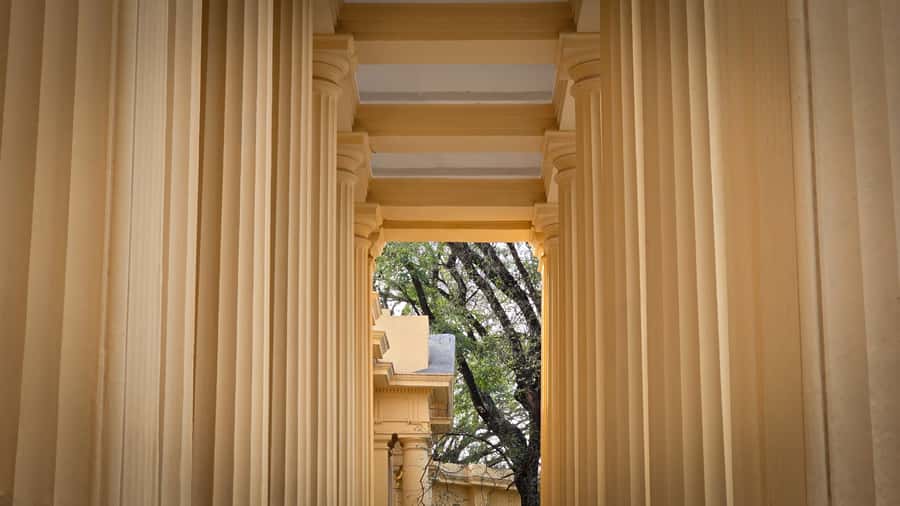
The stop at Gilda’s grave adds another layer. Gilda was a beloved Argentine singer, and her place in popular memory differs from that of a formal cultural institution or a celebrated composer. A visit here can help you see how strongly music and personal devotion overlap in Argentina.
The route also includes Osvaldo Pugliese, one of the country’s leading tango composers and orchestra directors, even though his mausoleum is not listed as a separate timed stop. Alfonsina Storni, the noted poet, is also part of the people remembered along the route.
These names give the experience emotional range. You encounter performers who made people laugh, cry, dance, and think. Luis Sandrini, a legendary actor, represents the world of Argentine cinema and comedy, while Storni brings poetry and literary history into the picture.
The guide’s role is especially useful here because the importance of a grave is not always obvious from the stonework. A short explanation can tell you why a particular person still matters, even if you have never heard the name before.
The chapel and Panteón VI
The chapel at Chacarita receives about 10 minutes. This is a good point to slow down and consider the cemetery as a religious and architectural place, not only as a collection of celebrity memorials.
You can expect the guide to discuss the chapel’s role within the cemetery and draw attention to its design. The information provided does not specify the interior details, so it is best to approach this as a guided visit rather than expect a fixed list of architectural features.
Panteón VI receives the longest stop, about 30 minutes. That extra time suggests an important part of the route, and it gives Miguel room to explain the monument, its history, and the notable people associated with it. The name alone is not enough to tell you what you will see, so this is one place where questions are welcome.
A longer stop can also feel more reflective. Rather than taking a quick photograph and moving on, you have time to look at the structure and understand how collective memorials differ from individual tombs.
The British and German cemeteries
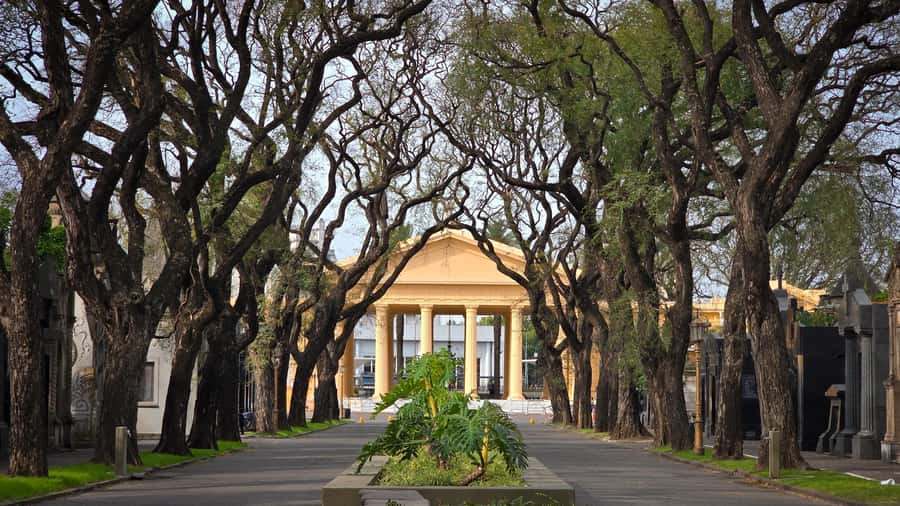
The tour then expands beyond Chacarita Cemetery to the Commonwealth War Graves Buenos Aires and the German Cemetery. This is where the experience becomes more than a celebrity-grave walk.
The Commonwealth War Graves stop lasts around 15 minutes. It introduces a formal memorial tradition connected to British and Commonwealth military remembrance. The setting provides a clear contrast with the individualized mausoleums associated with Argentine performers and artists.
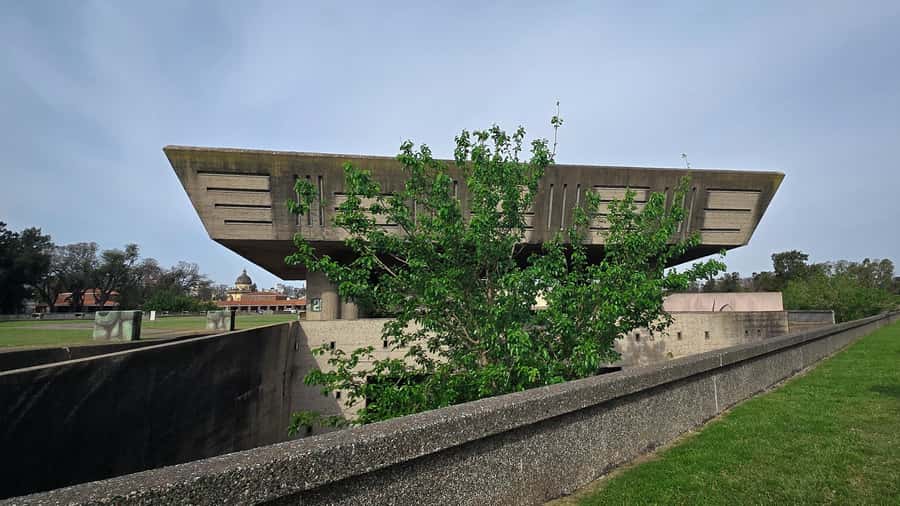
The German Cemetery follows with about 15 minutes of guided sightseeing. Here you can compare another national and religious tradition, including its distinctive style and temple structures. The supplied information identifies religious temples, unique styles, national monuments, and notable people as part of this section, though it does not list every person or building by name.
I like this comparison because it gives the tour a wider frame. You are not only asking who is buried in Buenos Aires. You are also seeing how different communities created places to honor the dead. The British and German sites help explain the city’s international character without taking you away from the main focus on Argentine memory.
Elcano Park and the final part of the walk
Elcano Park is the final listed stop, with about 10 minutes of sightseeing. The supplied details do not describe specific features of the park, so I would treat it as a short outdoor finish rather than expect a major attraction on its own.
Its position at the end of the route may give you a chance to step away from the cemetery setting and gather your thoughts. By then, you will have seen individual tombs, collective memorials, religious buildings, and national burial grounds in one compact visit.
The pace is steady but not designed for long idle periods. If you like to spend extended time photographing every structure, three hours may feel tight. If you prefer a clear route with a guide who keeps the story moving, the timing should work well.
How the $20 price measures up
At $20 per person, this is a reasonably priced three-hour guided experience. The value comes from the combination of access, interpretation, and the small group rather than from a costly ticketed attraction.
A self-guided walk would cost less, but you would need to identify the graves, understand their importance, and connect the Argentine figures with one another. That can be difficult if you do not read Spanish or know much about tango, cinema, poetry, or local music.
The group limit of six improves the calculation. You are paying for a more personal explanation instead of joining a large crowd where questions may be difficult. Miguel’s patience also matters if you are learning Spanish and want to follow cultural details at a slower pace.
The price is less attractive if you only want to photograph Gardel’s tomb and leave. In that case, much of the three-hour route may feel unnecessary. The tour makes the most sense for someone who wants the stories behind several people and wants to compare Argentine, British, and German memorial traditions.
Free cancellation up to 24 hours before the start and the option to reserve now and pay later add flexibility. Starting times vary, so you need to check availability for your date.
Who should book this Chacarita walk
I would recommend this tour to:
- Music fans interested in Gardel, Cerati, Gilda, or Pugliese.
- Visitors who want a cultural experience beyond Buenos Aires’ most famous sights.
- Spanish speakers and Spanish learners who appreciate a patient guide.
- People who enjoy architecture, memorial art, and local history.
- Anyone who prefers a small group and plenty of time for questions.
I would be more cautious if you have limited walking ability. The tour is not suitable for people with mobility impairments or wheelchair users. You should also reconsider if cemeteries make you uncomfortable or if you prefer lively sightseeing over quiet, reflective places.
Rain does not necessarily ruin the visit. Miguel has continued to provide the full three-hour route in wet weather, but you should still dress sensibly and bring protection if rain is in the forecast.
Practical details before booking
The tour lasts three hours and includes a 10-minute restroom pause. It is a walking experience, so wear shoes you can use comfortably for the full period.
Bring:
- Comfortable shoes
- Water
- A hat
- Sunscreen
The tour is conducted in Spanish with a live guide. The small group has a maximum of six participants. Meet at the main entrance to Chacarita Cemetery, and check the available start times before reserving.
The experience has received a perfect rating across seven recorded ratings, with particular praise for Miguel’s patience, personal attention, and command of the cemetery’s stories. That praise is useful because the quality of this tour depends greatly on the guide. The architecture is worth seeing, but Miguel’s explanations are what turn a series of graves into a coherent visit.
Should you book it?
Book this Chacarita Cemetery tour if you want to understand Buenos Aires through its artists, musicians, performers, and immigrant communities. The stops at Carlos Gardel and Gustavo Cerati give the walk strong musical appeal, while the chapel, Panteón VI, Commonwealth War Graves, and German Cemetery add variety.
I would skip it if you want a short celebrity-grave visit, need step-free access, or do not understand Spanish. For everyone else, the $20 price, six-person limit, and three-hour route make this a thoughtful way to see a side of Buenos Aires that many visitors miss. Bring water, listen closely, and leave room for the stories behind the names.
FAQ
Where does the Chacarita Cemetery tour begin?
The meeting point is the main door to Chacarita Cemetery.
How long does the tour last?
The guided walking tour lasts three hours and includes a 10-minute pause for using the restroom.
How much does the tour cost?
The price is $20 per person.
Which language is the tour conducted in?
The live tour is conducted in Spanish.
How many people can join the group?
The tour is limited to six participants.
Which famous tombs are visited?
The route includes Carlos Gardel, Gustavo Cerati, Gilda, Jorge Newbery, María Salomé Loredo de Subiza, and other Argentine cultural figures. The experience also highlights Luis Sandrini, Osvaldo Pugliese, and Alfonsina Storni.
Does the tour visit cemeteries besides Chacarita?
Yes. It includes the Commonwealth War Graves Buenos Aires and the German Cemetery.
What should I bring?
Bring comfortable shoes, a hat, sunscreen, and water.
Is the tour suitable for wheelchair users or people with mobility impairments?
No. The activity is not suitable for wheelchair users or people with mobility impairments.
Just added around Buenos Aires
- Unique Tigre and Delta Private Day Cruise Navegation★ 5.0 · 3 reviews
- Buenos Aires: Customizable City Tour in Polish★ 4.7 · 3 reviews
- Velez Sarsfield Football Match★ 5.0 · 3 reviews
- Tango Show at: MichelAngelo★ 4.5 · 3 reviews
- Guided tour Boca Juniors Museum & Stadium + Caminito★ 3.3 · 3 reviews
- From Colonialism to Eclecticism, Buenos Aires arquitectonica★ 5.0 · 3 reviews
- Enjoy a Rural Experience in a Vineyard near Buenos Aires★ 4.7 · 3 reviews
- Buenos Aires: Private City Tour by Car with Hotel or Pickup★ 5.0 · 3 reviews
Recoleta Cemetery Tours, compared.

Buenos Aires Bike Tour: North Districts, Recoleta and Palermo
Read our review →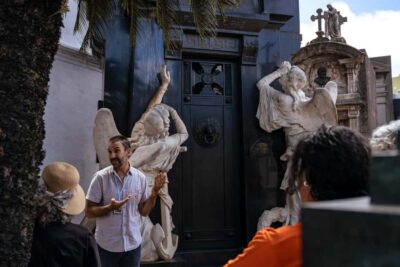
Recoleta Cemetery – Small Group Tour of History & Secrets
Read our review →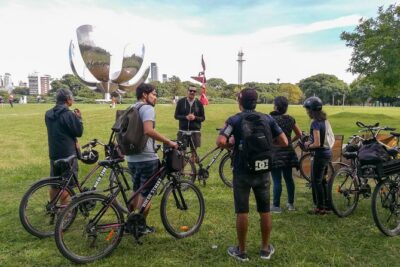
Cultural Experience by Bike around Palermo and Recoleta Max 6 ppl
Read our review →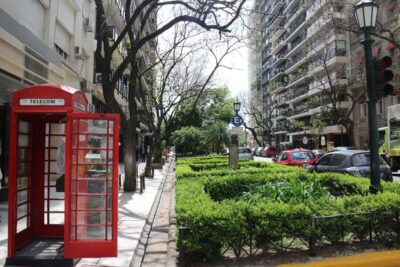
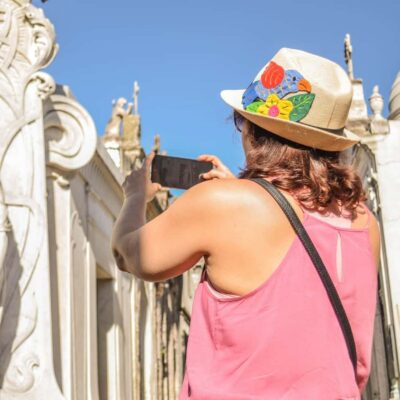
Full Day City Tour Buenos Aires, Recoleta Cemetery and Tigre
Read our review →Browse the lists this tour appears in