
Reviewed · BUENOS AIRES
Buenos Aires for curious people
Buenos Aires reveals itself best when you ask awkward questions. This three-hour walk connects Lezama Park with Casa Rosada while examining who first lived here, why Britain wanted the port, what happened to the city’s African-descendant population, and why Evita, Perón, and the desaparecidos still matter. It is history told through streets, churches, markets, and political landmarks.
I like the conversation-led format, since you are invited to question and debate instead of simply trailing behind a guide. I also like the route’s range, from San Telmo’s old streets to Puente de la Mujer and Plaza de Mayo. The main consideration is pace: three hours on foot, with only a 20-minute break, may feel demanding in hot weather.
In This Review
- Key points to know before you book
- A history walk that asks better questions
- Starting beside Bar Británico and Lezama Park
- San Telmo’s churches, clubs, and difficult memories
- Plaza Dorrego and a pause at San Telmo Market
- From the Faculty of Engineering to the riverfront
- Ending at Casa Rosada and Plaza de Mayo
- What the guide adds to the experience
- Practical planning for a three-hour walk
- Who should book this Buenos Aires walk?
- Should you book Buenos Aires for curious people?
- FAQ
- Where does the tour begin?
- Where does the tour finish?
- How long does the experience last?
- How much does the tour cost?
- Which languages are available?
- Is this a private tour or a group tour?
- Is the tour wheelchair accessible?
- Is food included?
- What should I bring?
Key points to know before you book
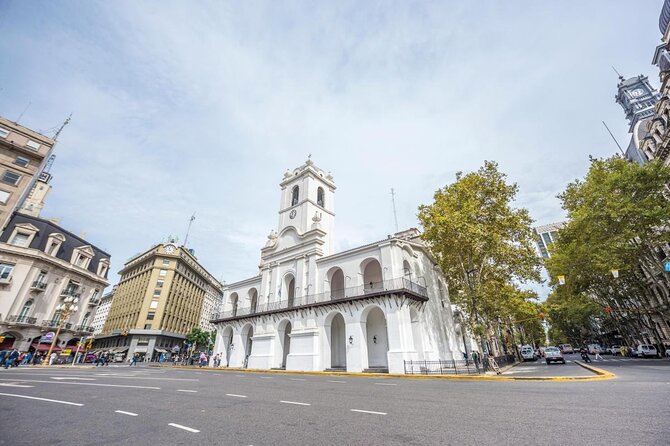
- The walk follows a clear historic route: Start at Bar Británico by Lezama Park and finish at Casa Rosada or Plaza de Mayo.
- The questions go beyond dates: Expect discussion of British invasions, immigration, African-descendant Argentines, Evita and Perón, the desaparecidos, and the dollar’s role in Argentina.
- Guide Nicolás may lead your visit: His approach has been praised for making Argentine history easy to follow and open to questions.
- San Telmo Market provides the main pause: You get about 20 minutes for a break, but meals and drinks are not included.
- Small-group or private formats are available: That can make the discussion more useful if you want to ask detailed questions.
- The price is $30 per person: For three hours with a professional guide, that is fair value if you want context rather than a quick photo walk.
A history walk that asks better questions
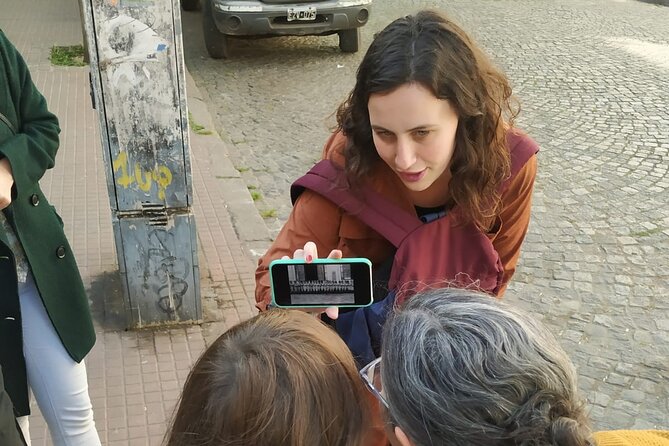
Many city walks point at a building, give you a date, and move on. This one uses the city as a prompt for discussion. You are encouraged to ask why Buenos Aires developed as it did, whose stories were left out, and how old conflicts still shape daily life.
That makes the experience a good fit for a curious first-time visitor. You will not get a full academic course in Argentina, but you should leave with a clearer frame for understanding the capital. The guide connects physical places with larger issues: colonial settlement, foreign power, migration, race, military rule, democracy, and the economy.
The advertised price is $30 per person for three hours. I see that as good value when you want a strong introduction to Buenos Aires without paying for a full-day private guide. The value depends on your preferred style. If you mainly want landmarks and photographs, a shorter sightseeing walk may suit you better. If you want to stop and ask why the city looks and behaves as it does, this format earns its keep.
The experience is available in English, Spanish, French, and Portuguese. Private and small-group options are offered, which matters here because the discussion is part of the point. A large group can make questions harder, while a small group gives the guide more room to follow your interests.
Other Buenos Aires outings people book alongside this one:
- Buenos Aires Hop-On Hop-Off Bus, Free Walking Tours & Discounts
★ 4.5 · 2,218 reviews - Buenos Aires: Piazzolla Tango Show with Optional Dinner
★ 4.4 · 2,122 reviews - Buenos Aires: City Highlights Guided Tour with Transfer
★ 4.7 · 1,946 reviews
Starting beside Bar Británico and Lezama Park
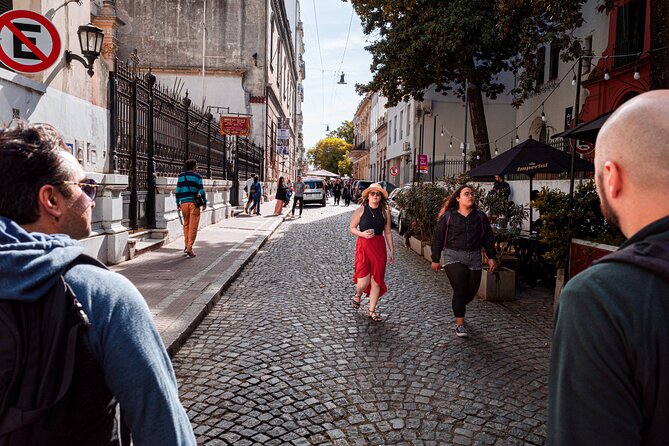
The meeting point is by Bar Británico, beside Parque Lezama. This gives you an immediate sense of old Buenos Aires, before the route moves toward San Telmo and the central political district.
Lezama Park receives about 15 minutes of guided attention. The park is useful as an opening chapter because the walk begins by considering the city’s earliest inhabitants and the roots of Buenos Aires. Rather than treating the capital as a European city that appeared fully formed, the guide sets up the older human story beneath its streets.
I like this beginning because it prevents the tour from becoming a parade of grand buildings. You start with the question of who was here first, then move toward the forces that reshaped the city. The park also gives you space to settle into the walk before the route becomes denser.
Bring water and sunscreen. The tour lasts three hours, and the route includes several walking sections with limited time to stop. Comfortable shoes are not optional if you want to enjoy the conversation instead of thinking about your feet.
San Telmo’s churches, clubs, and difficult memories
The Russian Orthodox Church of the Holy Trinity receives about 10 minutes. Here, the guide adds another layer to Buenos Aires: the city as a place shaped by different communities and traditions. You get sightseeing time, but the larger purpose is to see how the capital’s identity grew through more than one cultural thread.
The route then passes Club Sueco Restaurante, also with about 10 minutes of walking and explanation. The stop fits the tour’s interest in immigration and foreign communities. Buenos Aires is often described as a nation of immigrants, and this part of the walk helps connect that broad idea with specific places in the city.
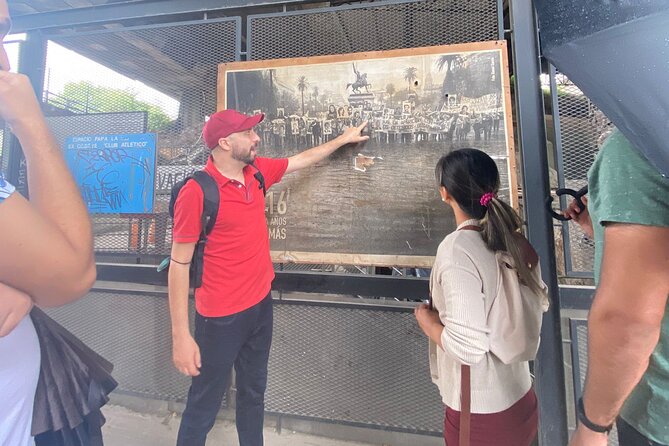
One of the more serious stops is Espacio para la Memoria ex CCD Club Atlético. The visit lasts about 10 minutes. This is where the discussion turns to the desaparecidos, the people who were forcibly disappeared during Argentina’s military dictatorship, and to the way their memory remains part of public life.
You should expect the tone to change here. The tour is not only about attractive streets and famous façades. It asks you to consider how a city remembers state violence, and how historical memory shapes modern Argentina. The short timing means this is an introduction rather than an exhaustive treatment, but it gives the subject a place in the route.
At Parroquia de San Pedro González Telmo, you get another 10-minute guided stop. The church and its surroundings help place San Telmo within the older city. The route is not simply moving from one postcard view to the next. It is building a sequence: early inhabitants, immigrant communities, religious institutions, political violence, and the everyday city between them.
Plaza Dorrego and a pause at San Telmo Market
Plaza Dorrego receives roughly five minutes, so do not expect a long, quiet stop. It functions as a bridge into the market area and the broader story of San Telmo.
The 20-minute break at San Telmo Market is the most useful breathing space in the tour. You can pause, look around, and get something to eat or drink if you choose, but food and drinks are not included. The break is long enough to reset, not long enough for an unhurried meal.
This is also the point where you should manage expectations. The activity is billed as a walking experience, and the market break is the only clearly listed pause. If you are sensitive to heat, need frequent rests, or prefer a slower pace, a private or small-group booking may help you ask for a more comfortable rhythm, though the supplied details do not promise a custom route or extra stops.
San Telmo is a fitting place to pause because the tour’s big subjects meet here in a compact area. You have old religious and civic spaces, immigrant influences, a market, and the social history of a port city. The guide’s job is to help you see those connections rather than leave you with isolated facts.
A different sort of afternoon, still in Buenos Aires:
- Buenos Aires: Hop-On Hop-Off City Bus Tour
★ 4.2 · 1,855 reviews - Buenos Aires Hop-On Hop-Off Bus and Exclusive Benefits
★ 4.4 · 1,714 reviews - Buenos Aires: La Boca Guided Walking Tour in English
★ 4.8 · 1,587 reviews - Buenos Aires: La Recoleta Cemetery Guided Tour in English
★ 4.8 · 1,359 reviews
From the Faculty of Engineering to the riverfront
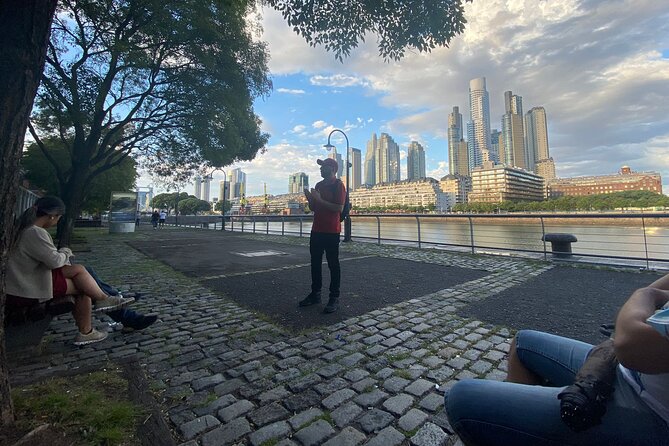
After the market, the route continues to Facultad de Ingeniería for about five minutes. This is a brief stop, but it keeps the walk moving toward the newer waterfront areas.
Next comes UCA Santa María de los Buenos Aires, with around 10 minutes of walking and guidance. The route is now shifting from the older southern quarter toward the modern central and riverfront districts. That change matters. Buenos Aires is not one uniform historic zone. It is a city of changing eras, institutions, and ambitions.
The stop at Puente de la Mujer receives about 15 minutes. The bridge offers a more contemporary view of Buenos Aires and gives the guide a chance to contrast newer urban development with the older neighborhoods behind you.
I like the route’s gradual change in setting. You begin with parks and historic San Telmo, then pass through places connected to immigration, memory, religion, and civic life before reaching the waterfront. That physical movement supports the main idea of the experience: the city’s present makes more sense when you know the forces that created it.
Do not expect every stop to be a major attraction on its own. Some locations receive only five or 10 minutes, and their value depends on the guide’s explanation. This is a route for interpretation, not a checklist of interiors or long museum visits.
Ending at Casa Rosada and Plaza de Mayo
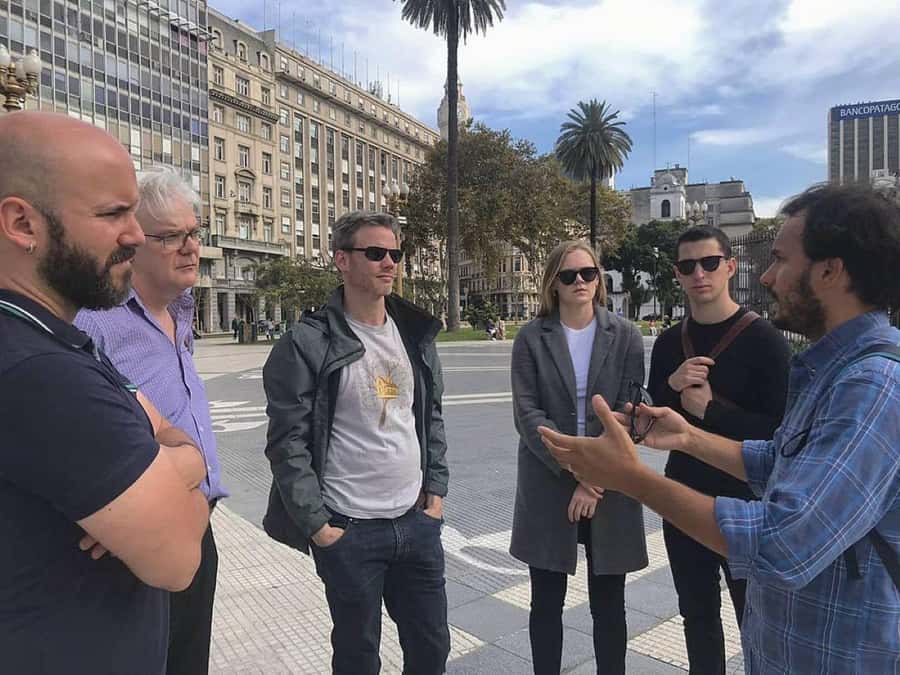
The walk concludes with three possible drop-off points: Museo Casa Rosada, Casa Rosada, or Plaza de Mayo. Casa Rosada is the natural finale because it brings the tour’s political questions into focus.
Here you discuss Argentina’s political leaders, including Evita and Perón. The point is not only to identify the famous pink building. It is to consider why these figures remain so powerful in Argentine public life and how politics, social class, labor, and national identity meet at this square.
Plaza de Mayo also connects to the memory of the desaparecidos. The square is not simply a ceremonial center. It is a place where political power, public protest, and remembrance overlap. Ending here gives the earlier historical material a modern charge.
The final stop also makes the tour useful as a first-day activity. You finish in a central area with several major sights nearby. The experience itself does not include museum admission, meals, or transportation after the walk, but you can use the ending point to continue exploring on your own.
What the guide adds to the experience
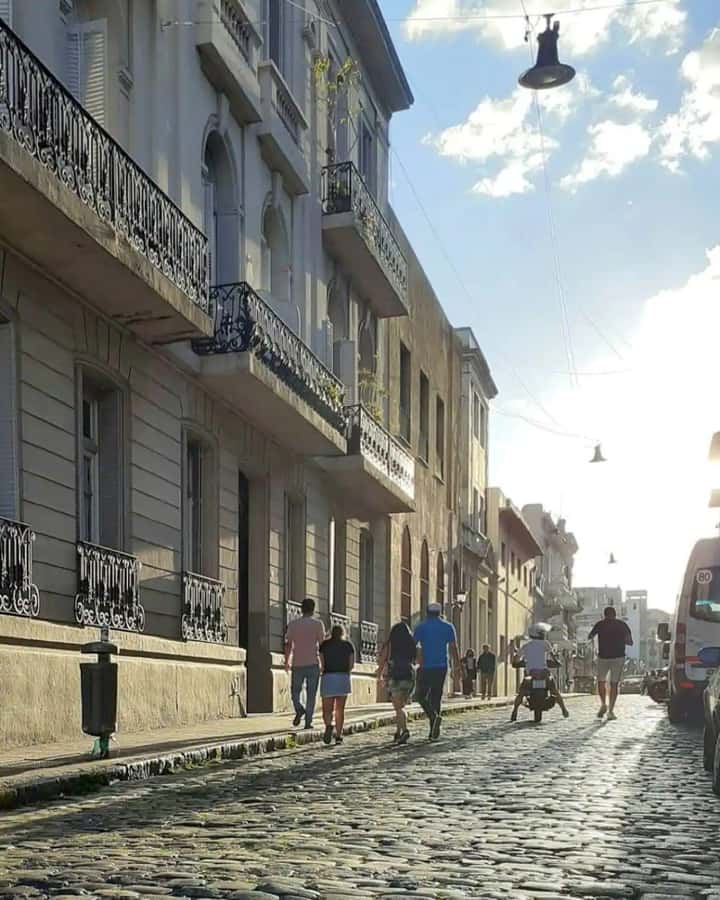
The guide is the key variable. Nicolás led several of the strongest reported experiences, and his style is described as friendly, clear, and open to questions. One particularly useful feature of this route is that a small booking may become private, giving you more time to ask about subjects that interest you.
That matters because the tour covers a lot in three hours. The guide must move between colonial beginnings, British military interest, African-descendant communities, immigration, dictatorship, political leaders, and the economy. A good guide keeps these subjects connected rather than turning them into a pile of facts.
The format also allows room for debate. You can ask about Argentina’s complicated relationship with the United States dollar, or how historical memory affects politics today. You are not limited to the guide’s prepared script.
Still, the discussion-based approach is not for everyone. If you prefer a quiet walk with short commentary and plenty of time for photographs, the questions and political subjects may feel like too much. If you enjoy asking follow-up questions, the format should suit you well.
Practical planning for a three-hour walk
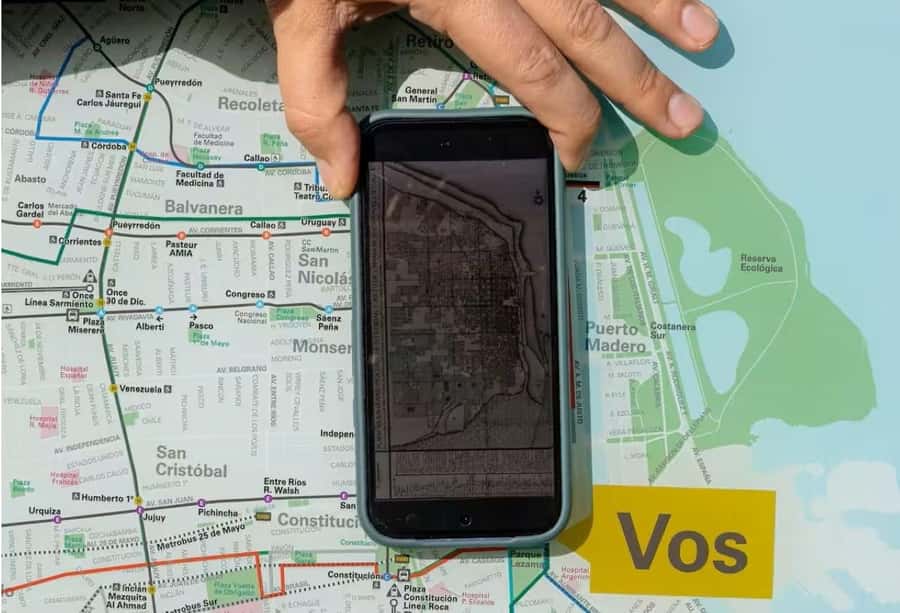
The meeting point is by Bar Británico, and transportation to the starting point is not included. Plan your arrival so you are ready to walk at the stated start time. Availability and starting times should be checked when booking.
Wear comfortable shoes, carry water, and use sunscreen. The activity notes warn you to prepare for changing weather, so a light layer or rain protection may be sensible depending on the forecast. A camera is recommended, especially for Lezama Park, San Telmo, the waterfront, and Casa Rosada.
The route is listed as wheelchair accessible. Because the experience includes several walking segments and a market break, it is still sensible to confirm the exact meeting and route arrangements when booking if you have particular mobility needs.
Free cancellation is available up to 24 hours before the activity for a full refund. You can also reserve now and pay later, which helps if your schedule in Buenos Aires is still shifting.
The language choices are unusually useful for an experience built around discussion. English, Spanish, French, and Portuguese are offered. Make sure you select the language that lets you ask nuanced questions, especially if politics and historical memory are central reasons for booking.
Who should book this Buenos Aires walk?
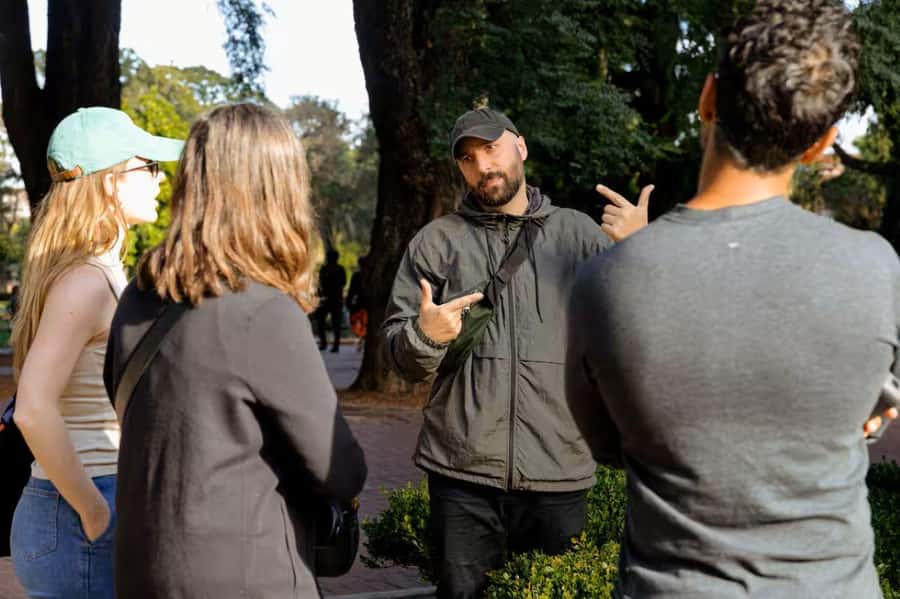
I would recommend it to first-time visitors who want a framework for the city before exploring on their own. It suits people who like history tied to real places, and it is especially useful if you want to understand Argentina beyond tango, football, steak, and grand avenues.
It also works well for repeat visitors who have already seen the main sights but want more context. The route includes familiar names, such as Casa Rosada and Plaza de Mayo, but approaches them through questions about race, migration, foreign influence, dictatorship, and money.
Families with older children or teenagers may find the conversational format useful, particularly if they enjoy asking questions. The serious material about the desaparecidos requires attention and maturity, so parents should consider whether that subject fits their group.
You may want to skip it if you dislike walking for three hours, want extensive indoor sightseeing, or prefer a tightly scripted tour with no debate. The market break helps, but this remains an active walk with a broad subject list.
Should you book Buenos Aires for curious people?
Book this walk if you want to understand why Buenos Aires feels European in some places, distinctly Argentine in others, and politically charged almost everywhere. For $30, you receive three hours of guided interpretation, a route through Lezama Park, San Telmo, the waterfront, and Plaza de Mayo, plus time to ask your own questions.
The strongest reasons to choose it are the range of subjects and the willingness to discuss them. The main caution is physical and mental pace: you cover many stops, walk for most of the experience, and encounter difficult history along the way.
If that sounds like your kind of sightseeing, this is a thoughtful way to begin your time in the capital. Bring water, wear good shoes, and arrive ready to talk.
FAQ
Where does the tour begin?
The meeting point is by Bar Británico, beside Parque Lezama.
Where does the tour finish?
The walk has three listed drop-off points: Museo Casa Rosada, Casa Rosada, and Plaza de Mayo.
How long does the experience last?
The tour lasts three hours.
How much does the tour cost?
The price is $30 per person.
Which languages are available?
The live guide service is available in Spanish, French, English, and Portuguese.
Is this a private tour or a group tour?
Private and small-group options are available.
Is the tour wheelchair accessible?
The activity is listed as wheelchair accessible.
Is food included?
No. Meals and drinks are not included. There is a 20-minute break at San Telmo Market.
What should I bring?
Bring comfortable walking shoes, water, sunscreen, and a camera. You should also prepare for changing weather conditions.
Just added around Buenos Aires
- Unique Tigre and Delta Private Day Cruise Navegation★ 5.0 · 3 reviews
- Buenos Aires: Customizable City Tour in Polish★ 4.7 · 3 reviews
- Tango Show at: MichelAngelo★ 4.5 · 3 reviews
- Velez Sarsfield Football Match★ 5.0 · 3 reviews
- Enjoy a Rural Experience in a Vineyard near Buenos Aires★ 4.7 · 3 reviews
- Guided tour Boca Juniors Museum & Stadium + Caminito★ 3.3 · 3 reviews
- From Colonialism to Eclecticism, Buenos Aires arquitectonica★ 5.0 · 3 reviews
- Buenos Aires: Private City Tour by Car with Hotel or Pickup★ 5.0 · 3 reviews