Reviewed · TOURS
Buenos Aires 3-Hour Small Group Pope Francis Tour
Pope Francis’s Buenos Aires story is told through ordinary places: a family home in Flores, a school, a football club, and churches where Jorge Bergoglio studied, prayed, and worked. This three-hour small-group tour gives you a focused way to connect the public figure with the city that shaped him.
I like the clear route through his early life, from childhood and education to his first religious calling. I also like the guide-led context, especially since Pablo, a guide praised in earlier bookings, explained not only Bergoglio’s life but Argentine history, culture, and politics. The main drawback is that the schedule is tight, and basilica access or the order of stops can change around Mass times.
In This Review
- Key points to know before booking
- Why this tour gives you a different Buenos Aires
- Flores and the family home of Jorge Bergoglio
- Schools and the making of a future priest
- San José de Flores and the decision at 17
- Baptism, San Lorenzo, and everyday loyalties
- San Ignacio de Loyola in Montserrat
- The Metropolitan Cathedral and Plaza de Mayo
- Is $132 a fair price for three hours?
- Timing, comfort, and practical details
- Who should book this Pope Francis tour?
- Should you book it?
- FAQ
- Where does the tour begin?
- How long does the tour last?
- Is hotel pickup included?
- What languages are available?
- How many people can join the tour?
- What places connected with Pope Francis are included?
- Does the tour include Club Atlético San Lorenzo de Almagro?
- Are food and drinks included?
- What should I bring?
- Is the tour wheelchair accessible?
Key points to know before booking
- The tour follows a life story: You visit Bergoglio’s childhood home, schools, baptismal church, teenage church, and former workplace settings.
- San José de Flores is the emotional center: This is where Jorge Bergoglio decided at age 17 to pursue the priesthood.
- The Metropolitan Cathedral finishes the route: It overlooks Plaza de Mayo and was where Bergoglio celebrated important Masses as Archbishop of Buenos Aires.
- Football is part of the picture: You learn about Club Atlético San Lorenzo de Almagro, the club Pope Francis passionately supports.
- Transport is included: Transfers between the spread-out sites are part of the three-hour experience, but hotel pickup and drop-off are not.
- Plan for a small group, not a private tour: The maximum is 15 people, with live guiding in English, Spanish, or Portuguese.
Why this tour gives you a different Buenos Aires
A Pope Francis tour can easily become a parade of papal photos and vague anecdotes. This one has a better structure. It uses actual addresses and institutions to show how Jorge Bergoglio moved through Buenos Aires before he became a worldwide religious figure.
You begin at 10:00 am at Tangol’s office at Defensa 831 in San Telmo. That location is practical if you are already exploring the historic center, but it is not hotel pickup. You need to reach the meeting point yourself, and you should arrive ready to leave on time.
I see the tour as a compact biographical route rather than a standard sightseeing outing. You will see churches and neighborhoods, but the guide’s job is to explain what each place meant in Bergoglio’s development. That makes the quality of the guide especially important. Past tours led by Pablo received praise for warm explanations and for connecting the Pope’s life with Argentina’s wider history, culture, and politics.
The group can include up to 15 people. That is small enough for questions and easier movement than a large coach group, though it is not the same as having a private guide. If your main interest is religious history, ask questions as you go. The format should suit that kind of conversation.
A few more Buenos Aires outings worth weighing up
- Buenos Aires: 3-Hour Private Customizable Tour
★ 4.6 · 44 reviews
Flores and the family home of Jorge Bergoglio
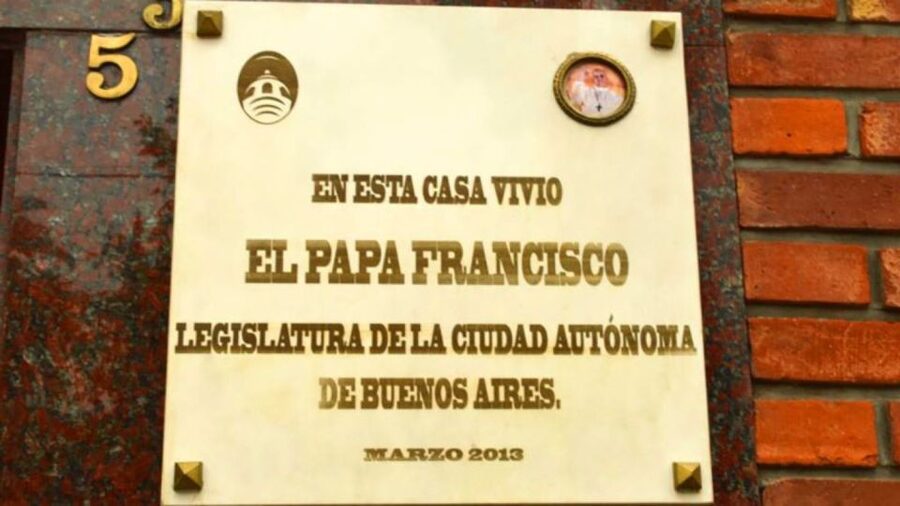
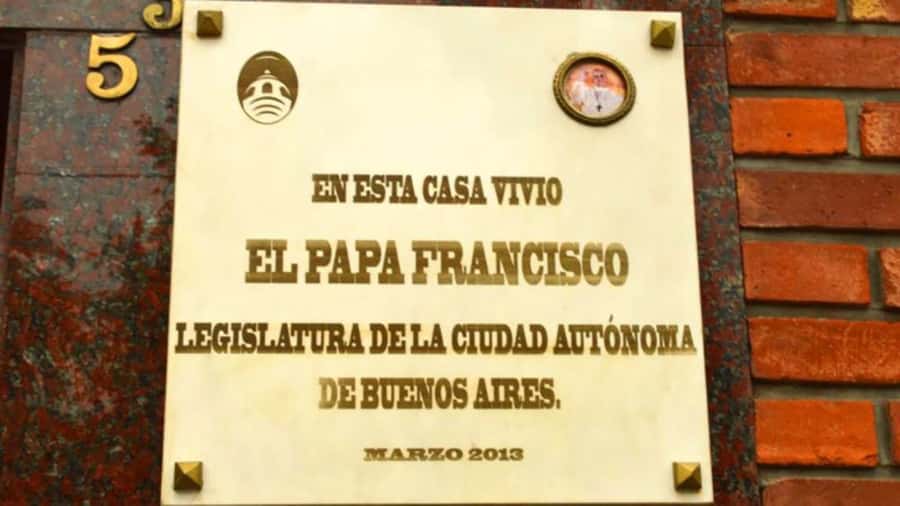
The first stop is in Flores, the neighborhood associated with Bergoglio’s childhood home. He lived there with his parents and siblings, and the stop gives you a useful starting point: before the papal robes, there was a family and a local community.
Do not expect a grand museum or a dramatic interior tour unless access happens to be available. The value is in standing at the place linked to his early family life and hearing the guide explain the setting. This is an exterior-oriented stop in spirit, so the interpretation matters more than the architecture alone.
I like this beginning because it keeps the story human. You are not starting with the Vatican or the public image of Pope Francis. You are starting with home, family, and a Buenos Aires neighborhood. That helps you understand the rest of the route as a long formation story rather than a list of famous religious buildings.
The stop also shows why a vehicle is useful. The points connected with Bergoglio are spread across Buenos Aires, and walking between all of them would take far longer than three hours. Transfers are included throughout the tour, so you can focus on the guide’s narrative instead of working out each connection yourself.
Schools and the making of a future priest
The route continues to the Instituto Nuestra Señora de la Misericordia and the Universidad del Salvador, along with the Iglesia del Salvador. These places represent Bergoglio’s education and early intellectual formation.
For you, this section may be less visually dramatic than the basilicas. Schools and university buildings do not always offer a theatrical sightseeing moment. Their importance is personal and institutional. They help explain the settings in which he studied, developed his ideas, and became involved with the Society of Jesus.
The Iglesia del Salvador adds a more clearly religious stop to this part of the day. You can expect the guide to connect the church with Bergoglio’s path through Jesuit education and service. This is where an informed guide earns the price of admission. A quick photo stop would tell you very little, while a good explanation can connect buildings, faith, education, and Argentine public life.
The tour does not present Pope Francis as someone who appeared fully formed. Instead, it traces stages: home, school, university, church, and the communities around them. I find that approach more useful than concentrating only on the moment he became pope.
San José de Flores and the decision at 17
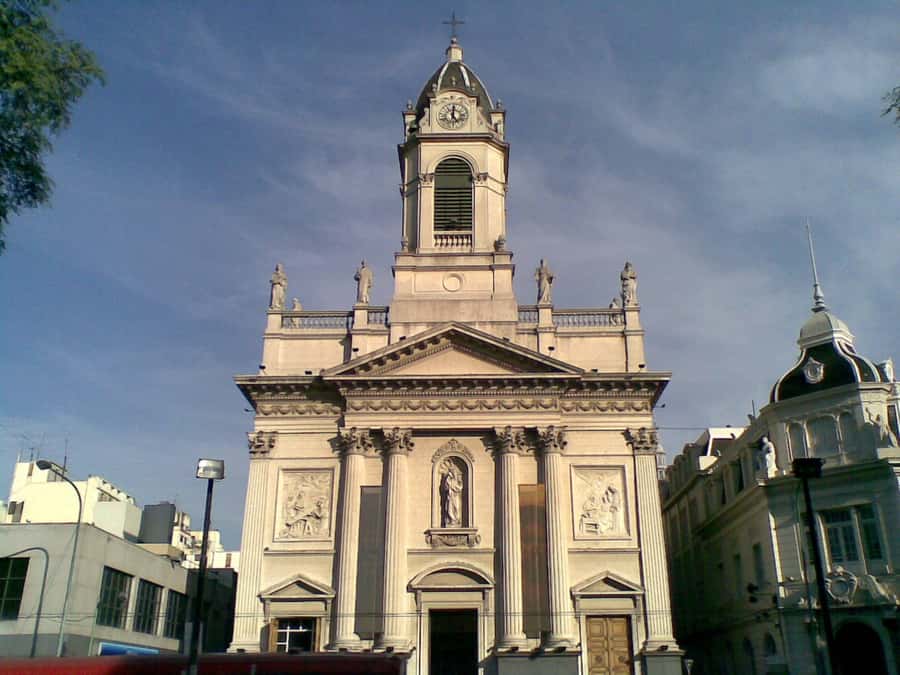
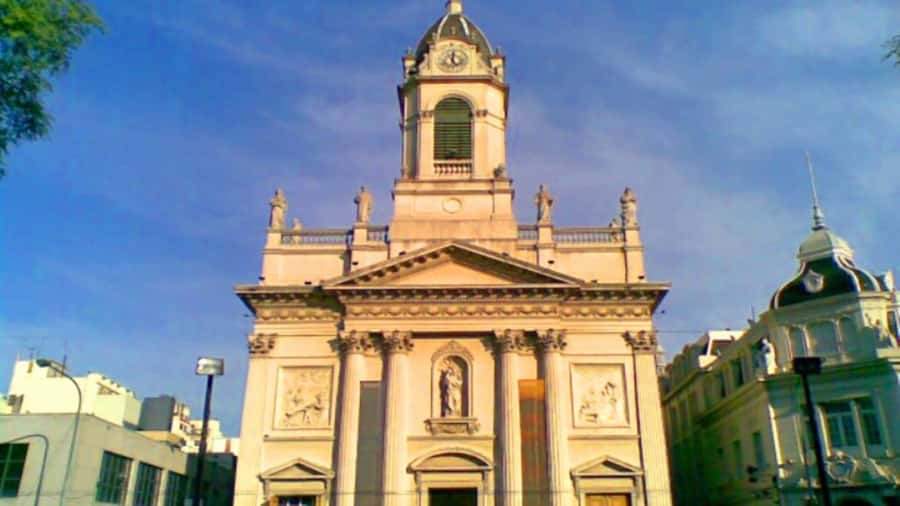
The Basilica of San José de Flores is the spiritual center of the route. This was the church of Bergoglio’s childhood and adolescence, and at age 17 he experienced what he described as a divine call. That moment led him toward the priesthood and shaped the rest of his life.
This is likely to be the most meaningful stop for anyone interested in Pope Francis as a religious figure. The basilica is not simply another church on a sightseeing route. It is tied to a personal decision that changed his work, studies, and public role.
You should allow yourself a little quiet attention here. The schedule is only three hours, but the importance of this stop is not measured in minutes. Listen for the explanation of how Bergoglio understood mercy and service, and how that early experience related to his later episcopal motto.
Access can depend on Mass schedules and the availability of the basilicas. That means the exact experience may not be identical on every departure. The itinerary can change without notice, so you should treat the route as a planned story with some flexibility, not a guaranteed sequence of interior visits.
A different sort of afternoon, still in Buenos Aires:
- Buenos Aires Hop-On Hop-Off Bus, Free Walking Tours & Discounts
★ 4.5 · 2,218 reviews - Buenos Aires: Piazzolla Tango Show with Optional Dinner
★ 4.4 · 2,122 reviews - Buenos Aires: City Highlights Guided Tour with Transfer
★ 4.7 · 1,946 reviews - Buenos Aires: Hop-On Hop-Off City Bus Tour
★ 4.2 · 1,855 reviews
Baptism, San Lorenzo, and everyday loyalties
The Basilica of Mary Help of Christians and St. Charles is connected with Bergoglio’s baptism. This stop brings the story back to the beginning of his religious identity, before his teenage decision and before his formal work in the Church.
Baptismal churches can be easy to overlook if you see them only as buildings. Here, the connection is direct and personal. The guide can help you understand how the site fits into the timeline, moving from family life to baptism, education, adolescence, and priestly vocation.
The tour also includes the story of Club Atlético San Lorenzo de Almagro, Pope Francis’s football club. This detail gives the route a welcome change of tone. Bergoglio’s identity was not limited to schools and churches. His passion for San Lorenzo connects him with one of Argentina’s great everyday enthusiasms.
I especially like this part because it avoids presenting him as distant or purely ceremonial. A football allegiance is a small detail, but it makes the biography easier to picture. You get a sense of the regular citizen behind the archbishop and pope, which is exactly the kind of detail a good local guide can bring to life.
The supplied information does not promise entry into every building or a football match experience. Think of this as a guided account of the club’s place in his life, not a sports tour.
San Ignacio de Loyola in Montserrat
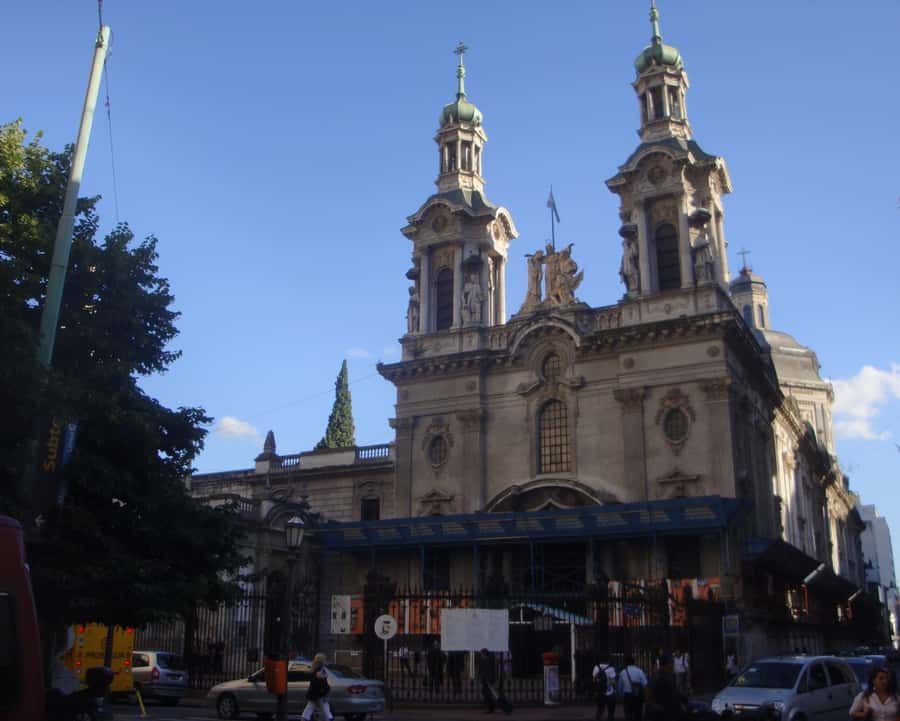
You then reach the Church of San Ignacio de Loyola in Montserrat. Built by the Society of Jesus in 1675, it is the oldest preserved church in Buenos Aires and forms part of the Manzanas de las Luces.
This stop broadens the tour beyond Bergoglio’s personal biography. It places his Jesuit identity within Buenos Aires itself. The church’s age and connection with the Society of Jesus give the guide a chance to explain the religious institutions that shaped the city and Bergoglio’s own path.
The building is also useful for anyone who wants more than a single-person story. Even if you book the tour mainly because you admire Pope Francis, you are also seeing one of the city’s important historic churches. That makes the experience more worthwhile for a companion who may be less interested in papal biography.
Keep your expectations practical. The tour is not advertised as a long architectural study, and time is shared among many locations. You will get context and a visit, not an exhaustive examination of every chapel, painting, or architectural detail.
The Metropolitan Cathedral and Plaza de Mayo
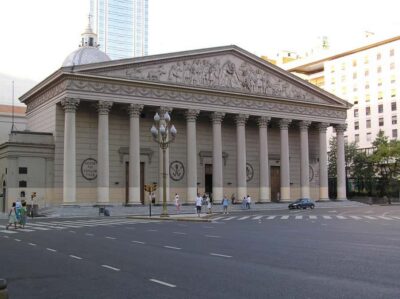
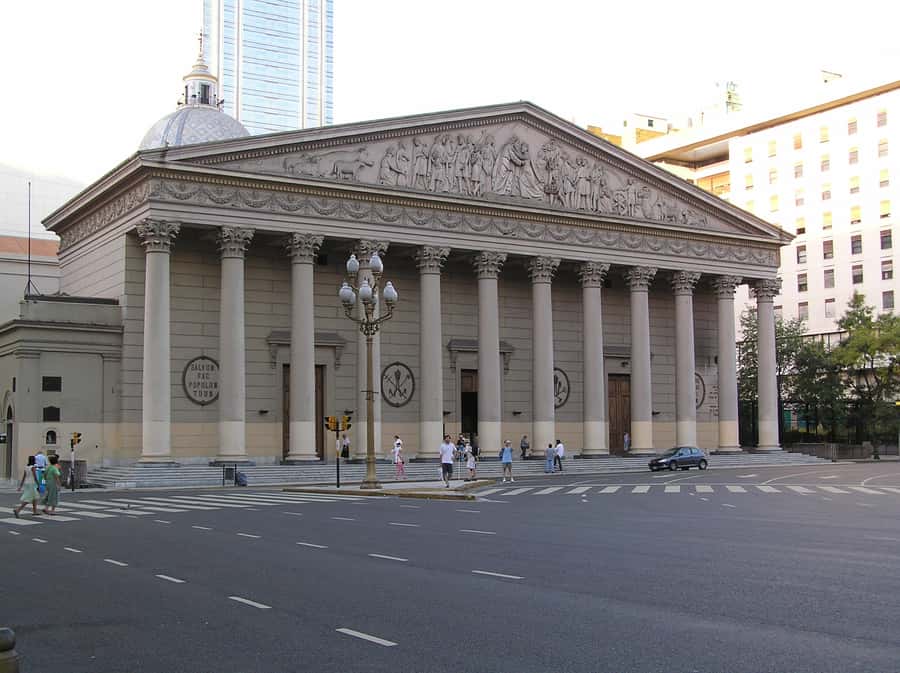
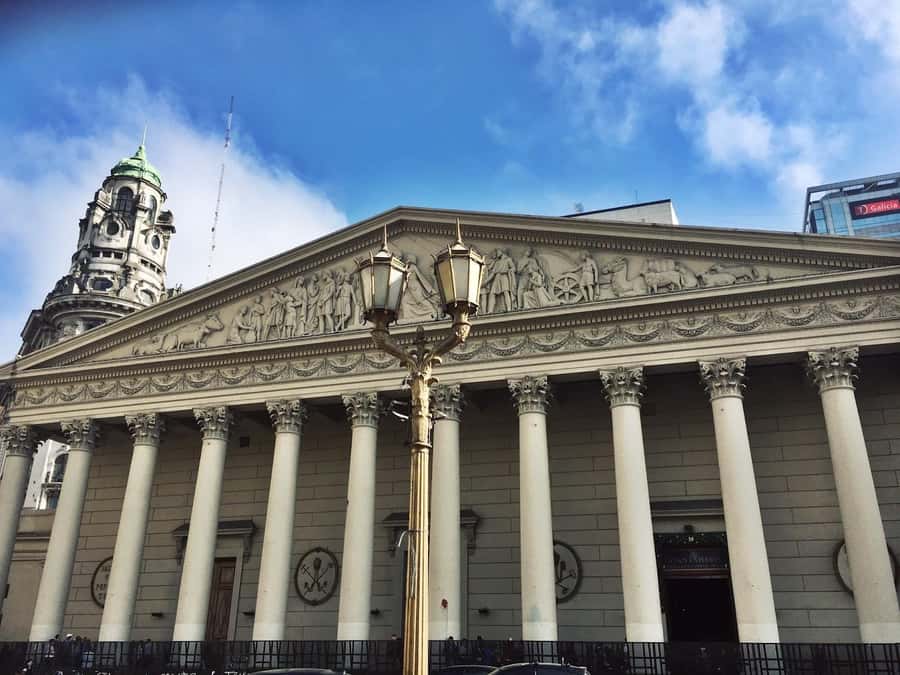
The final major stop is the Buenos Aires Metropolitan Cathedral, facing Plaza de Mayo. It is considered the city’s main Catholic church and was declared a historical monument in 1942.
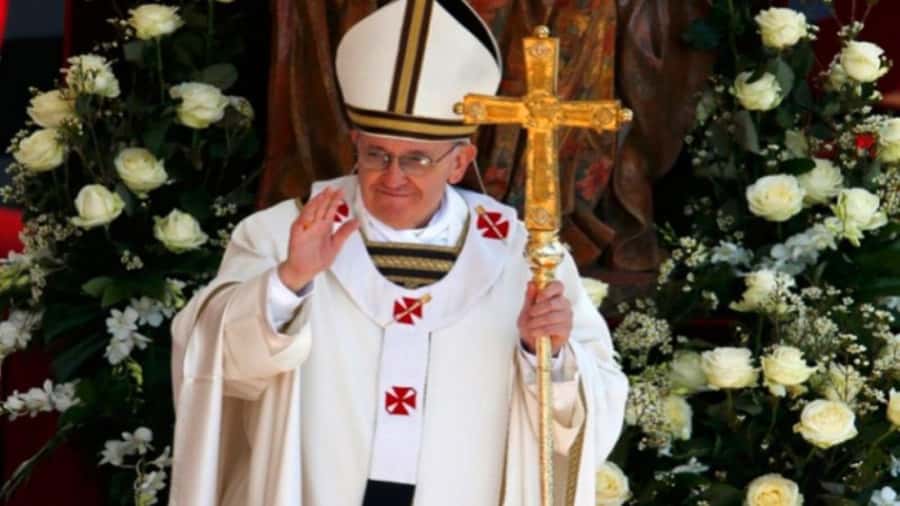
This is the strongest finish for the route. The cathedral connects Bergoglio’s Buenos Aires years with his public role as Archbishop of Buenos Aires. He celebrated important Masses here, and it became the place where devoted followers gathered while waiting for news of his election as Supreme Pontiff.
The setting also gives the tour a wider civic frame. Plaza de Mayo is one of the key public spaces in Buenos Aires, so the cathedral is not isolated from the city’s political and social life. A guide who can explain both the church and its surroundings adds real value here.
A previous guest, Laura, described ending at the cathedral, attending Mass, and then hearing a concert there. That was a particularly fortunate outcome, not something included in the tour price or promised on every date. Still, it points to a useful tip: if the schedule permits and the cathedral is open, you may want to remain in the area after the guided portion ends.
Do not plan the rest of your day too tightly around a specific interior visit. Mass schedules and church availability can alter the timing. The cathedral is a fitting final stop, but the exact duration and access are subject to local conditions.
Is $132 a fair price for three hours?
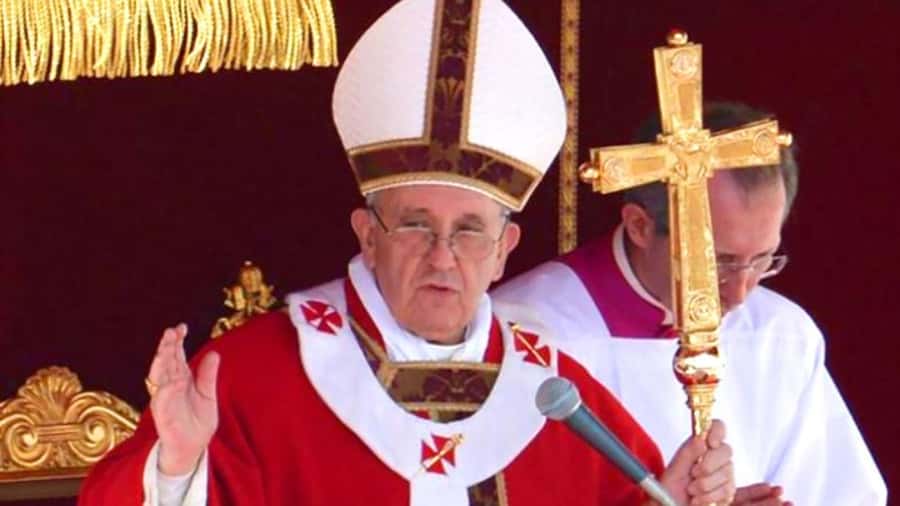
At $132 per person, this is not a cheap short city tour. The value depends on how much you want the subject and how useful you find guided transport between distant sites.
You are paying for a live guide, transfers throughout the route, and a tightly organized look at several places tied to Bergoglio. You are not paying for food, drinks, hotel pickup, or drop-off. Since those exclusions are clear, you can judge the price fairly.
For a devoted Catholic or a serious admirer of Pope Francis, the price may make sense because the route gathers places you would have trouble linking efficiently on your own. You would need to research the addresses, arrange transport, check opening times, and build the story yourself. The tour packages that work into a single morning.
For a general sightseeing visitor, the value is less certain. Some stops are churches, schools, and exterior locations whose significance depends on the explanation. If you want only major monuments, a broader Buenos Aires city tour may offer more visual variety for the same time.
The strongest reason to book this experience is the guide. Past feedback repeatedly praised the guide’s expertise, clear organization, and friendly manner. Pablo was singled out for explaining Bergoglio’s ordinary activities as well as his religious work, and for tying the story to Argentine politics and culture. Guide assignment can change, so do not book solely on the assumption that Pablo will lead your departure.
Timing, comfort, and practical details
Three hours is enough for an overview, not a slow study of every stop. The route covers several neighborhoods, and the included transfers keep it possible. You will still want comfortable shoes because the experience includes getting in and out of transport and moving around church and city settings.
Bring your passport or ID card. Large bags and luggage are not allowed, so leave suitcases elsewhere and carry only what you need. Food and beverages are not included, and the meeting point is in San Telmo rather than at your hotel.
The tour is offered in English, Spanish, and Portuguese. Confirm your preferred language when booking, since the usefulness of the historical and religious explanations depends on understanding the guide easily.
There is conflicting information about wheelchair access. One section describes the activity as wheelchair accessible, while the important information says it is not wheelchair accessible. I would not rely on access without confirming directly with Tangol before paying, especially because churches, steps, vehicle transfers, and changing site access may affect the route.
You can cancel up to 24 hours in advance for a full refund, and the reserve-now, pay-later option lets you hold a place without paying immediately. Those policies are useful if your Buenos Aires schedule is still shifting.
Who should book this Pope Francis tour?
I would recommend it first to Catholics, Jesuit history enthusiasts, and anyone who wants to understand Pope Francis through his Argentine years rather than through his papacy alone. It also suits repeat visitors who have already seen the standard Buenos Aires sights and want a focused neighborhood story.
It can work for first-time visitors too, especially if you enjoy guided context and prefer not to manage transport across several districts. The small maximum group helps keep the experience personal, although the tour remains shared rather than private.
I would think twice if you have no interest in Pope Francis, Catholic history, or biographical tours. The route includes important Buenos Aires churches, but it is not designed as a general introduction to the city’s food, architecture, tango, or museums.
Should you book it?
Book this tour if you want the places behind the public image: the family home, the schools, the baptismal basilica, the church tied to his vocation, the football club he supports, and the cathedral where he served as archbishop.
Skip it if you want a relaxed church-by-church visit or guaranteed access to every interior. The itinerary may shift around Masses and church availability, and three hours moves at a purposeful pace.
For the right reader, $132 buys more than transportation between addresses. It buys a local explanation of how a boy from Flores became Jorge Bergoglio, Archbishop of Buenos Aires, and finally Pope Francis. Just arrive at Defensa 831 with comfortable shoes, a small bag, and realistic expectations about the schedule.
FAQ
Where does the tour begin?
The tour begins at 10:00 am at Tangol’s office at Defensa 831 in the San Telmo neighborhood of Buenos Aires.
How long does the tour last?
The tour lasts three hours.
Is hotel pickup included?
No. Hotel pickup and drop-off are not included. You must meet the group at the Tangol office in San Telmo.
What languages are available?
The live guide service is available in English, Spanish, and Portuguese.
How many people can join the tour?
The maximum group size is 15 people.
What places connected with Pope Francis are included?
The route includes his childhood home in Flores, Instituto Nuestra Señora de la Misericordia, Universidad del Salvador, Iglesia del Salvador, Basilica of San José de Flores, Basilica of Mary Help of Christians and St. Charles, and the Buenos Aires Metropolitan Cathedral.
Does the tour include Club Atlético San Lorenzo de Almagro?
Yes. The tour includes the history of Club Atlético San Lorenzo de Almagro, the football club Pope Francis supports.
Are food and drinks included?
No. Food and beverages are not included.
What should I bring?
Bring your passport or another form of identification and wear comfortable shoes. Large bags and luggage are not allowed.
Is the tour wheelchair accessible?
The information is inconsistent. One section describes it as wheelchair accessible, while the important information says it is not wheelchair accessible. Confirm access directly with Tangol before booking.
Just added around Buenos Aires
- Unique Tigre and Delta Private Day Cruise Navegation★ 5.0 · 3 reviews
- Buenos Aires: Customizable City Tour in Polish★ 4.7 · 3 reviews
- Tango Show at: MichelAngelo★ 4.5 · 3 reviews
- Velez Sarsfield Football Match★ 5.0 · 3 reviews
- Enjoy a Rural Experience in a Vineyard near Buenos Aires★ 4.7 · 3 reviews
- Guided tour Boca Juniors Museum & Stadium + Caminito★ 3.3 · 3 reviews
- From Colonialism to Eclecticism, Buenos Aires arquitectonica★ 5.0 · 3 reviews
- Buenos Aires: Private City Tour by Car with Hotel or Pickup★ 5.0 · 3 reviews
Tours, compared.