
Reviewed · PALERMO TOURS
Palermo: Graffiti and Street Art Guided Tour in English
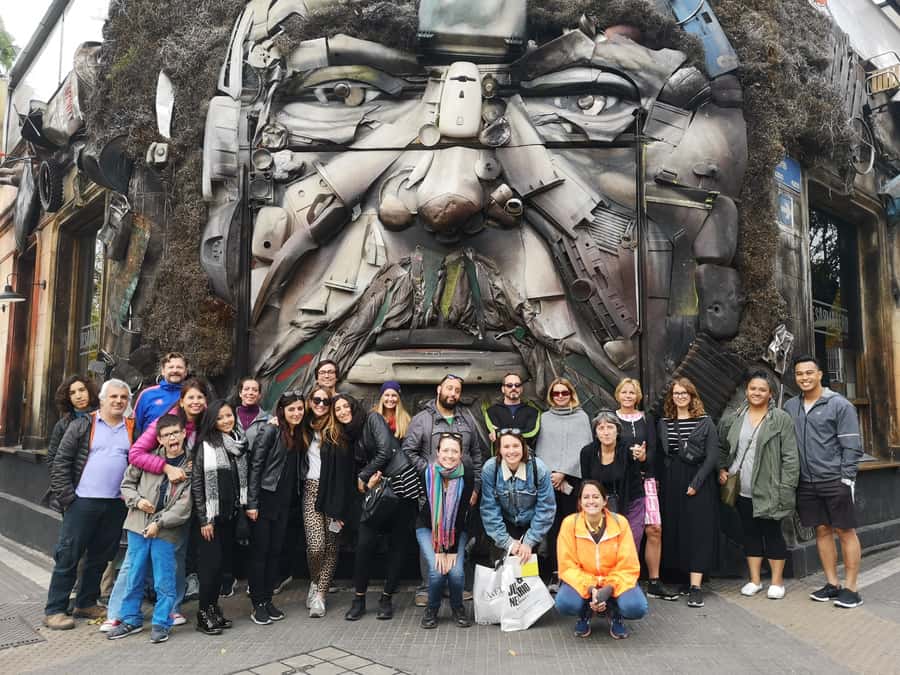
Palermo’s street art is not just colorful decoration. It is a record of Argentina’s political fights, military governments, football passions, and changing city life, painted across walls that you could easily pass without noticing. This two-hour walk gives those images a voice, with guides such as Juan, Vito, Victor, and Ailen bringing different personalities to the route.
I like the way the tour connects present-day murals with the political graffiti of the 1920s, and I like the price: $13 for two hours is a smart deal in an expensive neighborhood. The main consideration is that the route can feel crowded when the group is large, and one past booking suggested the circuit itself could be improved.
In This Review
- Key points to know before you book
- Why Palermo street art tells a bigger story
- Starting at Plaza Serrano, also called Plaza Cortazar
- Reading the political walls of the 1920s
- The 1969 arrival of aerosol paint
- Palermo’s murals, football colors, and the Trump Wall
- How the two-hour route feels on foot
- The guides make the difference
- What $13 gets you
- Practical details that matter
- Who should book this Palermo walk?
- Should you book the Palermo graffiti tour?
- FAQ
- Where does the Palermo graffiti tour begin?
- Where does the tour finish?
- How long does the street art tour last?
- Is the tour conducted in English?
- Is the tour wheelchair accessible?
- Does the tour operate in the rain?
Key points to know before you book
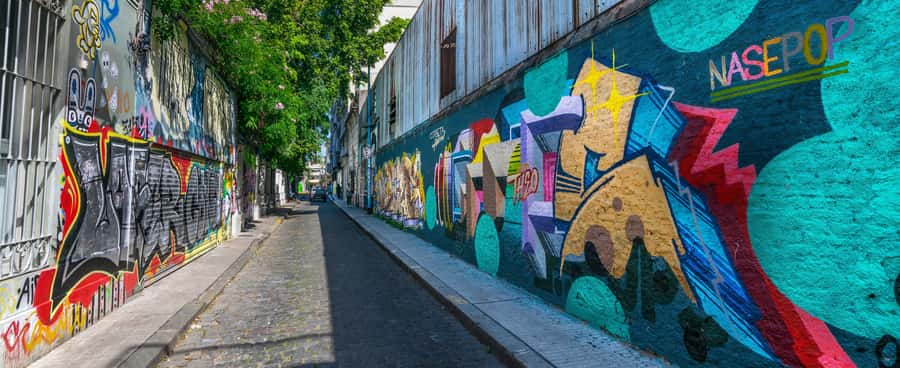
- See Palermo’s art with context: Learn how graffiti once served as political endorsement, propaganda, and election messaging.
- Follow the arrival of aerosol paint: The introduction of spray paint in 1969 changed how quickly people could write political messages.
- Stop at the Trump Wall: Madison Avenue Bar provides one of the tour’s most obvious photo opportunities.
- Expect a lively guide: Juan, Vito, Victor, Ailen, Aylen, and Elina are among the guides praised for humor, warmth, and strong local knowledge.
- Allow two hours on foot: The route begins at Plaza Serrano and finishes at Plaza Inmigrantes de Armenia.
- Bring a camera and sensible shoes: The art is spread through Palermo’s streets, and the tour continues in rainy weather.
Why Palermo street art tells a bigger story
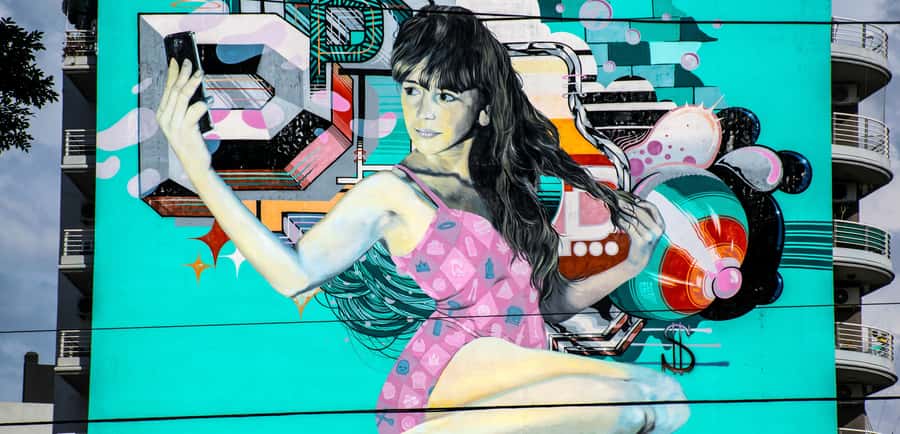
Palermo is one of Buenos Aires’s most eclectic neighborhoods, and its walls reflect that mix. You will see murals, political marks, football imagery, and pieces that are harder to classify. The point is not simply to collect photographs. Your guide explains who made the work, what it refers to, and how public painting became tied to social conflict.
The tour reaches back to the 1920s, when political movements were gaining ground in Argentina. At that time, writing on walls could act as a public endorsement. A slogan or name was not just a personal message. It could support a party, promote a candidate, or spread political propaganda in a city where walls offered a direct route to the public.
That background changes how you read modern graffiti. A painted wall may seem spontaneous, but it can also carry a political position, a neighborhood identity, or a comment on power. The guide helps you separate those possibilities instead of treating every painted surface as the same kind of art.
This is especially useful if you are new to street art. You do not need an art degree or a working knowledge of Argentine politics. You only need to be willing to look closely and ask questions.
More of Palermo:
- Buenos Aires: Empanada & Alfajor Cooking Lesson in Palermo
★ 4.6 · 186 reviews - BA: Empanadas and Alfajores Cooking Experience in Palermo
★ 5.0 · 112 reviews - Buenos Aires Bike Tour: North Districts, Recoleta and Palermo
★ 4.5 · 91 reviews
Starting at Plaza Serrano, also called Plaza Cortazar
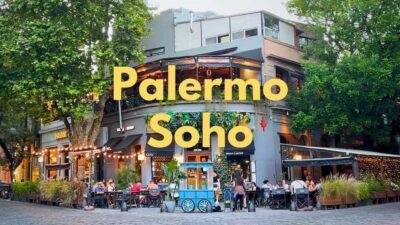
The meeting point is Plaza Serrano, also known as Plaza Cortazar, at the corner of Jorge Luis Borges and Honduras streets. Look for the guide wearing an orange shirt and standing near the large PALERMO sign.
That clear meeting point is helpful in a neighborhood with many cafés, shops, and side streets. It also puts you in the heart of Palermo before the walk begins, so you can arrive early, get a coffee, and take in the local scene without adding a separate transfer.
The tour starts in Plazoleta Julio Cortazar and then moves through Palermo on foot. The supplied route names Plaza Serrano as the start and Plaza Inmigrantes de Armenia as the finish. These locations are close enough to frame the walk as a neighborhood outing rather than a citywide transport exercise.
You should arrive ready to walk for two hours. Food and drinks are not included, and there is no hotel pickup or drop-off. Those are minor limits at this price, but they matter if you are trying to fit the tour around a meal or need door-to-door transport.
Reading the political walls of the 1920s
The most useful part of the tour is the historical thread. Your guide explains how graffiti became connected with political movements in Argentina during the 1920s. Instead of presenting politics as a separate lecture, the tour uses the walls as its starting point.
You learn how graffiti could serve as a form of political endorsement and how election campaigns used public writing to spread their message. That makes the city itself part of the story. A wall was not a passive backdrop. It could be a place to claim attention, support a movement, or challenge another one.
I like this approach because it gives you a way to interpret what you see later in Buenos Aires. After the tour, political writing in other neighborhoods may look less random. You may also notice the difference between a commissioned mural, an informal tag, a campaign message, and a piece shaped by protest.
The discussion is not limited to art technique. It includes the social conflict of the period and the growing role of protest in Argentine public life. Guides also bring in subjects such as sports, politics, and national identity. Football murals are part of that picture, and one route may include imagery linked to Argentina’s strong football culture.
The 1969 arrival of aerosol paint
The tour then moves into a major technical change: aerosol paint arrived in Argentina in 1969. This mattered because spray paint allowed messages to be written much faster than earlier methods.
Speed changes public expression. A person who can create a message quickly has more freedom to work in tense conditions, respond to events, and cover a larger area before being interrupted. The new material helped shape urban movements during the 1970s.
Your guide connects the paint technology with the military government of the time and with the way Argentinians became increasingly involved in protest. This is where the walk becomes more than a collection of murals. The tools, political climate, and risks of public expression all connect.
The subject can be serious, but the guides aim to keep the tone accessible. Juan is frequently described as funny and warm, while Vito is praised for bringing energy and passion to the art. Elina has been noted for making the subject entertaining while explaining Buenos Aires and its art. The exact guide depends on the date, but the format appears built around a live, conversational presentation.
A few more Buenos Aires outings worth weighing up
- Private Street Art Tour in Buenos Aires
★ 4.9 · 7 reviews
Palermo’s murals, football colors, and the Trump Wall
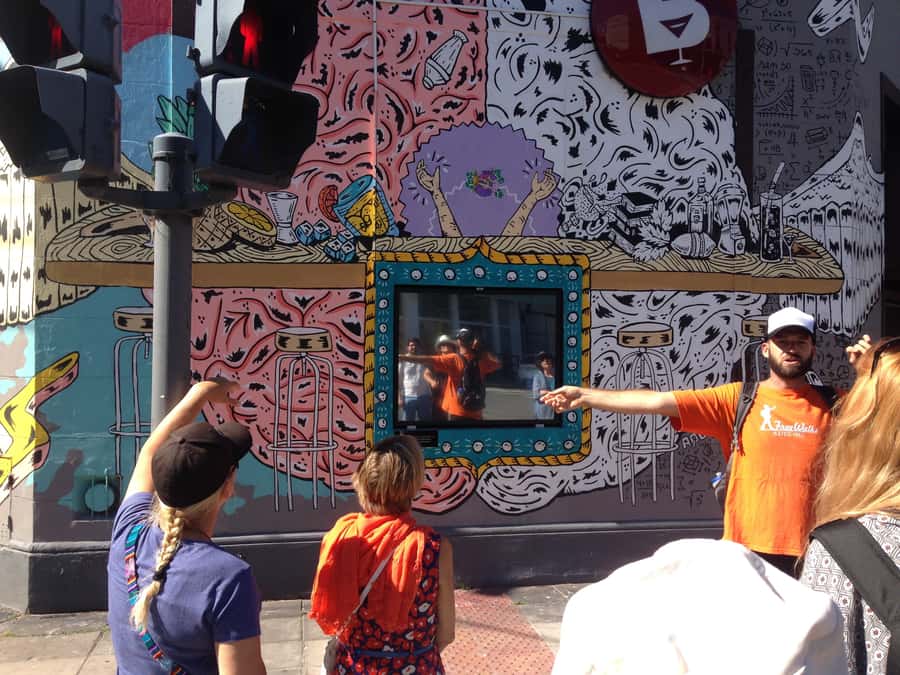
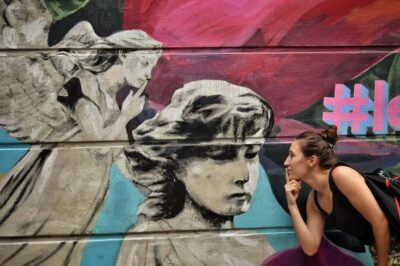
The art itself provides plenty of variety. You might see large murals, smaller graffiti pieces, football scenes, and more playful images such as butterflies. The styles range from bold public paintings to work that rewards a closer look.
One named highlight is the Trump Wall at Madison Avenue Bar. It is an easy photo target and gives the tour a contemporary reference point among the older political material. You will have a chance to take pictures, but remember that street art changes. Paint fades, walls are covered, and pieces may not remain in exactly the same condition.
The football imagery is also worth paying attention to. Argentina’s football culture is not simply a side subject in the city. It often appears in public art as a statement of loyalty, pride, and local identity. A guide may use those images to explain both sports culture and wider ideas about Argentina.
This is one reason the tour can suit people who do not think of themselves as art fans. The route is also about citizens, neighborhoods, political movements, and everyday identity. Art provides the doorway.
How the two-hour route feels on foot
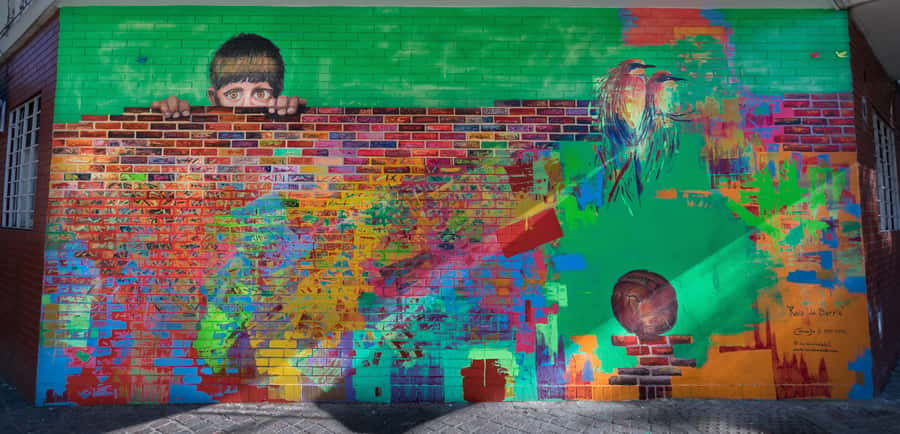
Two hours is a sensible length for this subject. It gives the guide enough time to explain the political background without turning the outing into a full-day commitment. It also leaves room for photographs and questions.
The walk is paced through Palermo streets, with the finish at Plaza Inmigrantes de Armenia. You are not left at the same starting point, so think about what you want to do next. The ending works well if you plan to continue exploring Palermo, but it is less convenient if you need to return immediately to Plaza Serrano.
Group size can affect the experience. One booking described a large group that was still well managed, with everyone able to hear. Another praised the guide’s ability to keep the group together despite its size. That is reassuring, though a big group can still make photographs and close looks at small pieces less relaxed.
A quieter group may give you more time to ask about individual artists. A larger group may bring more energy but require you to stay close to the guide. If you are short, hard of hearing, or prefer intimate tours, stand near the front and let the guide know if you cannot hear.
The guides make the difference
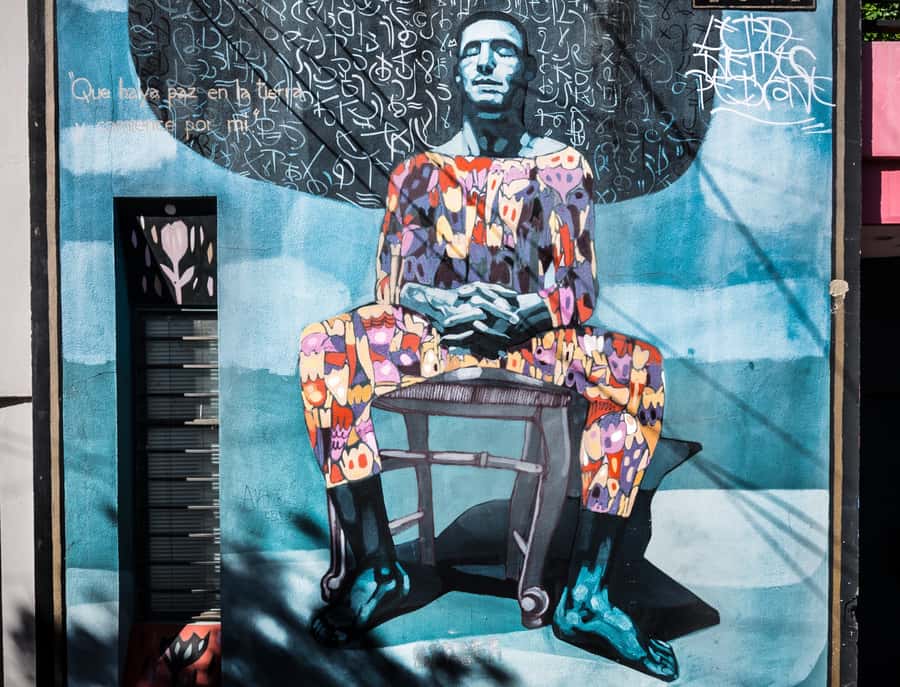
The strongest feature of this experience is the guide-led storytelling. Several guides are associated with the route, including Juan, Vito, Victor, Ailen, Aylen, and Elina. Their styles differ, but the consistent pattern is clear: expect a guide who explains the art while adding local history, humor, and personal enthusiasm.
Juan is particularly associated with warmth, comedy, and pride in Argentina. He also answers questions about Buenos Aires after the walk, which is useful if you are still finding your way around the city. One person enjoyed his Palermo tour enough to book another walk in San Telmo.
Vito is described as energetic and deeply interested in the artists and culture behind the work. His strength appears to be connecting individual murals with broader ideas about street art, sports, and politics.
Victor is praised for his passion and ability to make the subject fun. Ailen and Aylen are also noted for clear explanations and a friendly manner. Elina has been singled out for keeping the group interested while covering both art and Buenos Aires.
You cannot choose your guide from the information provided, so book this for the format and subject rather than for one specific person. Still, the repeated praise for enthusiasm, clarity, and humor suggests that the human side of the tour is a major part of its value.
What $13 gets you
At $13 per person, this is inexpensive for a two-hour English walking tour in Palermo. The value comes from access to places and details you might miss on your own. Street art is often spread across side streets, and the most interesting story is not always written beside the mural.
You are paying for route-finding, interpretation, historical context, and the chance to ask questions. You are not paying for food, drinks, transport, or a private group. That keeps the cost low, but it also means you should plan the surrounding parts of your day yourself.
For an art-minded visitor, the price is easy to justify. It is also a good choice for a first afternoon in Palermo because it gives you a visual introduction to the neighborhood while pointing out themes you can recognize later.
The value is less certain if you dislike walking tours, want a museum-style presentation, or expect a long list of famous artists and formally labeled works. This is a street experience, so the material can change and the route may depend on what is currently visible.
Practical details that matter
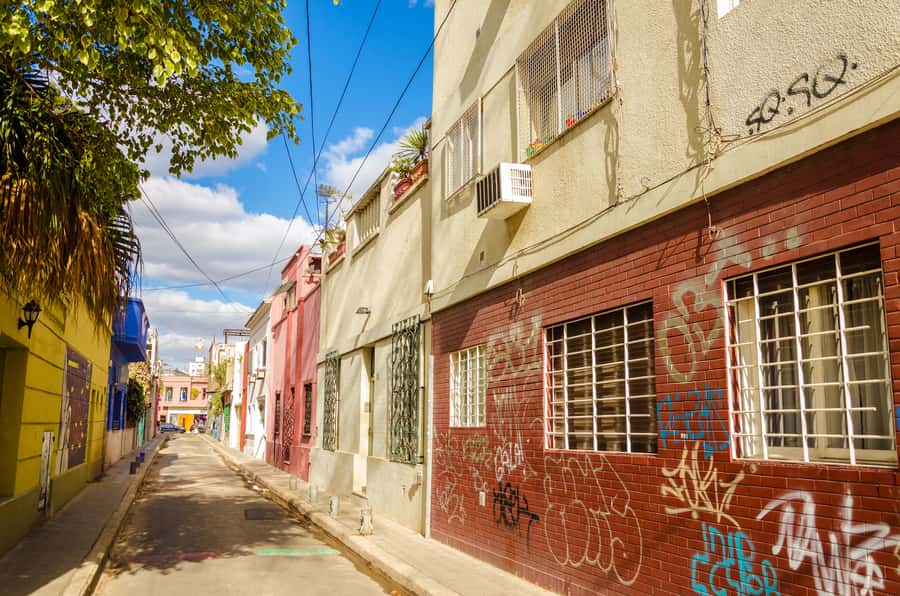
The tour is offered in English with a live guide. It lasts two hours, and starting times vary, so you need to check availability for your chosen date.
The walk is wheelchair accessible. The tour runs even when it rains, so bring suitable clothing rather than assuming poor weather will cancel it. Rain may affect photographs and the comfort of a street-based experience, but the route itself continues.
Free cancellation is available up to 24 hours before the start for a full refund. You can also reserve now and pay later, which helps if your Buenos Aires plans are still shifting.
Wear comfortable shoes and keep your camera ready. You will spend the entire time outdoors, and the best details may appear on walls that do not look important at first glance.
Who should book this Palermo walk?
I would suggest it to you if you enjoy cities through public art, want a short cultural activity, or prefer local history delivered in a relaxed way. It suits first-time visitors who want an introduction to Palermo and repeat visitors who would like to see the neighborhood from a different angle.
It is also a good fit for people interested in politics, protest movements, football culture, or the practical side of how street art is made. The discussion of aerosol paint and the 1970s gives the walk more substance than a simple mural-spotting route.
Families with older children may enjoy the pictures and stories, though the historical material about military government and social conflict may need some explanation. Art students and photographers should find plenty to examine, but anyone hoping for a formal gallery tour should choose a different activity.
The main drawback is the possibility of a large group. You may have to stay close, listen carefully, and wait your turn for the best view. The tour also does not promise a fixed list of artists or murals, so you should expect a changing street scene rather than a perfectly repeatable route.
Should you book the Palermo graffiti tour?
Yes, if you want a low-cost way to understand how Argentine politics, protest, football, and public art meet on Palermo’s walls. The two-hour length is manageable, the starting point is easy to find, and the English-speaking guides bring enough humor and personality to keep the historical material moving.
I would book it early in a Buenos Aires stay. Afterward, you will have a better eye for the city’s painted messages and a useful sense of how public art can carry memory and conflict.
Skip it if you want indoor comfort, a private guide, or a guaranteed collection of famous murals. For everyone else, the combination of strong storytelling, unusual subject matter, and a $13 price makes this one of Palermo’s better-value walking activities.
FAQ
Where does the Palermo graffiti tour begin?
The tour begins at Plaza Serrano, also called Plaza Cortazar, at the corner of Jorge Luis Borges and Honduras streets. Look for the guide in an orange shirt near the large PALERMO sign.
Where does the tour finish?
The walking tour finishes at Plaza Inmigrantes de Armenia.
How long does the street art tour last?
The tour lasts two hours.
Is the tour conducted in English?
Yes. It includes a live English-speaking guide.
Is the tour wheelchair accessible?
Yes, the activity is listed as wheelchair accessible.
Does the tour operate in the rain?
Yes. The tour still takes place when it rains, so bring suitable weather protection.
Just added around Buenos Aires
- Unique Tigre and Delta Private Day Cruise Navegation★ 5.0 · 3 reviews
- Buenos Aires: Customizable City Tour in Polish★ 4.7 · 3 reviews
- Velez Sarsfield Football Match★ 5.0 · 3 reviews
- Tango Show at: MichelAngelo★ 4.5 · 3 reviews
- Enjoy a Rural Experience in a Vineyard near Buenos Aires★ 4.7 · 3 reviews
- Guided tour Boca Juniors Museum & Stadium + Caminito★ 3.3 · 3 reviews
- From Colonialism to Eclecticism, Buenos Aires arquitectonica★ 5.0 · 3 reviews
- Buenos Aires: Private City Tour by Car with Hotel or Pickup★ 5.0 · 3 reviews
Palermo Tours, compared.
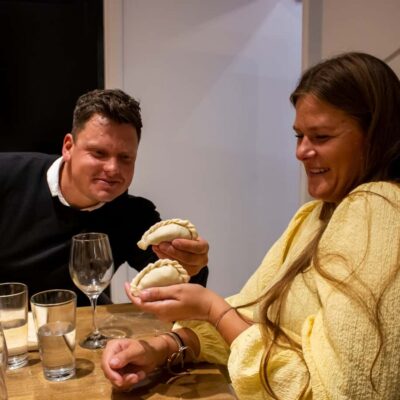

BA: Empanadas and Alfajores Cooking Experience in Palermo
Read our review →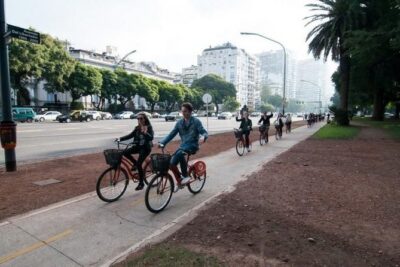
Buenos Aires Bike Tour: North Districts, Recoleta and Palermo
Read our review →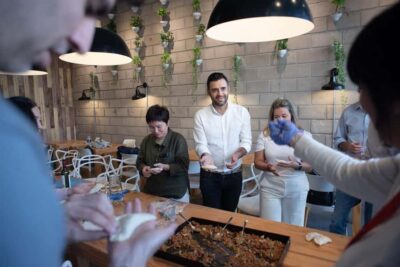
Argentinian Empanadas Cooking Experience in Palermo, Bs As
Read our review →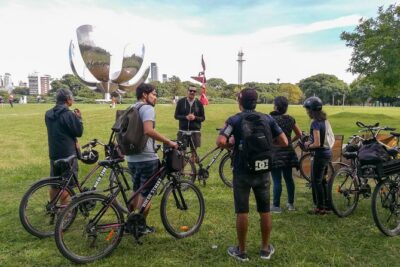
Cultural Experience by Bike around Palermo and Recoleta Max 6 ppl
Read our review →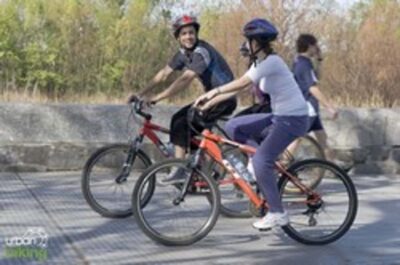
Browse the lists this tour appears in