
Reviewed · BUENOS AIRES FOOD TOURS
Buenos Aires: Mate Workshop y Otras Yerbas
Mate is not simply a drink in Argentina. It is a social ritual, a household welcome, and a small daily ceremony that says, sit down, stay awhile. This one-hour workshop with Vale and Juli of Carpincha gives you a friendly way into that custom, with stories, tasting, and hands-on brewing rather than a quick explanation from the sidelines.
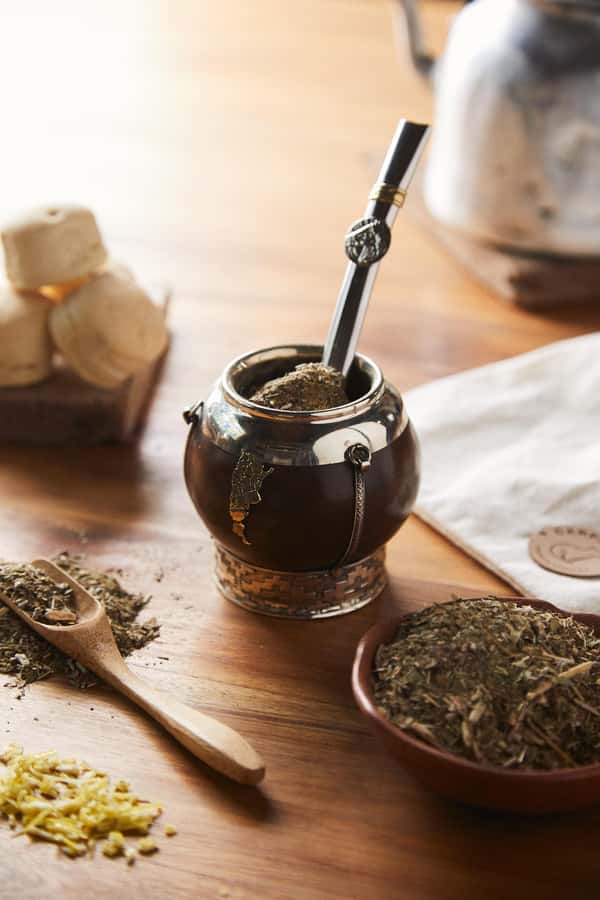
I like two things right away: you taste four types of yerba mate, and each person receives a mate to use during the meeting. The pastries matter, too. Medialunas, biscochitos, and alfajores turn the tasting into a shared Argentine snack, not a technical lesson. The main drawback is the short 60-minute schedule, so this is an introduction rather than a long, leisurely afternoon.
In This Review
- Key points to know before booking
- Why mate makes a useful first taste of Argentina
- Meeting Vale and Juli in Recoleta
- The first lesson: mate is more than an infusion
- Comparing four types of yerba mate
- Preparing your own mate, one step at a time
- Medialunas, biscochitos, and alfajores on the table
- What the hour feels like in practice
- Is $50 a fair price?
- Who will enjoy this mate workshop most?
- Booking, cancellations, and practical details
- Should you book Carpincha’s mate experience?
- FAQ
- Where does the mate workshop take place?
- How long does the experience last?
- What languages are available?
- How many types of yerba mate will I taste?
- Are pastries included?
- Can I cancel for a full refund?
Key points to know before booking
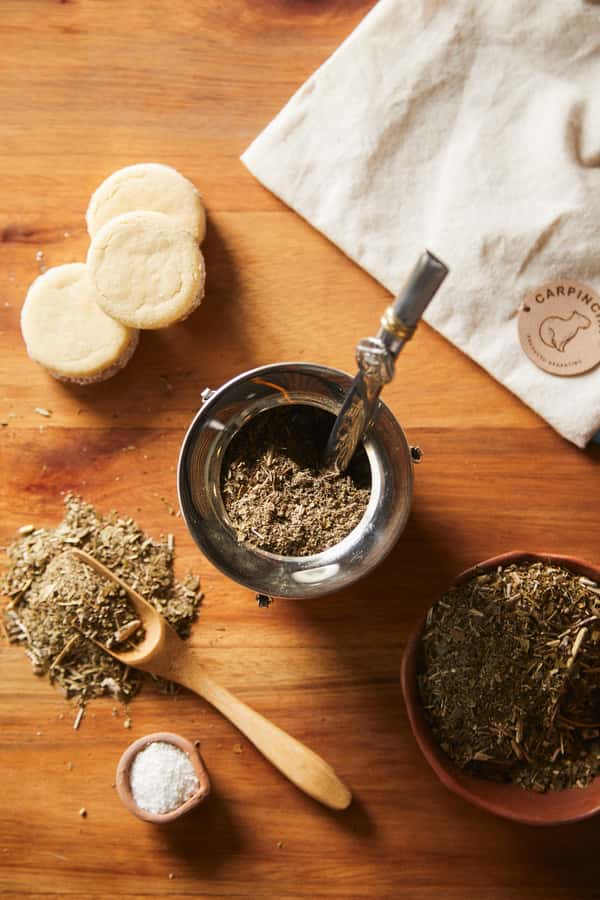
- Four yerbas to compare: Taste different styles while learning about cultivation, production, varieties, and flavor combinations.
- A real brewing lesson: Use your own mate during the workshop and learn the basics of preparing it well.
- Stories behind the ritual: Vale and Juli explain myths, legends, family customs, and mate’s role in national identity.
- Classic Argentine pastries: Medialunas, alfajores, and biscochitos accompany the tasting.
- Convenient Recoleta setting: Meetings take place in Buenos Aires’ Recoleta area, with no transportation included.
- English or Spanish instruction: The activity is wheelchair accessible and lasts 60 minutes.
Why mate makes a useful first taste of Argentina
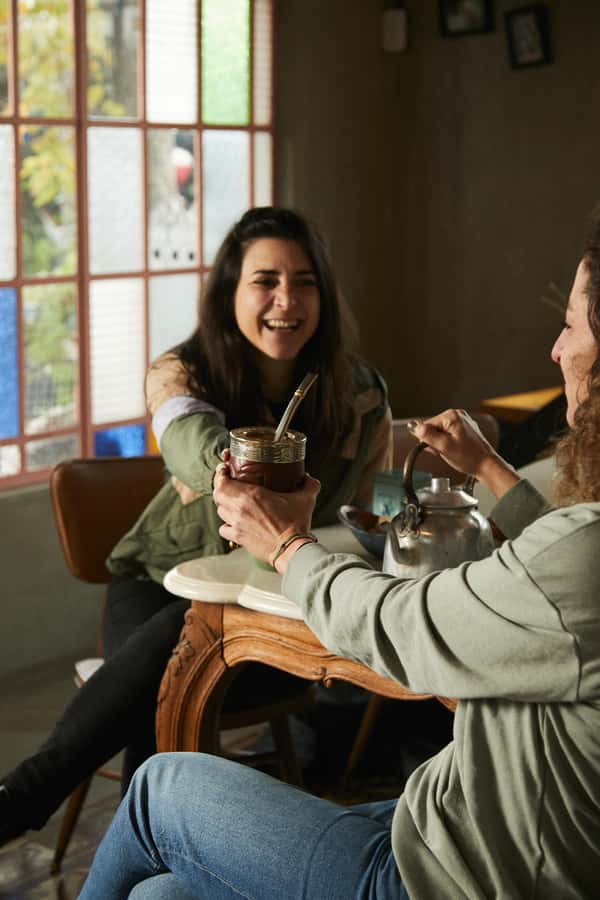
If you have seen Argentines carrying a gourd and thermos but never understood the ritual, this workshop fills in the missing pieces. Mate is passed around among friends and family, and the act of preparing and sharing it carries social meaning. You are learning a drink, but also a small piece of how people connect.
The workshop treats mate as an everyday custom rather than an exotic object. That distinction is important. You will hear about its origin, cultivation, production, and place in Argentine life, while also learning the practical details that can make the difference between a pleasant mate and a bitter, badly prepared one.
Carpincha presents the session as a poetic experience about customs and rituals. That means you can expect personal stories and anecdotes alongside the factual material. The hosts aim to show why mate matters emotionally, not just how the yerba is processed.
This is especially useful early in your Buenos Aires visit. Once you understand the ritual, you will recognize it in parks, homes, workplaces, and social gatherings. You will also have a better sense of why an Argentine host may offer you some mates as naturally as another host offers coffee.
More eating your way around Buenos Aires:
- Buenos Aires: 9-Course Argentine Meat Tasting at Fogón Asado
★ 4.9 · 826 reviews - Buenos Aires: Local Foodie Adventure with Sherpa Food Tours
★ 4.9 · 670 reviews - Buenos Aires: Empanadas and Alfajores Guided Cooking Class
★ 4.8 · 486 reviews
Meeting Vale and Juli in Recoleta
The meetings take place in Recoleta, one of Buenos Aires’ best-known areas, but transportation to the meeting point is not included. You will need to make your own way there, so check the starting point and allow enough time before the scheduled session.
The language options are English and Spanish. The hosts are Vale and Juli, also referred to as Julieta in the personal feedback about the experience. One especially useful detail is that the hosts are prepared to answer questions clearly, so you do not need prior knowledge of mate culture to take part.
The setting is designed for conversation and participation. This is not a bus tour or a large-scale demonstration where you watch from a distance. The focus is on sitting together, asking questions, tasting, and learning by doing.
The activity is wheelchair accessible. Some material is presented in its original language, so English-speaking participants may occasionally encounter Spanish terms or expressions connected to the ritual. That can add useful local color, but it is worth knowing if you prefer every part of an activity to be fully translated.
The first lesson: mate is more than an infusion
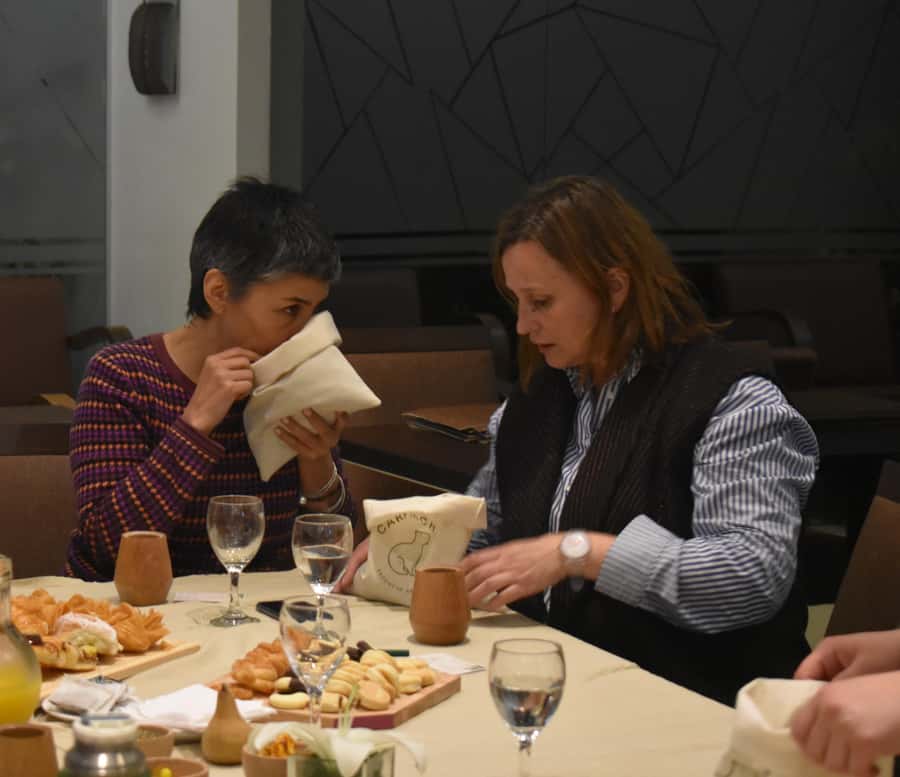
The workshop begins with the cultural background. You will learn why mate is tied so closely to Argentine identity and how it became part of ordinary social life.
Expect discussion of history, myths, legends, and family anecdotes. These details give the drink some context. Without them, tasting several yerbas could feel like comparing tea leaves. With them, the differences become part of a larger story about hospitality, routine, and shared time.
The hosts also explain the origins of yerba mate and how it is cultivated and produced. The description does not promise a farm visit or a factory tour, so you will learn about these stages through the workshop rather than seeing them in person.
I appreciate this balance. A practical tasting tells you what you are drinking, while the cultural stories explain why people care about it. The best part of the session is likely to be the connection between those two sides.
You may also hear tips about the unspoken rules around sharing mate. Since the activity focuses on customs and rituals, it gives you a safer footing for accepting or preparing mate later in Argentina. You do not have to pretend you already know what to do.
Comparing four types of yerba mate
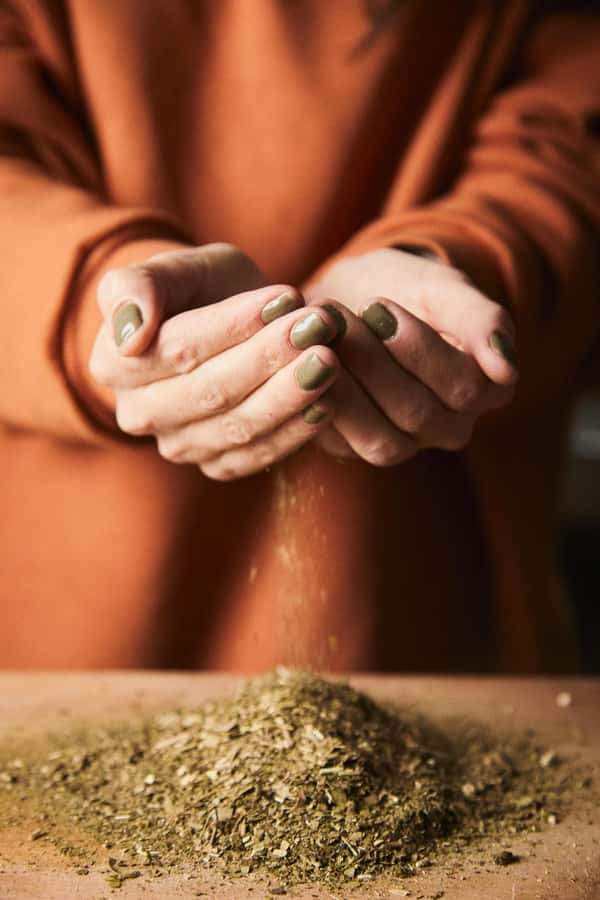
The tasting is the heart of the workshop. You will try four types of yerba mate, with attention to variety, cultivation, production, and possible flavor combinations.
That number is large enough to show that yerba is not one uniform product, but small enough to handle in a one-hour class. You will be able to compare what changes from one type to another instead of forming an opinion from a single cup.
The exact brands and flavor profiles are not specified, so do not book this expecting a fixed menu of named products. The value is in guided comparison. Pay attention to the differences the hosts point out, and ask which style may suit a newcomer or someone who prefers a stronger or softer taste.
The inclusion of possible herbs and flavor combinations adds another useful layer. Mate can be prepared in different ways, and you will have a chance to consider how added herbs affect the experience. The session is not described as a full herbal medicine class, so the focus remains on taste and tradition.
For someone who rarely drinks mate, four samples may be enough. You can learn what you like without buying several packages on your first day. For a dedicated mate drinker, the tasting may feel brief, but the cultural stories and brewing practice still give the hour purpose.
A few more Buenos Aires outings worth weighing up
- Buenos Aires: Private Tango Lesson
★ 4.9 · 244 reviews - Buenos Aires: Empanada & Alfajor Cooking Lesson in Palermo
★ 4.6 · 186 reviews - Tango Porteño Show with Optional Dinner and Tango Lesson
★ 4.0 · 97 reviews - Buenos Aires – Private Tango lesson
★ 5.0 · 96 reviews
Preparing your own mate, one step at a time
Each person receives one mate to use during the meeting. This is more than a souvenir-style extra. It lets you practice the basic preparation yourself instead of watching Vale and Juli do everything.
You will learn how to brew your own mate and pick up tips for making a better cup. The supplied details do not list every brewing step, so the hosts’ live explanation is where you will get the practical guidance. Listen closely and ask questions, especially if you are unsure about the order of preparation or how to combine yerba with other herbs.
The hands-on part also makes the ritual less intimidating. Mate has tools and habits that can seem mysterious when you first see them. Using the mate yourself helps turn those details into a simple sequence.
I would treat this as a starter lesson, not a professional tasting course. The one-hour duration leaves room for instruction, samples, stories, and food, but not for repeated practice over a long session. Still, you should leave with enough understanding to recognize the basics and try preparing mate again.
The workshop also gives you a way to think about mate socially. This is not only about getting the water temperature or yerba balance right. It is about preparing a drink that is meant to be shared, with the host managing the round and passing it along.
Medialunas, biscochitos, and alfajores on the table
The pastries are a small but important part of the experience. You will share medialunas, biscochitos, and alfajores, three familiar Argentine treats that make the tasting feel more like a visit than a classroom.
Medialunas are Argentine-style crescent pastries. Biscochitos are small biscuits often associated with everyday snacking, and alfajores are filled cookies with a special place in Argentine food culture. The supplied information does not specify exact fillings or quantities, so consider them a tasting accompaniment rather than a full meal.
The food also helps balance the earthy, herbal character of mate. If you are new to the drink, having something sweet or buttery alongside it makes the session more comfortable. It gives you a second point of comparison as the yerbas change.
One of the strongest parts of the experience is this pairing of ordinary food and ordinary ritual. You are not being presented with mate as a rare museum piece. You are seeing how it fits into the kind of relaxed sharing that happens in an Argentine home.
The pastries may also appeal to people in your group who are less interested in the technical side of yerba. Everyone has something to taste, and the conversation can move between food, culture, and brewing.
What the hour feels like in practice
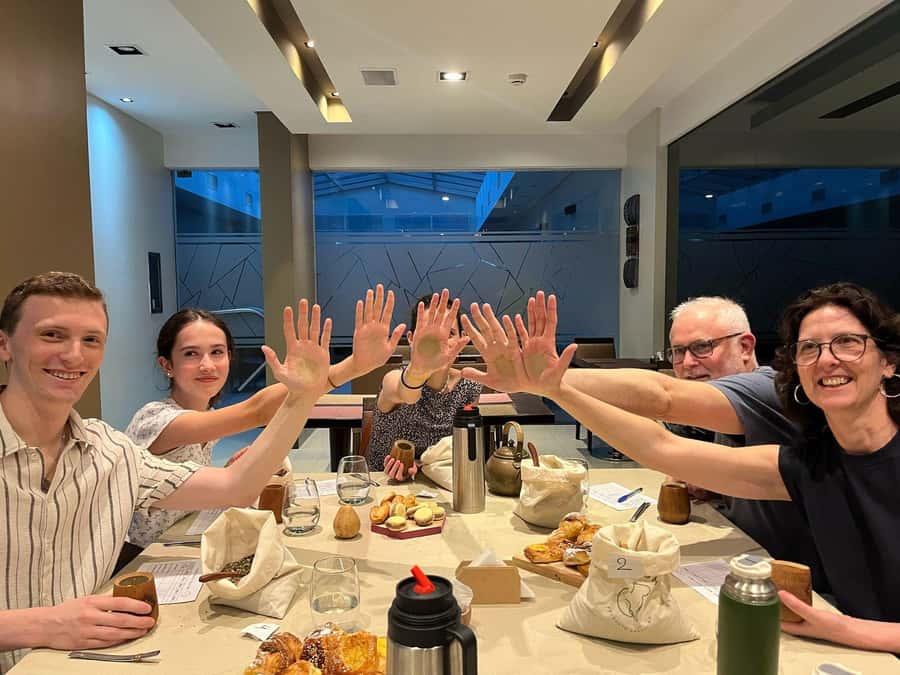
The experience is scheduled for 60 minutes, so expect a compact program with little wasted time. A likely flow is an introduction to mate culture, an explanation of yerba’s origins and production, tasting four varieties, hands-on brewing, and pastries shared throughout the conversation.
The precise order may vary. The hosts have room to respond to questions, and that can be a strength. If your group is curious about family customs or myths, the discussion may lean more toward stories. If participants want brewing advice, more time may go to preparation.
That flexibility is useful, but the short schedule creates a clear limit. You will not cover every regional variation or become an expert in one sitting. You may also wish for more time to compare the four yerbas slowly.
I would arrive ready to participate rather than simply listen. Ask about the differences between the samples, take note of the preparation tips, and use the mate provided for you. The value of the experience comes from the exchange with Vale and Juli, not from collecting facts as quickly as possible.
The tone is intended to be intimate and welcoming. Personal feedback about the session highlights the hosts’ clarity, enthusiasm, kindness, and empathy. That combination matters in a cultural workshop because beginners often hesitate to ask basic questions. You should feel free to say that you have never tried mate before.
Is $50 a fair price?
At $50 per person, this is not the cheapest way to drink yerba mate in Buenos Aires. You could certainly find a cafe drink for far less. The price makes more sense when you count the guided lesson, four yerba tastings, a mate for each participant to use, pastries, and the cultural explanation.
You are paying for access to a focused introduction led by people who know how to explain the subject clearly. The session also saves you from buying several kinds of yerba without knowing what you are choosing or how to prepare them.
For a visitor who values food and culture, the cost is reasonable if the group is small and engaged. The activity combines a tasting, a short workshop, and a cultural conversation in one hour. It is particularly useful for someone who wants context, not just a beverage.
The value is weaker for someone looking only for a free sample or a long hands-on class. The session is short, and the details do not promise a take-home package of yerba or a separate mate as a gift. You receive a mate to use during the meeting, which is helpful, but confirm the exact arrangement if you are booking mainly for a souvenir.
Who will enjoy this mate workshop most?
I would recommend it to first-time mate drinkers, food-focused visitors, couples, solo visitors who enjoy conversation, and anyone curious about Argentine customs. The English and Spanish options make it accessible to a wider range of participants.
It also suits people who want an activity that does not require a full day. At one hour, you can fit it between sightseeing in Recoleta and other Buenos Aires plans. Since no transportation is included, it works best if you are already planning to be in or near that area.
Families and mixed-interest groups may find the pastries useful, since not everyone has to be fascinated by yerba production. The accessible venue is another practical advantage for visitors who need wheelchair access.
I would be more cautious if you want a detailed agricultural tour, a long food crawl, or a serious professional tasting. None of those is promised. This is a warm, compact introduction to a national ritual, with enough practical instruction to help you continue exploring on your own.
Booking, cancellations, and practical details
The activity lasts 60 minutes, and you should check availability for the specific starting time. Meetings take place in Recoleta, and you arrange your own transportation to the meeting place.
You can reserve now and pay later, which keeps your plans flexible. Free cancellation is available up to 24 hours in advance for a full refund. That policy is useful when your Buenos Aires schedule is still shifting.
Instruction is offered in English and Spanish. Some content may appear in its original language, so English-speaking participants should expect some Spanish cultural terms. Weapons, sharp objects, alcohol, and drugs are not allowed.
The current score is 5 out of 5 from three verified bookings. The praise centers on clear answers, high-quality herbs, delicious pastries, and the hosts’ warm, communicative approach. Those are the points I would weigh most heavily because they match the actual purpose of the experience: understanding mate while sharing it in a friendly setting.
Should you book Carpincha’s mate experience?
Book it if you want a short, personal introduction to Argentine culture and like the idea of learning through tasting, stories, and food. The four yerbas give the session substance, while the mate and pastries keep it relaxed.
Skip it if you want a farm visit, a long workshop, or a full meal. The 60-minute format is focused and convenient, but it cannot cover every part of mate culture in detail.
For most first-time visitors, the experience offers a useful cultural key. Afterward, mate will look less like a strange green drink and more like what it is in Argentina: a reason to pause, share, and keep the conversation going.
FAQ
Where does the mate workshop take place?
The meetings take place in the Recoleta area of Buenos Aires Province, Argentina. Transportation to the meeting place is not included.
How long does the experience last?
The workshop lasts 60 minutes, or one hour.
What languages are available?
The instructor-led experience is available in English and Spanish. Some content is shown in its original language.
How many types of yerba mate will I taste?
You will taste four types of yerba mate and learn about variety, cultivation, production, and possible herb combinations.
Are pastries included?
Yes. The experience includes typical Argentine pastries such as medialunas, alfajores, and biscochitos.
Can I cancel for a full refund?
Yes. You can cancel up to 24 hours in advance for a full refund. You can also reserve now and pay later.
Just added around Buenos Aires
- Unique Tigre and Delta Private Day Cruise Navegation★ 5.0 · 3 reviews
- Buenos Aires: Customizable City Tour in Polish★ 4.7 · 3 reviews
- Velez Sarsfield Football Match★ 5.0 · 3 reviews
- Tango Show at: MichelAngelo★ 4.5 · 3 reviews
- From Colonialism to Eclecticism, Buenos Aires arquitectonica★ 5.0 · 3 reviews
- Enjoy a Rural Experience in a Vineyard near Buenos Aires★ 4.7 · 3 reviews
- Guided tour Boca Juniors Museum & Stadium + Caminito★ 3.3 · 3 reviews
- Buenos Aires: Private City Tour by Car with Hotel or Pickup★ 5.0 · 3 reviews
Buenos Aires Food Tours, compared.
Buenos Aires Food Tour: Local Dishes, Steak, Empanada & More
Read our review →
BA: Empanadas and Alfajores Cooking Experience in Palermo
Read our review →
Historical Guided Tour with Street Food & Drinks
Read our review →Browse the lists this tour appears in