
Reviewed · PALERMO TOURS
Buenos Aires: Empanada & Alfajor Cooking Lesson in Palermo
Argentina’s best food lesson may be the one that teaches two everyday favorites at once: savory empanadas and dulce de leche alfajores. In a 150-minute class in Palermo, you work with the dough, fold the famous repulgue, bake cookies, and sit down to eat what you made.
I like the hands-on format, especially because the class does not stop at a cooking demonstration. I also like the cultural side: mate tea, local ingredients, and conversation with a native instructor such as Carolina, Tomas, Catalina, or Paulina. The main consideration is that some steps may be demonstrated rather than handled by every person, especially in a family group.
In This Review
- Key details before you book
- Starting in Palermo with dough, filling, and local stories
- Folding Argentine empanadas by hand
- Baking alfajores with dulce de leche
- Mate tea and the Argentine social table
- What the 150-minute schedule means for you
- How much value you get for $49
- Who will enjoy this Palermo cooking class most
- Practical details for arrival and access
- Should you book the empanada and alfajor lesson?
- FAQ
- Where does the cooking class take place?
- How long does the experience last?
- What food will I make?
- Are vegan empanadas available?
- Is mate tea included?
- Are ingredients included?
- Is hotel pickup provided?
- What languages are offered?
- Is the class wheelchair accessible?
- Can I cancel my booking?
Key details before you book
- Two Argentine staples in one class: Prepare empanadas and dulce de leche alfajores during a single 150-minute session.
- Meat and vegan choices: The empanadas can be prepared with a meat filling or a vegan option.
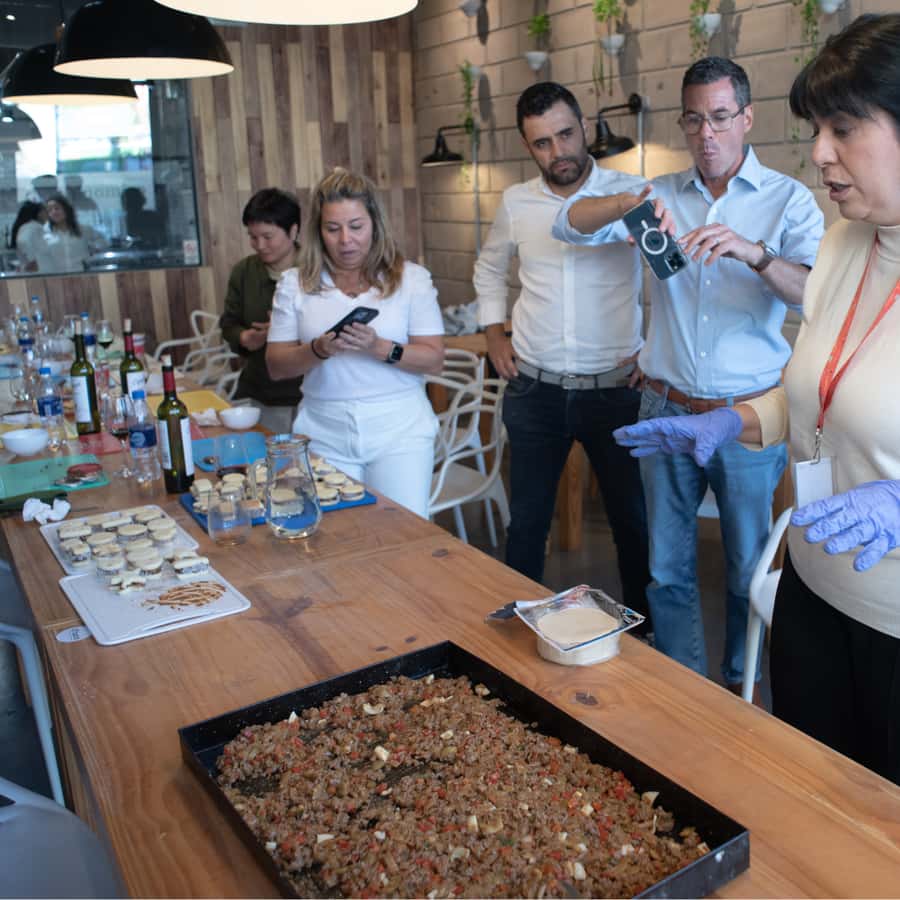
- Actually hands-on: You mix, shape, fold, bake, and assemble rather than simply watch a chef work.
- A social Argentine touch: Mate tea and cultural conversation give the lesson more local flavor than a standard cooking class.
- Useful for families: The activity is designed for children and adults, with an easy pace and active guidance.
- Central Palermo meeting point: Meet at Gorriti 4882 or 4886 in Palermo, Buenos Aires. Check your booking confirmation for the exact number.
Starting in Palermo with dough, filling, and local stories
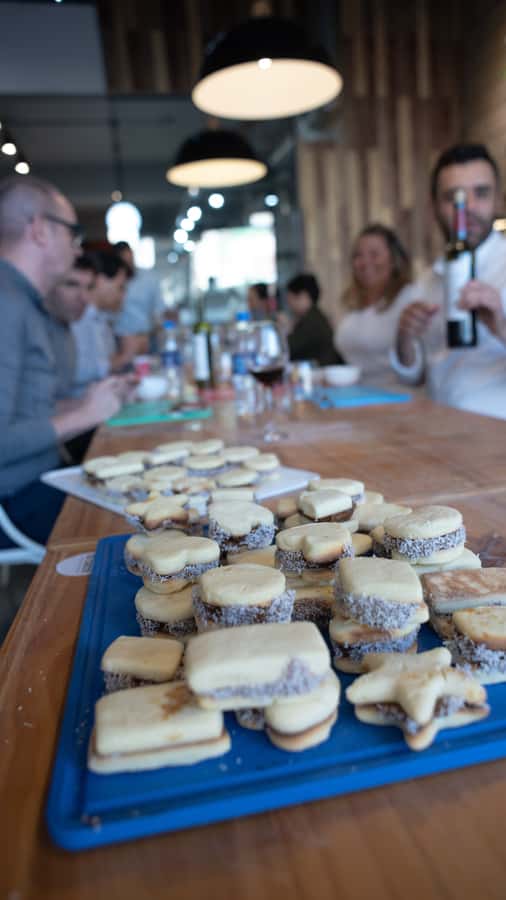
The class takes place in Palermo, one of Buenos Aires’ most popular areas for eating, shopping, and evening walks. You make your own way to the meeting point on Gorriti Street, since hotel pickup and drop-off are not included.
Once you arrive, the instructor introduces the ingredients and explains why empanadas matter so much in Argentina. They are not just a restaurant item. They are practical food for family meals, gatherings, celebrations, and quick bites, with fillings and folding styles that can change from one region or household to another.
The language choice helps make the activity accessible. Instruction is offered in English, Spanish, and Portuguese. The hosts named in the feedback include Carolina, Tomas, Catalina, Lourdes, Nyla, Paulina, and others, so the exact instructor can vary by date. The consistent point is that you receive guided instruction from a local host rather than following a printed recipe alone.
You may also compare prepackaged empanada dough with freshly made dough. That is a useful detail for home cooks. It shows the difference between making the dish from scratch and using the shortcut many people will actually choose after returning home.
More of Palermo:
- Palermo: Graffiti and Street Art Guided Tour in English
★ 4.8 · 684 reviews - BA: Empanadas and Alfajores Cooking Experience in Palermo
★ 5.0 · 112 reviews - Buenos Aires Bike Tour: North Districts, Recoleta and Palermo
★ 4.5 · 91 reviews
Folding Argentine empanadas by hand
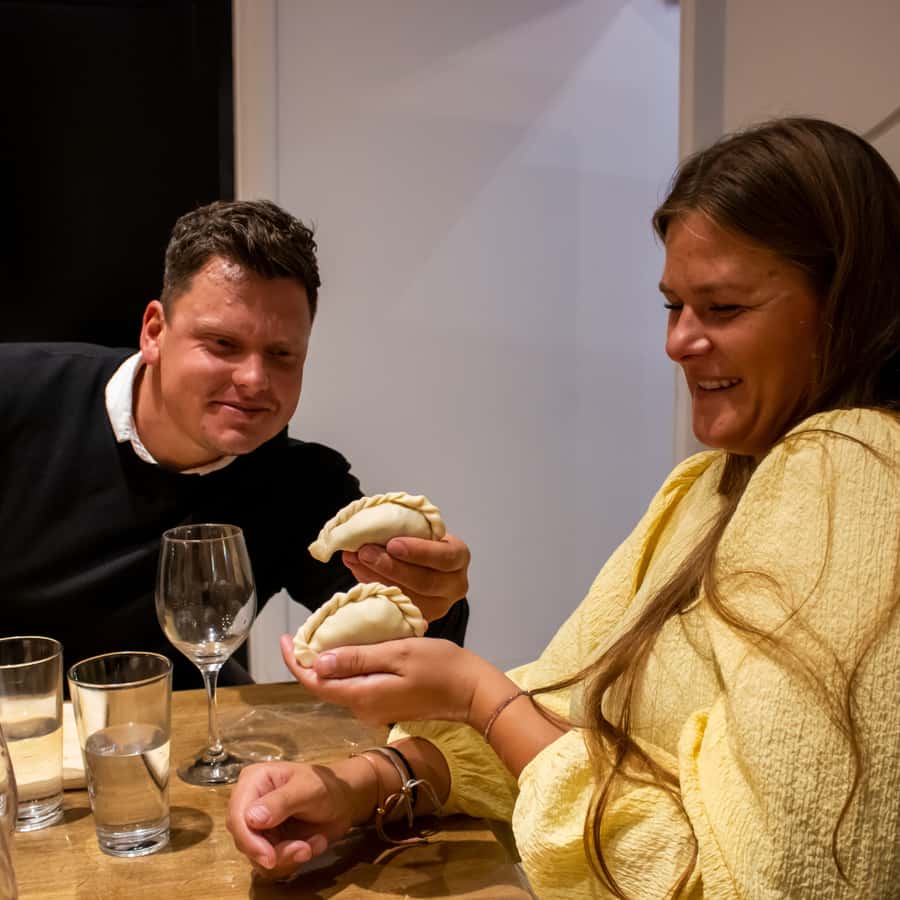
The empanada portion is likely the most active part of the lesson. You work with the filling, place it in the dough, seal the edges, and learn the distinctive fold. That final step looks easy when someone else does it. Your first attempt may have a less tidy pattern, which is part of the fun.
The class includes ingredients for the empanadas, and you can choose between meat and vegan preparations. This makes the lesson more useful for mixed groups, particularly families or friends who do not all eat the same way.
The instructor guides you through the process one step at a time. Several hosts are praised for patience and clear explanations, which matters here because the folding technique can feel fiddly at first. You are not expected to know how to seal an empanada before you arrive.
A practical benefit is portion size. The activity produces enough food to form a proper meal, not just one small sample. After cooking, you eat the empanadas together. Some sessions have also included wine, although wine is not listed as a standard inclusion, so you should not book this class expecting it to be guaranteed.
For children, the folding stage is a good reason to book. It gives them a clear task and a finished item they can recognize as their own work. One family described the class as suitable for children and adults from ages 11 to 48, though the activity data does not set a formal minimum age.
Baking alfajores with dulce de leche
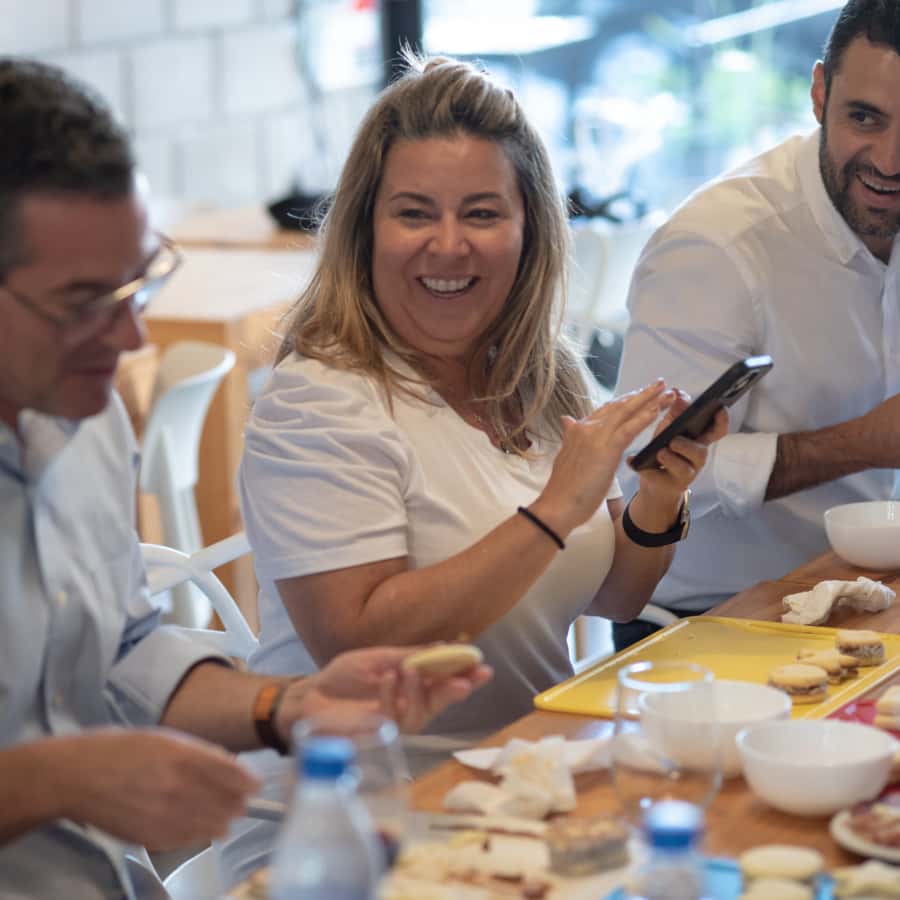
The second recipe shifts from savory cooking to baking. Alfajores are tender Argentine cookies joined with a generous layer of dulce de leche, the thick caramel-like milk spread that appears throughout the country’s dessert culture.
You mix the dough, bake the cookie rounds, and assemble the finished alfajores. The lesson gives you a better sense of texture than simply buying one from a bakery. You learn how the cookies are handled and how the dulce de leche fits into the final construction.
This is also the part that can have the biggest payoff at home. Several people have gone back to their kitchens and taught family members how to make alfajores. The recipe is distinctive enough to become a useful souvenir, and it does not depend on buying a packaged product in Buenos Aires.
The class treats the alfajor as part of Argentine culture, not merely a sweet snack. Your host explains the ingredients and the place these cookies hold in local food habits while you work. For anyone with a strong sweet tooth, this alone may justify the $49 cost.
Mate tea and the Argentine social table
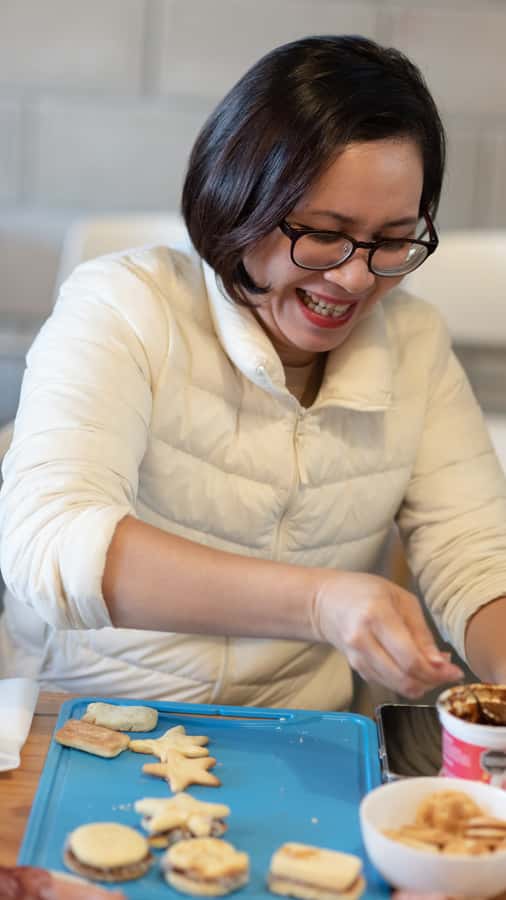
Mate gives the class a cultural layer that many cooking lessons leave out. You have local mate tea while cooking and talking, and the host uses the drink to explain something about Argentine social life.
The value is not just the beverage itself. Mate is a shared ritual, and learning about it while sitting with a local instructor helps connect the food to everyday customs. You are not rushing through a recipe list. The lesson creates space for conversation and questions.
The atmosphere appears to depend on the instructor and the group, but the format is designed to be friendly and social. You cook alongside other people, then share the finished food. That makes this a good choice early in a Buenos Aires visit, when you want an easy way to meet people and start learning how locals eat.
Some sessions have included wine or a small charcuterie board, and one host packed leftovers to take away. These extras are not part of the stated package, so treat them as possible additions rather than promises. The confirmed drink included with the class is mate tea.
More cooking classes in Buenos Aires:
- Buenos Aires: Empanadas and Alfajores Guided Cooking Class
★ 4.8 · 486 reviews - Argentinian Empanadas Cooking Experience in Palermo, Bs As
★ 4.8 · 50 reviews - Private Argentine Cooking Class and Tango Lesson in Buenos Aires
★ 5.0 · 37 reviews - Premium Empanadas Cooking Class & Wine Tasting Experience
★ 4.9 · 35 reviews
What the 150-minute schedule means for you
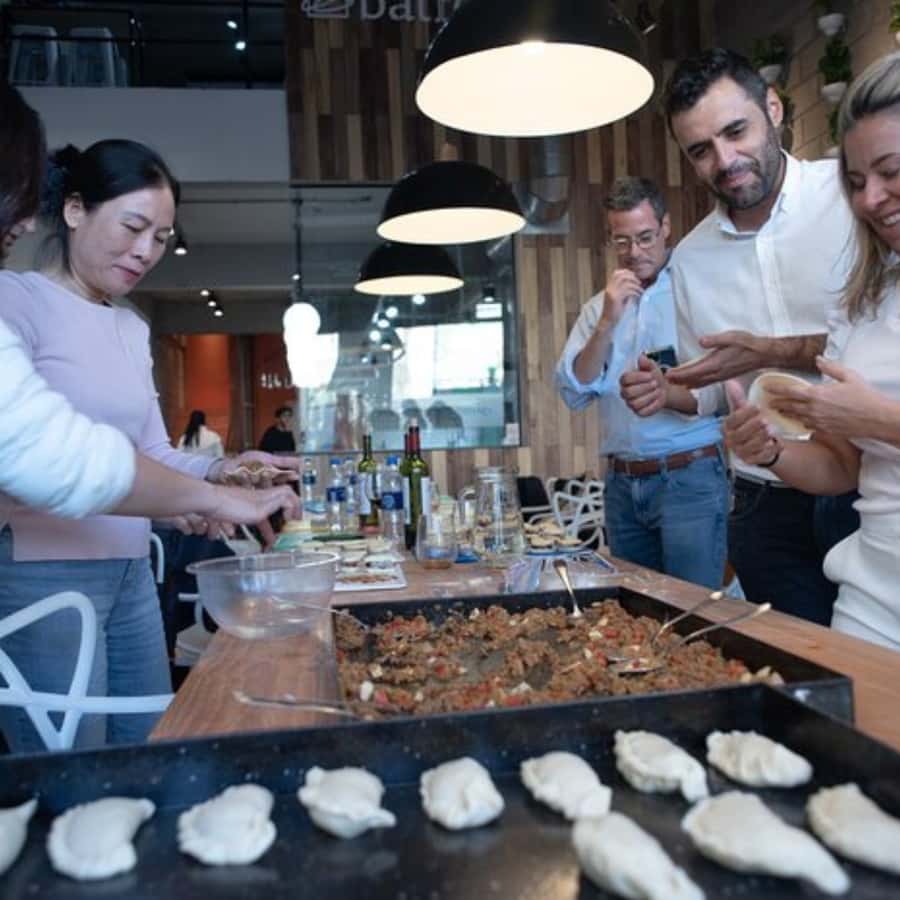
Two and a half hours is a comfortable length for this activity. It gives you enough time to make both dishes without turning the class into a rushed production line.
A typical flow begins with introductions, ingredient explanations, and the empanada preparation. You then shape and fold the empanadas before moving on to the alfajor dough, baking, and assembly. The session ends with time to eat what you have made and continue the cultural conversation.
The exact order may change depending on the group, the kitchen, and the instructor. You should expect a practical lesson rather than a formal chef-school timetable.
The pace works well for beginners. The hosts are there to keep you moving, explain unfamiliar steps, and help if your dough or folding technique needs correction. If you already cook often, you can still pick up useful details, especially from the comparison between fresh and packaged empanada dough.
One small limitation is worth noting. Not everyone may be actively cooking during every stage. One family group would have preferred more people to work at the same time instead of watching a demonstration for some parts. If you want constant knife work and burner time, ask the host how the group will be organized when you arrive.
How much value you get for $49
At $49 per person, the class is not the cheapest way to eat empanadas and alfajores in Buenos Aires. You can buy both foods for less at bakeries and casual restaurants. The comparison is not really about the price of the meal.
You are paying for ingredients, instruction, a local guide, mate tea, use of the cooking space, and the chance to make two recipes yourself. You also finish with practical knowledge you can use after the trip. That makes the price reasonable for people who value participation and cultural context more than a quick meal.
The quantity matters too. The class gives you enough food to feel like you have had lunch or a substantial snack, rather than two tiny tasting portions. Several sessions have been described as producing more than enough to eat.
I would find the price easiest to justify for a family, a couple, or a small group of friends. A solo visitor may still enjoy it, particularly if they like meeting people while cooking, but the social element is a larger part of the value than it would be in a private lesson.
The booking terms also reduce the risk. You can reserve now and pay later, and cancellation is free up to 24 hours before the activity for a full refund. That is useful in Buenos Aires, where your plans may shift with weather, late dinners, or a change in day trips.
Who will enjoy this Palermo cooking class most
This is a strong pick for families with children who can follow basic instructions and take part in simple kitchen tasks. The food is familiar enough to be appealing, and the finished dishes give younger participants a clear reward at the end.
It also suits first-time visitors who want a cultural activity that does not require a full day. You get food, conversation, and a local guide in one compact session. Since the class runs in rain or shine, it is a useful indoor plan when the weather turns wet.
You do not need to be an experienced cook. The instructors work through the steps and help with the empanada fold. At the same time, experienced home cooks are unlikely to be bored, since you can compare dough methods, learn local variations, and take away recipes for later.
Vegetarians and vegans should pay attention to the booking details and tell the provider their preference. A vegan empanada option is available, but the information provided does not specify whether every other ingredient or part of the class is adapted.
This may be less suitable if you want a private class, a fixed instructor, or a highly technical pastry course. The guide can vary, and the experience is built around a shared, social format.
Practical details for arrival and access
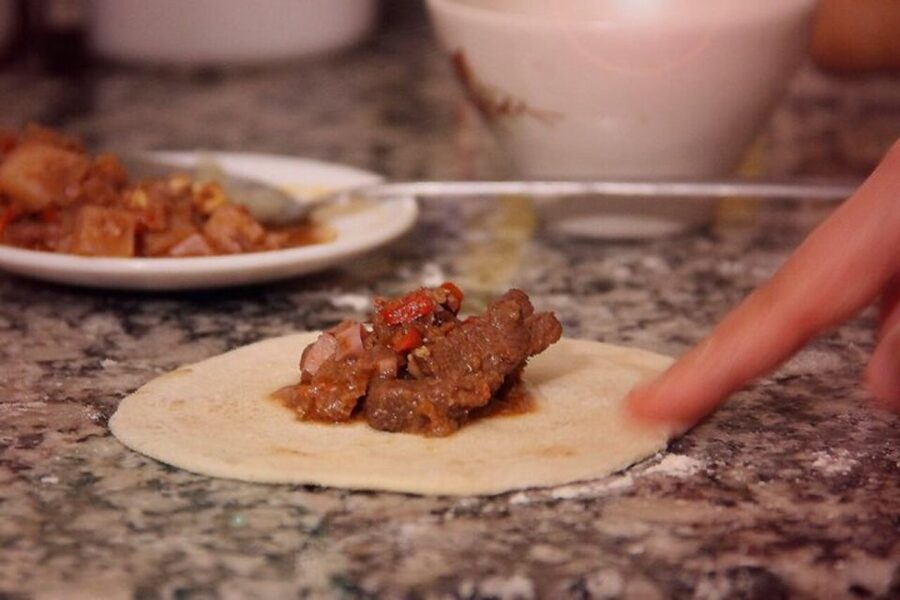
The meeting point is listed as Gorriti 4882, with another instruction giving Gorriti 4886 in Palermo. Because those street numbers differ slightly, check the confirmation you receive before setting out.
Hotel transportation is not included. Plan to reach Palermo independently and allow enough time to find the correct entrance. The activity is indoors and runs in all weather, so rain will not cancel the cooking session.
The experience is wheelchair accessible. If you have specific mobility needs within the cooking space, it is still sensible to contact the provider before booking, since the general accessibility note does not describe the layout or work surfaces.
Instruction is available in English, Spanish, and Portuguese. That makes this a practical option for international groups, and you can choose the language that lets you follow cooking details most easily.
Bring an appetite and a willingness to work with your hands. You do not need to bring ingredients, tea, or cooking equipment, since those are included.
Should you book the empanada and alfajor lesson?
I would book this if you want more than a meal and prefer a relaxed activity with something useful to take home. The combination of empanada folding, fresh dough comparison, alfajor baking, dulce de leche, and mate tea gives the session a clear Argentine identity.
The strongest reason to choose it is the teaching. Hosts such as Carolina, Tomas, Catalina, and Paulina have been singled out for patience, warmth, and clear guidance, though your instructor may be someone else. The food is also substantial, and the session has earned a 4.6 rating from 186 bookings.
Skip it if you would rather spend your time eating in restaurants, or if you need every minute to be fully hands-on. Some preparation may be shown to the group instead of completed by every participant. For most families, couples, and curious home cooks, though, $49 buys a pleasant afternoon, a proper meal, and two recipes that can bring a little Buenos Aires to your kitchen.
FAQ
Where does the cooking class take place?
The meeting point is on Gorriti Street in Palermo, Buenos Aires. The listed address is Gorriti 4882, while the know-before-you-go information gives Gorriti 4886. Check your booking confirmation for the exact number.
How long does the experience last?
The cooking class lasts 150 minutes, or two and a half hours.
What food will I make?
You will prepare Argentine empanadas and dulce de leche alfajores. You mix, cook, bake, fold, and assemble the dishes with guidance.
Are vegan empanadas available?
Yes. Meat and vegan empanada options are available.
Is mate tea included?
Yes. Local mate tea is included during the class.
Are ingredients included?
Yes. Ingredients for both the empanadas and alfajores are included.
Is hotel pickup provided?
No. Hotel pickup and drop-off are not included, so you must make your own way to the Palermo meeting point.
What languages are offered?
The live guide can provide the experience in English, Spanish, or Portuguese.
Is the class wheelchair accessible?
Yes. The activity is listed as wheelchair accessible.
Can I cancel my booking?
You can cancel up to 24 hours in advance for a full refund. You can also reserve now and pay later, which keeps your plans flexible.
More Workshops in Buenos Aires
- Buenos Aires: Private Tango Lesson
★ 4.9 · 244 reviews - Tango Porteño Show with Optional Dinner and Tango Lesson
★ 4.0 · 97 reviews - Buenos Aires – Private Tango lesson
★ 5.0 · 96 reviews - Spanish Group Course in Buenos Aires, Argentina: 20 Lessons
★ 5.0 · 72 reviews
More Food Tours in Buenos Aires
- Buenos Aires: 9-Course Argentine Meat Tasting at Fogón Asado
★ 4.9 · 826 reviews - Buenos Aires: Local Foodie Adventure with Sherpa Food Tours
★ 4.9 · 670 reviews - Buenos Aires: Authentic Argentine Asado BBQ with Live Music
★ 5.0 · 178 reviews - Buenos Aires Food Tour: Local Dishes, Steak, Empanada & More
★ 5.0 · 118 reviews
Just added around Buenos Aires
- Unique Tigre and Delta Private Day Cruise Navegation★ 5.0 · 3 reviews
- Buenos Aires: Customizable City Tour in Polish★ 4.7 · 3 reviews
- Velez Sarsfield Football Match★ 5.0 · 3 reviews
- Tango Show at: MichelAngelo★ 4.5 · 3 reviews
- From Colonialism to Eclecticism, Buenos Aires arquitectonica★ 5.0 · 3 reviews
- Enjoy a Rural Experience in a Vineyard near Buenos Aires★ 4.7 · 3 reviews
- Guided tour Boca Juniors Museum & Stadium + Caminito★ 3.3 · 3 reviews
- Buenos Aires: Private City Tour by Car with Hotel or Pickup★ 5.0 · 3 reviews
Palermo Tours, compared.
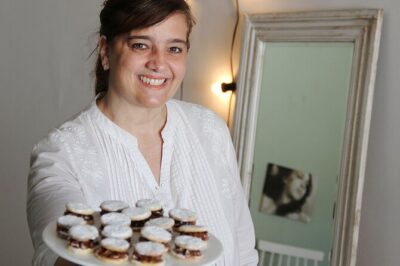
BA: Empanadas and Alfajores Cooking Experience in Palermo
Read our review →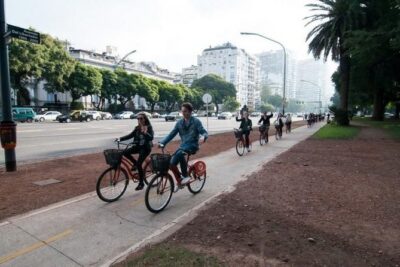
Buenos Aires Bike Tour: North Districts, Recoleta and Palermo
Read our review →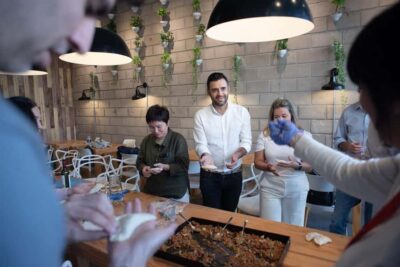
Argentinian Empanadas Cooking Experience in Palermo, Bs As
Read our review →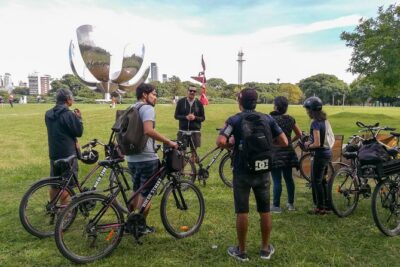
Cultural Experience by Bike around Palermo and Recoleta Max 6 ppl
Read our review →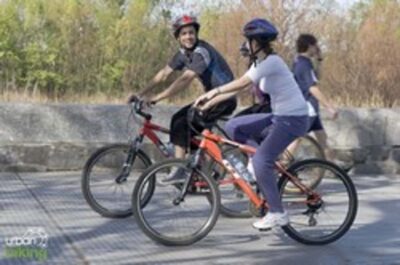
Browse the lists this tour appears in