
Reviewed · PALERMO TOURS
BA: Empanadas and Alfajores Cooking Experience in Palermo
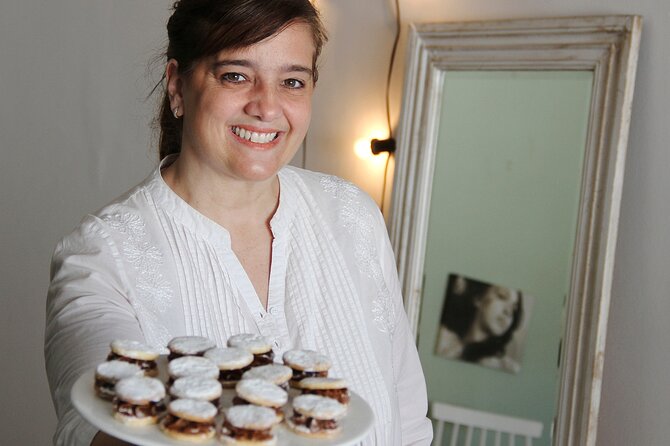
The best part of this Palermo cooking session is that empanadas become a lesson in Argentine family life, not just a recipe. You learn that the fold and shape can show which filling is inside, and you may hear stories of grandmothers making sure nobody sneaked a taste before dinner. I like the hands-on format and the useful recipes sent to you afterward. I also like that meat and vegan fillings are available.
The main thing to understand is that this is a relaxed food workshop, not a serious chef-training course. Most of the cooking is beginner-friendly, and some preparation may be done for you. One less positive report found the class too passive and the food too plain, so your experience can depend on the host and the group on your date.
In This Review
- Key points at a glance
- Making empanadas in Palermo
- Alfajores, dulce de leche, and a careful touch
- Mate, wine, and stories between the cooking
- What the two and a half hours really feel like
- The hosts make a real difference
- Gorriti 4882 and getting there
- Is $49 a fair price?
- Who should book this Palermo class?
- Booking and cancellation details
- Should you book the empanada and alfajor experience?
- FAQ
- How long does the cooking experience last?
- Where does the class begin and end?
- What foods will I prepare?
- Are vegan options available?
- What drinks are included?
- How many people can join the class?
- Is cancellation free?
Key points at a glance
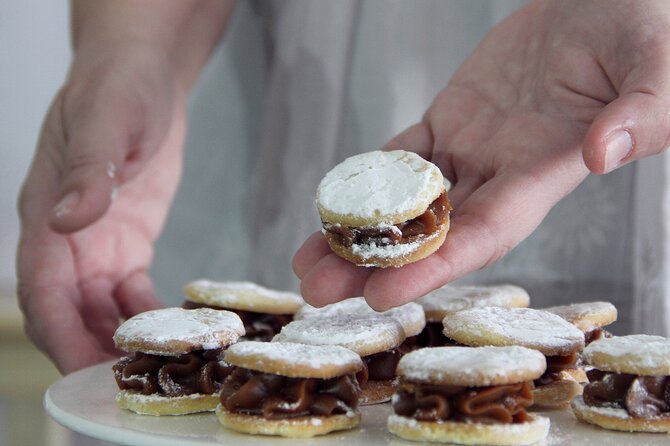
- Argentine classics: Prepare empanadas and dulce de leche alfajores, two foods you will see all over Buenos Aires.
- Meat and vegan choices: The filling can suit mixed groups, including families with different diets.
- Small group setting: The class accepts no more than 10 people, making conversation and questions easier.
- Local guidance: Hosts including Tomas, Thomas, Carolina, Catalina, and Chef Valentino have led sessions, though the exact instructor can vary.
- Mate and cultural context: You get Argentina’s famous herbal infusion along with stories about food, family customs, and geography.
- Easy timing: The session lasts about two and a half hours and begins and ends at Gorriti 4882 in Palermo.
Making empanadas in Palermo
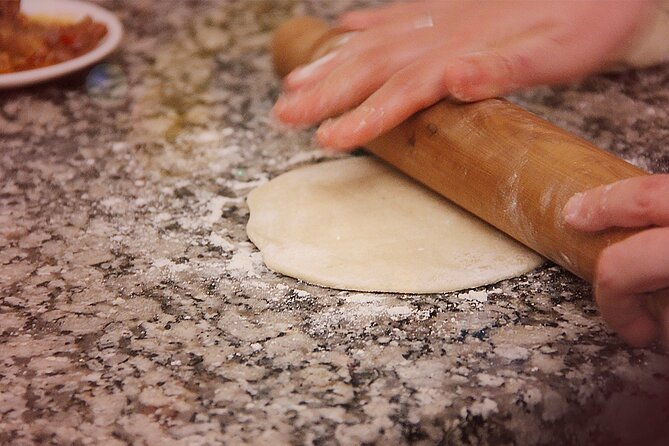
Empanadas are one of the most useful Argentine foods to learn because they are both everyday fare and a point of regional pride. The class begins with the filling, usually a meat choice or a vegan lentil option. You may chop vegetables and meat, help with quick stovetop cooking, and prepare the mixture before it goes into the dough.
The level of participation seems to vary slightly by host and group. Some descriptions indicate that you make much of the process from scratch, including rolling dough and stuffing the pastries. Another account describes premade shells being used, with the main work focused on chopping, cooking the filling, and folding. If you want a demanding pastry lesson, this may feel light. If you want a friendly introduction that works well after a long flight, it is a sensible pace.
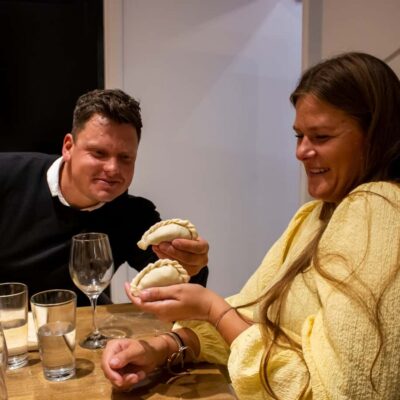
The folding is where the class earns its keep. A neat repulgue, the traditional crimped edge, takes practice. You will be shown how to seal the pastry and may learn that different shapes or patterns identify different fillings. This small detail connects the cooking to Argentine habits at home and in bakeries. It also gives children a creative task that does not require them to master a complicated recipe.
The filling choices matter for a mixed group. Meat eaters can choose a classic beef-style filling, while vegetarians and vegans have had a lentil option. Confirm your dietary needs when booking, since the supplied information confirms the options but does not spell out every ingredient or allergy procedure.
Once shaped, the empanadas are cooked and served for you to eat during the session. The payoff is immediate, and it helps you judge the balance of seasoning, dough, and filling. Several class accounts describe the finished empanadas as delicious, but one less favorable account found the seasoning flat. That is a reminder to keep your expectations realistic: the class is built around participation and cultural context as much as restaurant-level cooking.
More of Palermo:
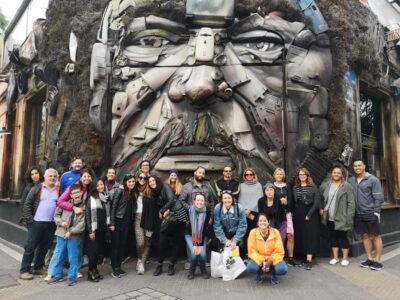
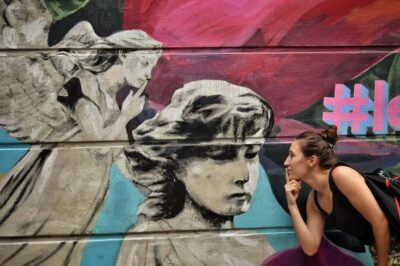
- Palermo: Graffiti and Street Art Guided Tour in English
★ 4.8 · 684 reviews - Buenos Aires: Empanada & Alfajor Cooking Lesson in Palermo
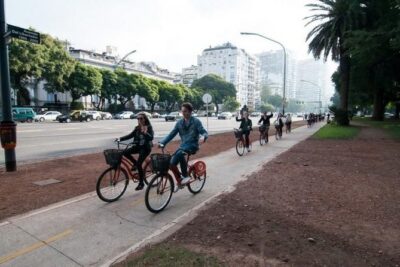
★ 4.6 · 186 reviews - Buenos Aires Bike Tour: North Districts, Recoleta and Palermo
★ 4.5 · 91 reviews
Alfajores, dulce de leche, and a careful touch
The second half turns to alfajores, Argentina’s beloved sandwich cookies. You mix, bake, and assemble the treats, then fill them with dulce de leche, the thick caramel-like milk spread that appears in desserts across the country.
The timing works well. The alfajor cookies need to cool, so the class can move between preparation, baking, and assembly rather than leaving you idle. You may finish them with coconut or shape them in different forms. Families especially appreciate this part because children can help decorate and make their own designs.
Handle the cookies gently. One practical note from a family session is that the baked cookies can be fragile, so pressing hard while spreading the dulce de leche may break them. This is not a major problem, but it is exactly the sort of small kitchen tip that helps when you try the recipe at home.
The alfajores are also a good test of your sweet tooth. Most accounts describe them as a highlight, with several people eager to repeat the recipe at home. One dissatisfied participant found both dishes lacking flavor. I would treat that as a possible variation in execution rather than a reason to expect poor food, but it does show why the host matters.
Mate, wine, and stories between the cooking
Mate is included as the main local drink. It is Argentina’s most famous infusion, made from yerba mate and traditionally shared from a gourd through a metal straw. The class uses it as a natural opening into local customs, rather than treating the drink as a random extra.
You can expect cultural conversation while the food is being prepared. Hosts have explained the origins of the dishes, regional differences, Argentine geography, and family traditions. One memorable story concerns children whistling while working in their grandmother’s kitchen, so the adults knew they were not secretly eating the filling. Details like this make the cooking feel connected to real household life.
The listing specifies coffee and/or tea, with mate identified as the signature drink. Several accounts also describe wine being served, and one family group enjoyed wine while cooking. Since the formal inclusion is mate, coffee, and/or tea, I would not book this expecting wine as a guaranteed part of the package.
The group setting adds another layer. With a maximum of 10 people, you have a fair chance to ask questions, compare folding styles, and talk with people from other countries. Several accounts praise the easy conversation and the chance to get suggestions for the rest of a Buenos Aires visit. A small class can also feel more social than a private lesson, especially if you are traveling alone.
What the two and a half hours really feel like
The advertised duration is about 2 hours and 30 minutes. That is long enough for two dishes without taking over your day. You will need time to hear the introduction, prepare fillings, shape empanadas, make or assemble the cookies, wait for baking and cooling, and sit down to eat.
The rhythm is likely relaxed rather than rushed. One account specifically appreciated not being pushed out once the food was ready. That matters because the final conversation is part of the activity, especially if you want to ask about Argentine food or compare notes with the group.
Still, do not picture every participant working at every moment. In a group kitchen, the host may demonstrate while one person handles a particular step. Most descriptions present the class as interactive, but one participant felt that only one person did much of the work. If active participation is important to you, say so at the start and volunteer for chopping, filling, folding, or assembly.
The class is suitable for children, and families with children aged 10 and 13 have especially enjoyed it. There is a safety point: chopping meat and vegetables with sharp knives is part of at least some sessions, so younger children will need close adult help. Kids can still take part in safer jobs such as filling, folding, shaping, and decorating.
More cooking classes in Buenos Aires:
- Buenos Aires: Empanadas and Alfajores Guided Cooking Class
★ 4.8 · 486 reviews - Argentinian Empanadas Cooking Experience in Palermo, Bs As
★ 4.8 · 50 reviews - Private Argentine Cooking Class and Tango Lesson in Buenos Aires
★ 5.0 · 37 reviews - Premium Empanadas Cooking Class & Wine Tasting Experience
★ 4.9 · 35 reviews
The hosts make a real difference
The experience is led by a professional native Buenos Aires host, but the exact person is not fixed in the information provided. Names connected with highly praised sessions include Tomas, Thomas, Chef Valentino, Carolina, and Catalina.
Tomas is described as patient, friendly, and good at explaining the food. He has also been associated with artisan aperitivos, including vermouths and fernets, which may interest anyone curious about Argentina’s drinking culture. Valentino received praise for guiding each stage patiently and helping beginners feel ready to cook the dishes at home. Carolina and Catalina also led warm, social sessions.
That range is useful, but it comes with a caveat. A small number of less favorable accounts describe limited explanation, plain recipes, or a host who did not offer much help with local recommendations. The class is not a fully standardized school with the same chef every day, so the tone and amount of instruction may differ.
I would book this for a welcoming introduction rather than for advanced culinary technique. The best hosts appear to explain not only what to do, but why the food matters. That cultural layer is the reason to choose this activity over simply buying an empanada and alfajor at a bakery.
Gorriti 4882 and getting there
The meeting point is Gorriti 4882, C1414BJN, in Palermo, and the activity returns to the same location. Transportation is not included, but the meeting point is near public transportation.
Plan to arrive with enough time to find the address. Since the class has a fixed start time and changes made within 24 hours are not accepted, a late arrival could cost you part of the workshop. The supplied information does not provide a hotel pickup, so you are responsible for reaching Palermo.
Ending where you began is convenient. You can continue exploring Palermo afterward, meet friends for dinner, or return to your lodging without arranging a second pickup. The nearby location also makes this easier to fit into a day of city sightseeing.
Is $49 a fair price?
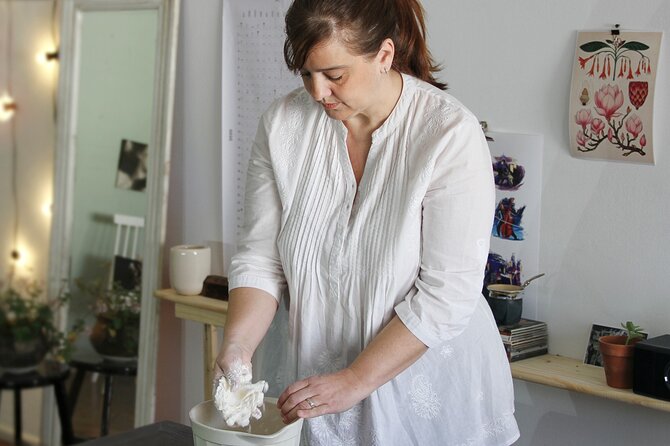
At $49 per person, the value depends on what you want from a cooking class. You receive the empanada ingredients, alfajor ingredients, cooking tools, a professional native host, and mate, coffee, and/or tea. You also eat the food you prepare and receive recipes to use later.
That is a fair package for a 2.5-hour activity in Buenos Aires, especially if you value local conversation and a small group. The recipes add lasting value. You are not simply paying for a meal, you are paying for guidance on folding, filling, shaping, and assembling two Argentine staples.
The value is weaker if you want a long, technical lesson with every item made entirely from raw ingredients. Some preparation may be completed ahead of time, and at least one account describes premade empanada shells. You may also spend part of the session watching rather than working, depending on the group.
For a family, the price buys a shared activity rather than separate sightseeing tickets. For a solo visitor or couple, it gives you a social setting and a practical souvenir that fits in your kitchen rather than your suitcase. Tips are not included, and transportation is also separate.
Who should book this Palermo class?
I would point families toward this first. The recipes are approachable, children can shape and decorate the food, and the class gives them a reason to try unfamiliar flavors. Just plan to supervise knife work and do not expect the instructor to manage every child’s task.
It also suits solo visitors. The group of up to 10 creates a natural chance to talk, and the cooking gives everyone something to do. You do not need previous experience, and the relaxed format can be a good choice if jet lag has left you unwilling to spend a full day sightseeing.
Food-focused couples will enjoy it if they want more than restaurant meals. You learn the difference between a purchased pastry and one you folded yourself, then leave with recipes for a repeat performance at home.
I would hesitate if you have strict allergy requirements that need detailed handling, since the available information does not explain cross-contamination procedures. I would also choose another class if your main goal is advanced knife skills, professional pastry work, or a guaranteed wine tasting.
Booking and cancellation details
The experience is often reserved well ahead, with an average booking lead time of 37 days. That suggests you should reserve early if your Buenos Aires dates are fixed, especially for a preferred time.
Confirmation is provided when you book. Free cancellation is available up to 24 hours before the local start time for a full refund. Cancellations or changes made less than 24 hours ahead are not accepted for a refund.
The cancellation account in the supplied information describes a serious scheduling problem involving a last-minute change and cancellation. That appears to be an exception rather than the normal arrangement, but it is sensible to keep your booking confirmation and contact details handy. If the provider changes your time, ask clearly how the refund or replacement booking will be handled before paying again.
Should you book the empanada and alfajor experience?
Book it if you want a friendly, food-centered look at Buenos Aires, especially with children, a partner, or on your own. The strongest reasons are the meat and vegan choices, the manageable group size, the recipes for home, and the small cultural details around mate and family cooking.
Go in expecting an easy workshop, not a demanding culinary course. Participation can vary, and the exact host can affect how much you learn. If you volunteer for each task and ask questions, you are more likely to get the full value of the session.
At $49, I consider it a good buy for an authentic introduction to two Argentine favorites. It is best for curious beginners who want to cook, eat, and talk, not for visitors seeking a polished restaurant meal or advanced instruction.
FAQ
How long does the cooking experience last?
The activity lasts approximately 2 hours and 30 minutes.
Where does the class begin and end?
It begins at Gorriti 4882, C1414BJN, in Buenos Aires, and ends back at the same meeting point.
What foods will I prepare?
You will prepare Argentine empanadas and dulce de leche alfajores.
Are vegan options available?
Yes. Meat and vegan empanada options are available. A lentil filling has been used for vegetarian participants.
What drinks are included?
The included drinks are coffee and/or tea, with mate described as the most authentic and famous Argentine infusion. Some sessions have also included wine, but wine is not listed as a guaranteed inclusion.
How many people can join the class?
The activity has a maximum of 10 participants.
Is cancellation free?
Yes, you can cancel for a full refund up to 24 hours before the experience start time. Changes or cancellations made less than 24 hours before the start are not accepted for a refund.
More Food Tours in Buenos Aires
- Buenos Aires: 9-Course Argentine Meat Tasting at Fogón Asado
★ 4.9 · 826 reviews - Buenos Aires: Local Foodie Adventure with Sherpa Food Tours
★ 4.9 · 670 reviews - Buenos Aires: Authentic Argentine Asado BBQ with Live Music
★ 5.0 · 178 reviews - Buenos Aires Food Tour: Local Dishes, Steak, Empanada & More
★ 5.0 · 118 reviews
Just added around Buenos Aires
- Unique Tigre and Delta Private Day Cruise Navegation★ 5.0 · 3 reviews
- Buenos Aires: Customizable City Tour in Polish★ 4.7 · 3 reviews
- Velez Sarsfield Football Match★ 5.0 · 3 reviews
- Tango Show at: MichelAngelo★ 4.5 · 3 reviews
- From Colonialism to Eclecticism, Buenos Aires arquitectonica★ 5.0 · 3 reviews
- Enjoy a Rural Experience in a Vineyard near Buenos Aires★ 4.7 · 3 reviews
- Guided tour Boca Juniors Museum & Stadium + Caminito★ 3.3 · 3 reviews
- Buenos Aires: Montserrat, San Telmo, La Boca, and Puerto …★ 5.0 · 3 reviews
Palermo Tours, compared.
Buenos Aires Bike Tour: North Districts, Recoleta and Palermo
Read our review →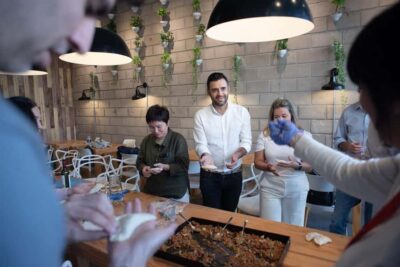
Argentinian Empanadas Cooking Experience in Palermo, Bs As
Read our review →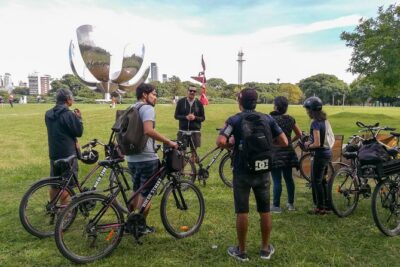
Cultural Experience by Bike around Palermo and Recoleta Max 6 ppl
Read our review →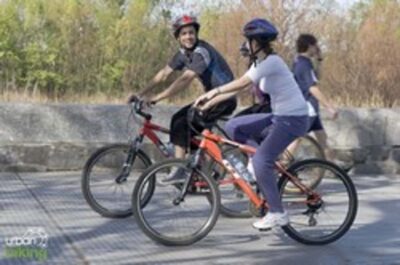
Browse the lists this tour appears in