
Reviewed · PALERMO TOURS
Palermo SoHo for curious people
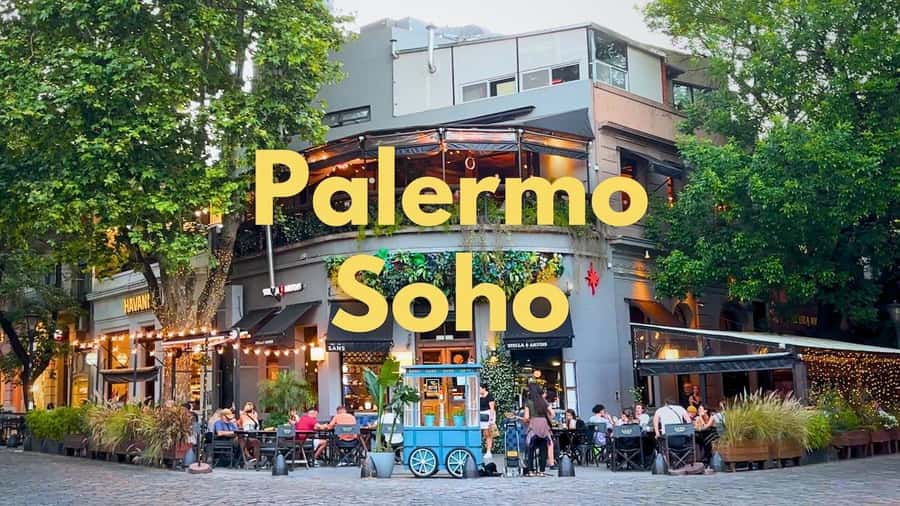
Palermo SoHo looks like a neighborhood built for brunch menus and boutique shopping, but this walk asks what came before the sourdough bakeries. With anthropologist Nico, you trace the area’s trains, tram connections, immigrant communities, changing property market, and new identity as Buenos Aires’ coolest district.
I like the tour’s discussion-based format, and I like that it connects street scenes to big forces such as gentrification and peso devaluation. The stop at the Ukrainian cultural association adds a side of Palermo you could easily miss on your own.
The main consideration is pace. Two hours covers many stops, so this suits you if you enjoy questions and conversation more than long visits inside buildings. The route finishes at Plaza Serrano, not back at the starting point.
In This Review
- Key points at a glance
- Palermo SoHo beyond the polished storefronts
- Starting at Distrito Arcos and Puente Pacífico
- Polo Científico Tecnológico and the changing city
- Pasaje Emilio Zola and the quieter side streets
- Ukrainian culture and Palermo’s immigrant past
- El Preferido, Don Julio, and the food economy
- ACILBA and Plaza Inmigrantes de Armenia
- Helados Italia gives the walk room to breathe
- Pasaje Russel and the final walk to Plaza Serrano
- What $25 buys you in Palermo
- Language, accessibility, and who will enjoy it
- Should you book Palermo SoHo for curious people?
- FAQ
- Where does the Palermo SoHo walk begin?
- Where does the tour finish?
- How long does the experience last?
- How much does the tour cost?
- Which languages are available?
- Is the experience guided by an anthropologist?
- Is this a private tour?
- Is the tour wheelchair accessible?
- What subjects are discussed during the walk?
- Is food included?
Key points at a glance
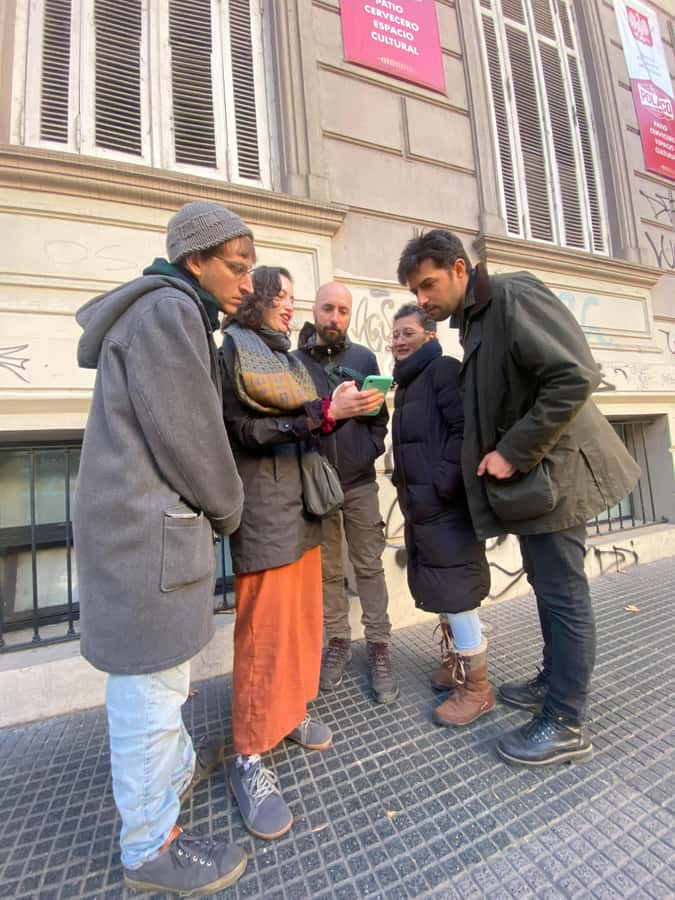
- Anthropologist-led conversation: Nico guides you through Palermo SoHo with a university background and a focus on social and cultural change.
- A route from Distrito Arcos to Plaza Serrano: The walk crosses well-known streets and less obvious corners of the neighborhood.
- History behind the style: Learn how trains, trams, immigration, and older local institutions helped shape Palermo.
- Gentrification made practical: Discuss property speculation, tourism, restaurants, and the effects of Argentine peso devaluation.
- A small sweet break: The itinerary includes time at Helados Italia, giving the walk a relaxed pause.
- Flexible group choices: You can book a private or small-group experience in English, Spanish, or French.
Palermo SoHo beyond the polished storefronts
Palermo SoHo is easy to read at street level. You see restaurants, design shops, bars, bakeries, and the familiar look of a neighborhood that has become fashionable. This experience asks you to read the area in layers instead.
The central question is simple: how did Palermo become SoHo? The answer is not presented as a single date or a marketing slogan. You discuss transport, immigration, local institutions, real estate, currency changes, and the steady arrival of new businesses.
That approach gives the walk its value. I can stroll past a stylish restaurant and notice the menu. A guide with an anthropological viewpoint can help me ask who owned the building before the restaurant arrived, who lives nearby now, and how a changing economy affects the area.
You should expect to speak, ask questions, and offer your own observations. This is not a headset-and-follow-the-umbrella walk. If you prefer a quiet lecture, the format may feel demanding. If you like connecting everyday details to wider issues, it offers much more than a neighborhood orientation.
More of Palermo:
- Palermo: Graffiti and Street Art Guided Tour in English
★ 4.8 · 684 reviews - Buenos Aires: Empanada & Alfajor Cooking Lesson in Palermo
★ 4.6 · 186 reviews - BA: Empanadas and Alfajores Cooking Experience in Palermo
★ 5.0 · 112 reviews
Starting at Distrito Arcos and Puente Pacífico
The meeting point is by the amphitheater of Distrito Arcos, next to the Montagne store. This is a useful detail to check before leaving, since one participant had trouble finding the exact meeting place and Nico helped with the confusion. Give yourself time to locate the amphitheater rather than arriving at the last minute.
The route then moves to Puente Pacífico for about 15 minutes of guided discussion. The name of this stop points to the area’s transport connections, and the walk uses that setting to raise a larger question: what did the train and tram have to do with Palermo’s beginnings?
You are not simply looking at a bridge and moving on. The guide links transport to settlement and neighborhood growth. That makes this early stop important because it gives you a framework for the rest of the walk.
I would pay close attention here even if bridges and transit infrastructure are not your main interests. The tour’s later subjects, from immigration to real estate, make more sense once you understand how movement and access helped shape the district.
Polo Científico Tecnológico and the changing city
The next stop, Polo Cientifico Tecnologico, takes about 20 minutes. The itinerary does not promise an interior visit, so expect a guided look and discussion rather than a museum-style stop.
This part of the walk helps place Palermo in its present-day setting. You consider how a neighborhood can carry old social patterns while new institutions and new investment change its public image. The guide uses the site to keep the conversation grounded in the city around you.
I appreciate that the itinerary does not treat Palermo SoHo as a frozen historic quarter. The point is to examine a place still changing. That means you may hear more questions than neat conclusions, especially when the discussion turns to who benefits from development and who may be pushed aside by rising interest.
Pasaje Emilio Zola and the quieter side streets
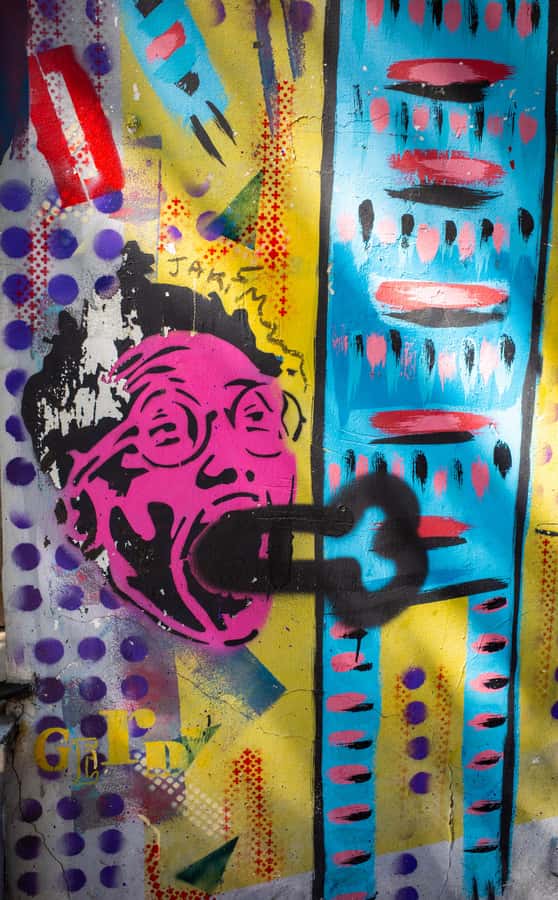
The 10-minute visit to Pasaje Emilio Zola provides a break from Palermo’s main commercial identity. A passage like this can show you the difference between the neighborhood’s major shopping and dining streets and its smaller residential corners.
The guide’s job here is not just to point out a pretty lane. You look at how the neighborhood feels away from its most public face. That contrast matters. Palermo SoHo’s image depends on visible cafés and design businesses, but its character also comes from side streets, local associations, and older homes.
Because the stop is short, you should not expect an extended architectural tour. Think of it as a visual pause that supports the larger discussion about how a district gets branded and consumed.
A different sort of afternoon, still in Buenos Aires:
- Buenos Aires Hop-On Hop-Off Bus, Free Walking Tours & Discounts
★ 4.5 · 2,218 reviews - Buenos Aires: Piazzolla Tango Show with Optional Dinner
★ 4.4 · 2,122 reviews - Buenos Aires: City Highlights Guided Tour with Transfer
★ 4.7 · 1,946 reviews - Buenos Aires: Hop-On Hop-Off City Bus Tour
★ 4.2 · 1,855 reviews
Ukrainian culture and Palermo’s immigrant past
The Asociación Ucrania de Cultura Prosvita en la República Argentina is one of the most distinctive stops. The guided visit lasts about 15 minutes and brings immigration directly into the route.
This is where Palermo’s story moves beyond its current restaurant scene. You learn about one immigrant community and consider who the first inhabitants of the area were. The association gives that question a physical address rather than leaving it as an abstract lecture.
I especially like this inclusion because it can change how you read the neighborhood. A fashionable district may appear new, yet its institutions can point to families, languages, and traditions that have been present for much longer.
The stop also adds balance to the gentrification discussion. You are not looking only at new businesses and property values. You are also considering the people and organizations that gave the neighborhood its social life before it became a popular stop on a Buenos Aires itinerary.
El Preferido, Don Julio, and the food economy
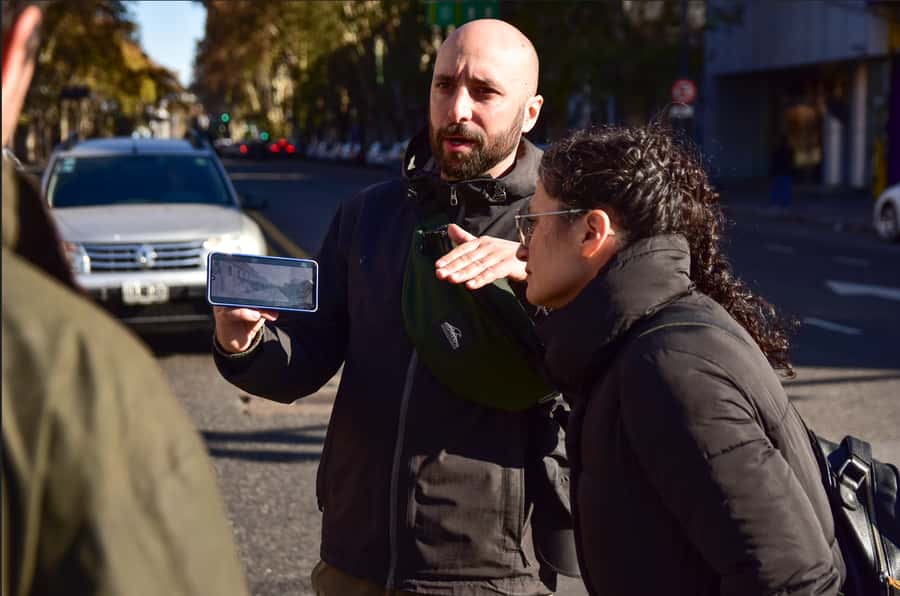
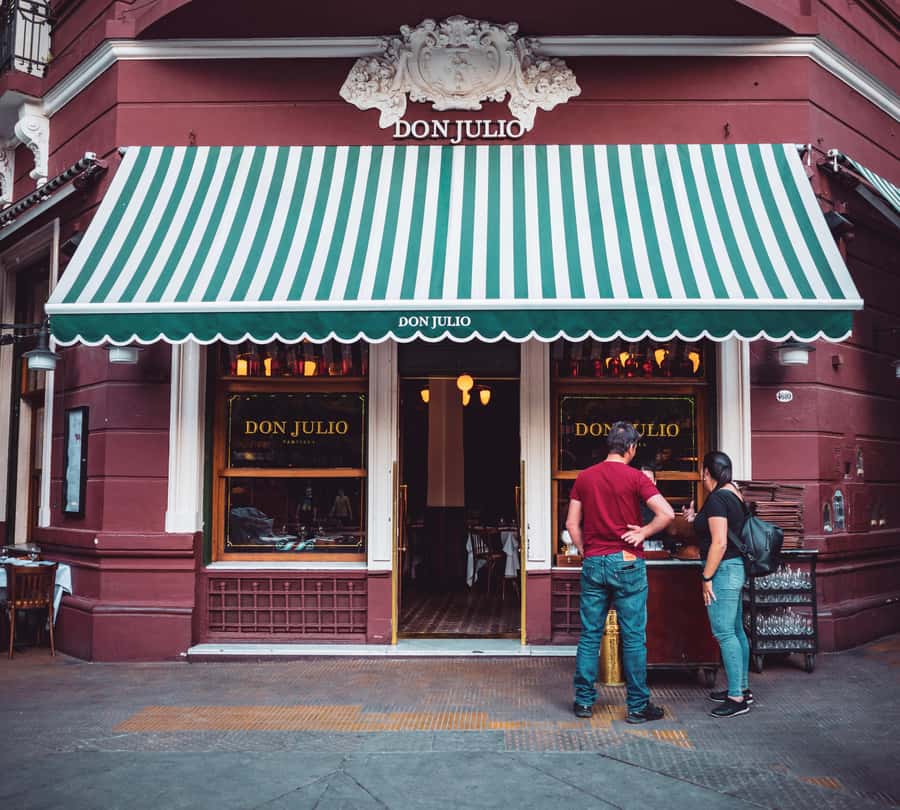
The walk then passes through three names tied to Palermo’s food culture: El Preferido de Palermo, Don Julio Parrilla, and the Klub Polaco.
El Preferido de Palermo receives about five minutes of guided attention. Don Julio is a five-minute visit, while the Klub Polaco also receives a brief visit. These are short stops, so the focus is not a full meal, tasting, or restaurant reservation. Instead, they help you examine how food, reputation, and neighborhood identity fit together.
The contrast is useful. You see the kind of dining that has helped make Palermo SoHo famous, alongside a Polish cultural presence that adds another layer to the area. The route does not ask you to decide that old is good and new is bad. It asks you to look at how different identities share the same streets.
This is also the point where the discussion of tourism becomes practical. Chic restaurants and bakeries are not just decoration. They are part of the area’s economy and part of the reason rents, property interest, and public attention have changed.
You should not book this walk expecting a food tour. No meal is included, and the restaurant stops are brief. Book it if you want the social meaning behind Palermo’s dining scene, then choose your own place to eat afterward.
ACILBA and Plaza Inmigrantes de Armenia
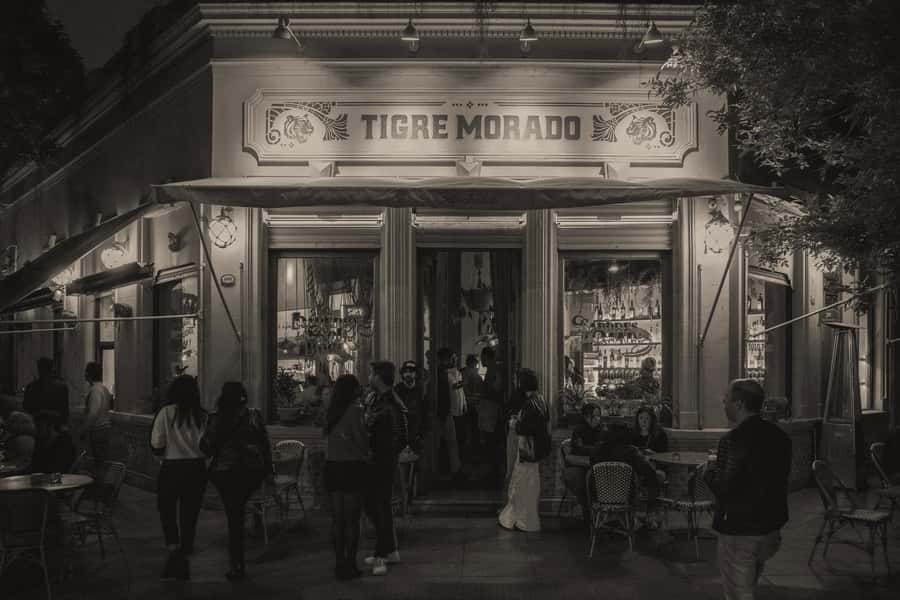
The group passes ACILBA for about three minutes before reaching Plaza Inmigrantes de Armenia. The plaza receives roughly 10 minutes of guided discussion.
This section brings the immigration theme back into public space. The plaza’s name offers a clear opening to talk about communities, memory, and the way cities mark their past. You are encouraged to connect the cultural association earlier in the route with the names and institutions you encounter here.
The stop also helps explain why a neighborhood can have several identities at once. Palermo can be fashionable, immigrant, residential, commercial, and politically shaped by economic change. Those descriptions do not cancel each other out.
I would use this part of the walk to ask Nico specific questions about the groups and institutions you have just seen. The format is designed for that kind of exchange, and a small group or private booking should make it easier to steer the conversation toward your interests.
Helados Italia gives the walk room to breathe
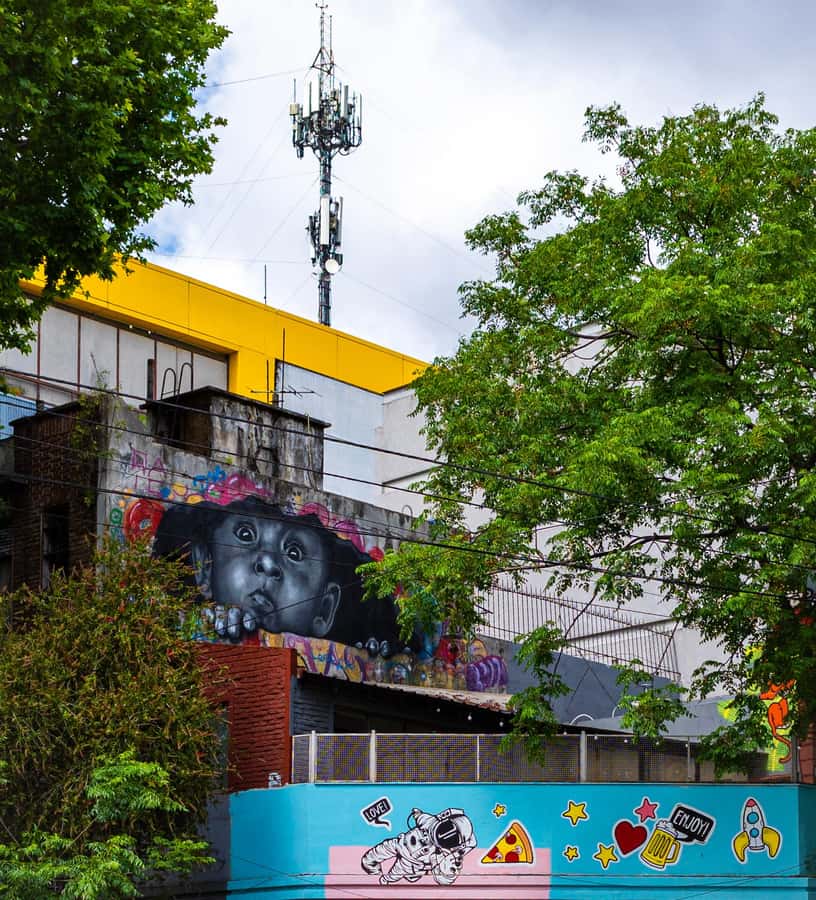
After the heavier topics, the itinerary includes a 15-minute break at Helados Italia. This is the longest pause on the route and a useful chance to rest, cool down, and continue the conversation in a less formal way.
The price of any food or ice cream is not listed as included, so you should treat this as a break rather than a provided tasting. Even so, the stop adds a welcome human rhythm to the experience. Two hours of urban history and economic discussion can feel dense, and a pause helps you absorb what you have heard.
It also keeps the tour from feeling too academic. Palermo SoHo is a place of daily pleasures, and gelato belongs naturally in a discussion of how people use and market the neighborhood.
Pasaje Russel and the final walk to Plaza Serrano
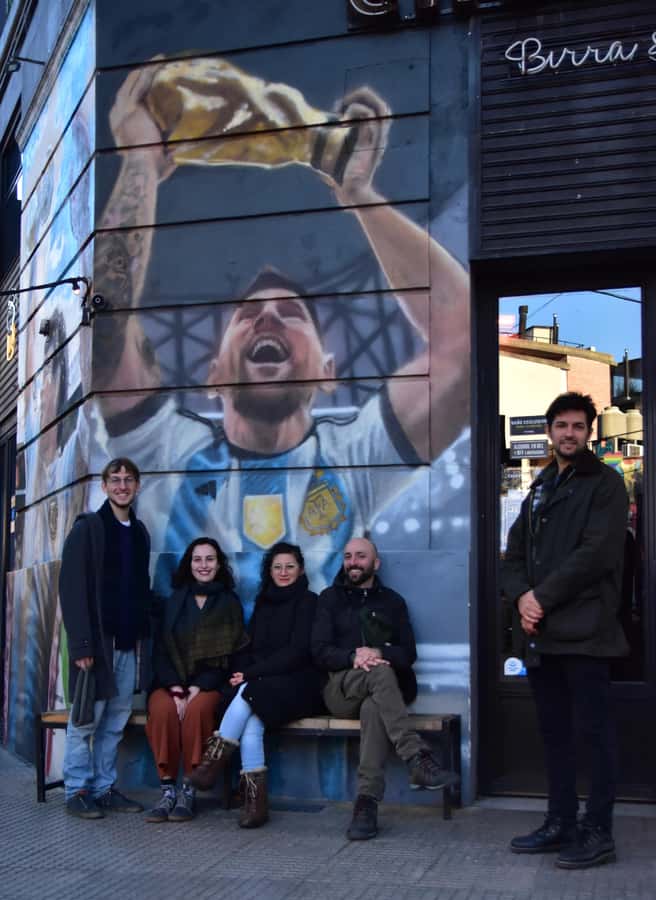
The final guided stop is Pasaje Russel, with about 10 minutes of discussion, before the walk ends at Plaza Serrano.
Like Pasaje Emilio Zola, Pasaje Russel gives you a smaller-scale view of Palermo. These passages help counter the idea that the district is only its main avenues and high-profile venues. The route ends at Plaza Serrano, one of the area’s best-known gathering points, so you finish in the middle of the neighborhood’s modern public identity.
That ending is practical. You can continue exploring from Plaza Serrano, stop for a drink, browse nearby businesses, or use the area as a base for your next activity. Just remember that the walk does not return to Distrito Arcos.
The final discussion looks ahead. What happens to Palermo SoHo next? The question matters because the area’s future depends on the same forces raised earlier: property speculation, tourism, currency shifts, local culture, and changing demand.
What $25 buys you in Palermo
At $25 per person, this is a strong value if you want interpretation rather than admission tickets or food. You are paying for two hours with a live guide, a planned route, and a conversation that connects many parts of Palermo’s story.
The value is less obvious if you want a long list of monuments. This is not an attraction-heavy walk with extended interior visits. Several stops last only three to five minutes, and the guide’s main offering is context.
That distinction helps you compare it with other activities. A standard sightseeing walk may cover more famous sights and deliver more dates. This experience gives you a way to understand why the neighborhood looks as it does now.
The private and small-group options may also matter. The more conversational the format, the more useful a smaller group can be. You can ask about real estate, immigration, the two exchange rates, or a particular street without waiting through a large group’s questions.
The activity also offers reserve-now-and-pay-later booking and free cancellation up to 24 hours before the start time. Those terms make it easier to fit into a Buenos Aires schedule, though you should still check the available starting times when booking.
Language, accessibility, and who will enjoy it
The walk is available in English, Spanish, and French. That makes it suitable for visitors who want to discuss complex subjects in a language they handle comfortably.
It is listed as wheelchair accessible. Since this is a two-hour city walk with several street-level stops, you should still confirm the specific route details if you have particular mobility needs. The available information supports accessibility, but it does not describe every pavement or crossing.
I would recommend this experience to you if:
- You enjoy asking questions rather than only taking photos.
- You want to understand gentrification through a real neighborhood.
- You are curious about immigration and local cultural associations.
- You have already seen Buenos Aires’ main sights and want a more focused district walk.
- You like food culture but want social and economic context, not a tasting menu.
- You prefer a private or small-group setting.
I would choose another activity if you need a fast introduction to all of Buenos Aires, want several long indoor visits, or prefer a tour with little discussion. The guide’s warmth and humor were praised by participants, and Nico was also helpful when someone had trouble finding the meeting point. Still, the format works best when you bring curiosity and participate.
Should you book Palermo SoHo for curious people?
Book this walk if Palermo SoHo interests you as a living neighborhood, not just a place for dinner. For $25, you get a thoughtful route through transport history, immigrant institutions, food businesses, public squares, and side passages, with Nico guiding the conversation in English, Spanish, or French.
The best reason to go is the angle. You will leave with more useful questions about the district: who shaped it, who profits from its new image, and what may come next. If that sounds better than a simple checklist of sights, this is a smart, fairly priced choice.
FAQ
Where does the Palermo SoHo walk begin?
The meeting point is by the amphitheater of Distrito Arcos, next to the Montagne store.
Where does the tour finish?
The walk finishes at Plaza Serrano.
How long does the experience last?
The walking experience lasts two hours.
How much does the tour cost?
The listed price is $25 per person.
Which languages are available?
The tour is available in English, Spanish, and French.
Is the experience guided by an anthropologist?
The walk is led by a university-degree guide with an anthropological perspective. The guide named in the activity information and participant feedback is Nico.
Is this a private tour?
You can book the experience as a private tour or in a small group.
Is the tour wheelchair accessible?
Yes. The activity is listed as wheelchair accessible.
What subjects are discussed during the walk?
You discuss Palermo’s origins, trains and trams, early inhabitants, immigration, gentrification, real estate speculation, Argentine peso devaluation, exchange rates, tourism, restaurants, and the neighborhood’s future.
Is food included?
Food is not listed as included. The route includes a 15-minute break at Helados Italia, but the information does not specify a complimentary tasting or purchase.
Just added around Buenos Aires
- Unique Tigre and Delta Private Day Cruise Navegation★ 5.0 · 3 reviews
- Buenos Aires: Customizable City Tour in Polish★ 4.7 · 3 reviews
- Tango Show at: MichelAngelo★ 4.5 · 3 reviews
- Velez Sarsfield Football Match★ 5.0 · 3 reviews
- Enjoy a Rural Experience in a Vineyard near Buenos Aires★ 4.7 · 3 reviews
- Guided tour Boca Juniors Museum & Stadium + Caminito★ 3.3 · 3 reviews
- From Colonialism to Eclecticism, Buenos Aires arquitectonica★ 5.0 · 3 reviews
- Buenos Aires: Private City Tour by Car with Hotel or Pickup★ 5.0 · 3 reviews
Palermo Tours, compared.

BA: Empanadas and Alfajores Cooking Experience in Palermo
Read our review →
Buenos Aires Bike Tour: North Districts, Recoleta and Palermo
Read our review →
Argentinian Empanadas Cooking Experience in Palermo, Bs As
Read our review →
Cultural Experience by Bike around Palermo and Recoleta Max 6 ppl
Read our review →
Browse the lists this tour appears in