Reviewed · TOURS
Boca tour: Tango, Soccer, Art and Immigration
La Boca is where Buenos Aires gets loud, colorful, and wonderfully complicated. This 150-minute walking tour connects the neighborhood’s Italian immigrant roots with tango, street art, and Boca Juniors football, so you see more than Caminito’s painted facades.
I like the ride by public bus, which gets you oriented before the walk, and the chance to enter a conventillo, the shared housing once used by immigrants. The main drawback is that the bus fare and any stadium entrance fee are not included, and the route has enough walking that it is not suitable for wheelchair users.
In This Review
- Key points at a glance
- Why this La Boca walk works
- From Venezuela 649 to the old port
- Inside a La Boca conventillo
- Caminito and the painted streets
- Tango begins with a mix of cultures
- Walking toward La Bombonera
- Finishing beside the port
- What the $50 price gets you
- Who should book this walking tour
- Should you book Boca tour: Tango, Soccer, Art and Immigration?
- FAQ
- Where does the tour meet?
- How long does the activity last?
- What languages are available?
- Is transportation to La Boca included?
- Is the Boca Juniors stadium entrance included?
- Are meals and drinks included?
- What should I bring?
- Is smoking allowed?
- Is the tour suitable for wheelchair users?
- Can I cancel for a refund?
Key points at a glance
- Italian roots and tango origins: Learn how immigration, port life, and mixed cultures shaped La Boca.
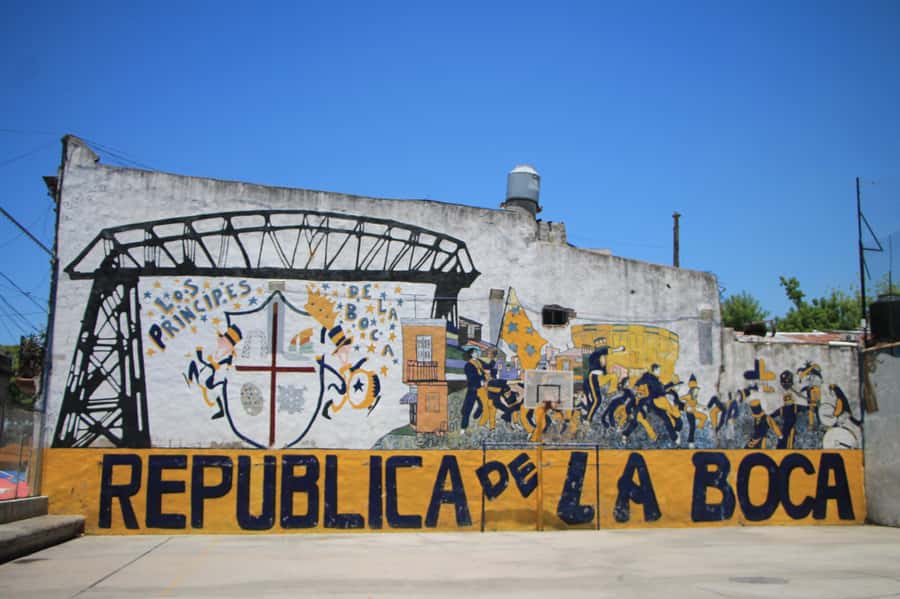
- Caminito beyond the postcard: Walk the famous pedestrian street, with murals, painted houses, and street art.
- La Bombonera from the outside: Feel the force of Boca Juniors football culture, while remembering that stadium admission costs extra.
- A local guide from the start: The guide meets you at Venezuela 649 and travels with you by public bus to La Boca.
- Small-group feel: The tour is limited in size, which leaves more room for questions and conversation.
- Clear practical limits: Bring comfortable shoes, water, and a camera. Smoking is not allowed.
Why this La Boca walk works
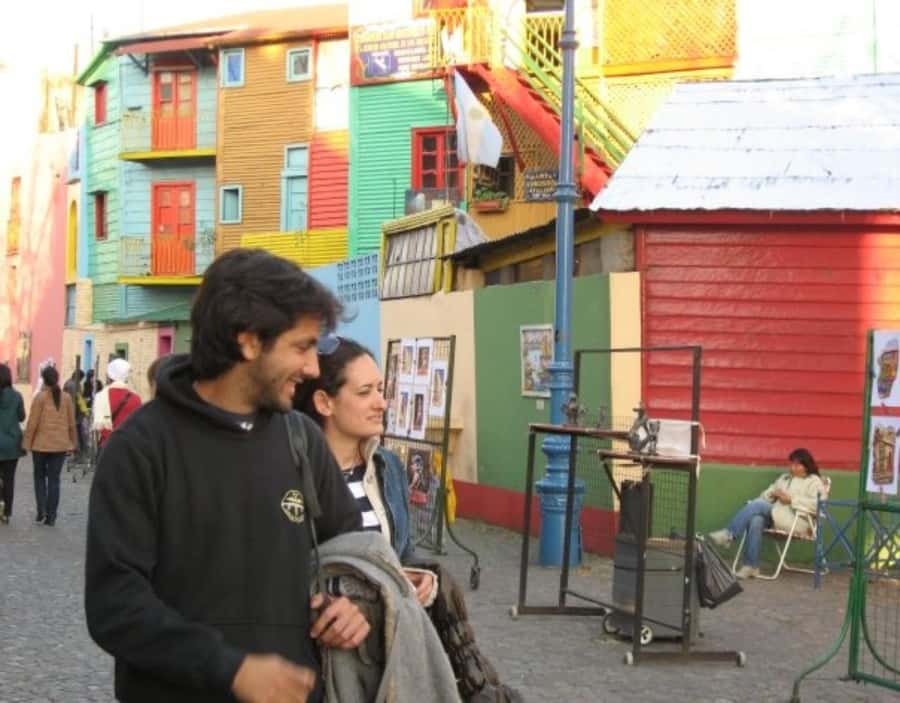
La Boca can be easy to misread. A quick visit to Caminito may leave you with a handful of colorful photos but little sense of why the neighborhood looks this way. This tour gives the color some context. It links the old port to Italian immigration, shared workers’ housing, tango, soccer, and the street art that now defines the area.
I especially like the way the route begins at Viajero Hostel, at Venezuela 649, rather than dropping you in the middle of the tourist center. You meet at 11 am on Tuesdays or Fridays, then take a public bus with the guide. That small bit of ordinary Buenos Aires life helps you get your bearings before the main walk begins.
The guide language choices are English, Spanish, and Portuguese. Juliette led several of the recent tours, and her approach came across as both clear and friendly. The strongest praise centered on her explanations, her ability to make the walk fun, and the sense of safety she gave the group. That matters in La Boca, where a guide who knows the streets and keeps the group together adds real value.
At $50 per person, this is not the cheapest way to see Caminito. You are paying for roughly two hours of guided walking in a limited group, plus the guide’s time on the public bus and the cultural background that a self-guided stroll may miss. It makes the best financial sense if you want context and questions answered, not just a photo stop.
Other Buenos Aires outings people book alongside this one:
- Buenos Aires Hop-On Hop-Off Bus, Free Walking Tours & Discounts
★ 4.5 · 2,218 reviews - Buenos Aires: Piazzolla Tango Show with Optional Dinner
★ 4.4 · 2,122 reviews - Buenos Aires: City Highlights Guided Tour with Transfer
★ 4.7 · 1,946 reviews
From Venezuela 649 to the old port
The meeting point is Viajero Hostel, Venezuela 649, at 11 am. From there, you travel by public bus to La Boca. Your bus ticket is not included, so bring small change or another practical way to pay the fare.
The ride is useful because the tour starts before you reach the famous streets. You are not simply transported to a display of painted buildings. The guide can begin explaining how La Boca grew around its port and how newcomers from Italy helped shape its character.
The route arrives at the old port and the entrance to Caminito. This is an important starting point. La Boca’s identity is tied to work, shipping, migration, and the people who settled near the water. The port gives the later sights a reason to exist.
The tour lasts 150 minutes in total, while the walking portion is described as about two hours. In practical terms, plan for a fairly active outing of around two and a half hours including transport and transitions. Wear shoes you can walk in without complaint. There is no need for formal footwear here, and your feet will thank you for choosing comfort over style.
Inside a La Boca conventillo
One of the most useful stops is a conventillo. These were shared houses where immigrants lived, often with several families using rooms around common spaces. You get a more human view of the neighborhood here than you do from a painted street alone.
The stop helps explain why La Boca developed such a mixed cultural identity. Italian immigration is a central part of the story, but the tour also addresses the wider mix of cultures that came together around the port. That mixture helped shape local music, speech, food, and public life.
This is where the tour earns some of its price. A row of colorful houses can be admired in minutes. Understanding the kind of housing behind those facades takes longer, and it changes how you look at the street afterward.
Do not expect a long museum visit or a private-home tour. The supplied details identify a visit to a conventillo, but they do not promise a large exhibit, extensive interiors, or a formal collection. Think of it as a focused cultural stop within a walking route.
Caminito and the painted streets
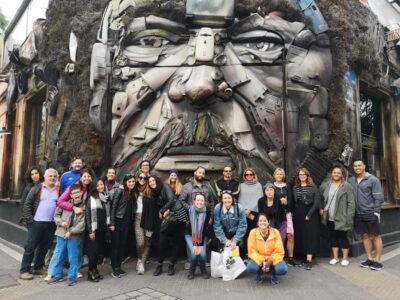
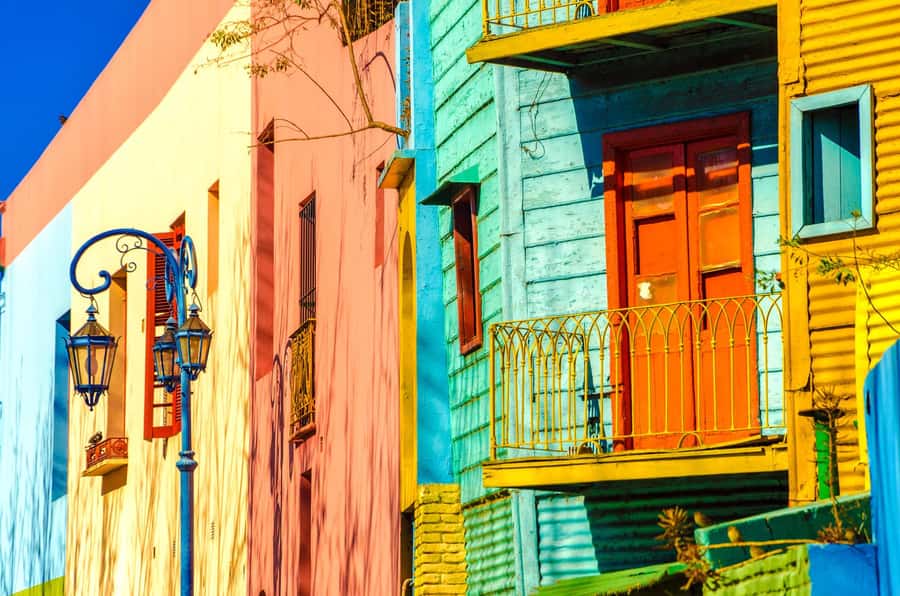
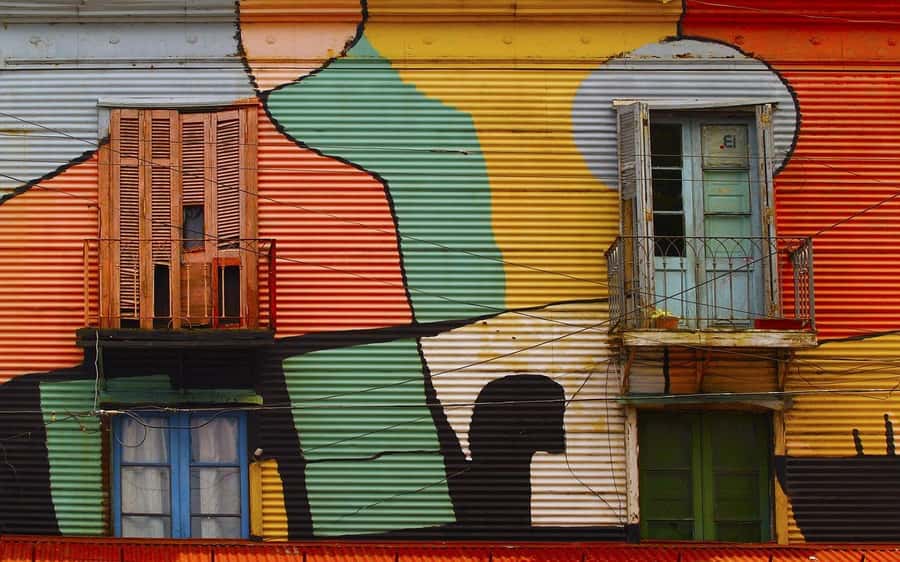
Caminito is La Boca’s best-known sight, and it is every bit as camera-friendly as you expect. The pedestrian street is lined with strong colors, murals, painted surfaces, and the lively street art that draws people here.
The useful part of seeing Caminito with a guide is that you can place the decoration in context. The colors are not the whole story. The guide connects the street to immigrant life, tango, the port, and the way La Boca has built its public identity.
You will have time to look around and take photos, so bring a camera. The area is made for short stops and visual details. Look closely at the murals, football references, and building fronts rather than rushing from one landmark to the next.
There is also a tradeoff. Caminito is the most visitor-focused part of the route, so it can feel more staged than other parts of Buenos Aires. This tour does not pretend otherwise. Instead, it gives you the old port and conventillo context first, which makes the famous street feel less like an isolated set.
The word lively fits the scene, but the practical point is simple: stay with the group and keep aware of your belongings. One recent participant specifically valued feeling safe with Juliette. That is a useful reminder that a local guide is not only there to recite facts. Keeping a small group together and helping you move through the area calmly is part of the service.
A different sort of afternoon, still in Buenos Aires:
- Buenos Aires: Hop-On Hop-Off City Bus Tour
★ 4.2 · 1,855 reviews - Buenos Aires Hop-On Hop-Off Bus and Exclusive Benefits
★ 4.4 · 1,714 reviews - Buenos Aires: La Boca Guided Walking Tour in English
★ 4.8 · 1,587 reviews - Buenos Aires: La Recoleta Cemetery Guided Tour in English
★ 4.8 · 1,359 reviews
Tango begins with a mix of cultures
The tango section is one of the tour’s most appealing features. You learn about the origins of tango music and how the neighborhood’s immigrant population and port setting contributed to its development.
This is not advertised as a tango performance or dance lesson. You should book it for background and interpretation, not for a full evening of music. The value lies in seeing how a local art form grew from contact between different communities.
That link between music and place gives La Boca more depth. Tango is often sold as a polished stage show in Buenos Aires. Here, you look at the social setting that helped shape it. The experience stays grounded in streets, housing, work, and migration.
The guide’s style matters a lot at this point. Recent tours were praised for clear, interactive explanations that kept the information from becoming a lecture. If you enjoy asking questions and joining a conversation, a limited-size group should suit you better than a large bus tour.
Walking toward La Bombonera
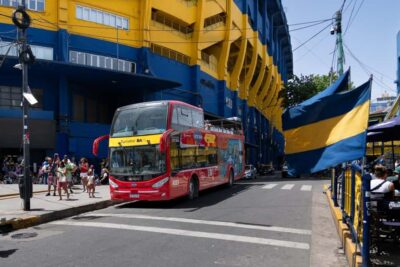
From Caminito, the route continues toward the Boca Juniors stadium, officially known by its famous nickname, La Bombonera. Even if you are not a serious football fan, this is a key part of understanding La Boca.
Boca Juniors is not treated here as a generic sports club. The stadium is presented as a center of Argentine football culture, known for its intense atmosphere and historic matches. Football graffiti and street art along the route help show how strongly the club is tied to neighborhood identity.
The tour lets you experience the area around the stadium, but the entrance fee is not included. The information provided does not promise a stadium interior visit, match access, museum admission, or a behind-the-scenes tour. If walking inside La Bombonera is your main goal, check the available admission details before booking and budget for that extra cost.
That limitation is easy to overlook because the stadium is one of the headline sights. I would treat the included portion as an exterior visit and a cultural explanation, unless your booking confirmation says otherwise.
For football fans, this may be the emotional high point of the walk. For everyone else, it still gives you a look at how sport can define a neighborhood. The contrast with the tango and immigration sections is part of the route’s strength. La Boca is not presented as one single theme.
Finishing beside the port
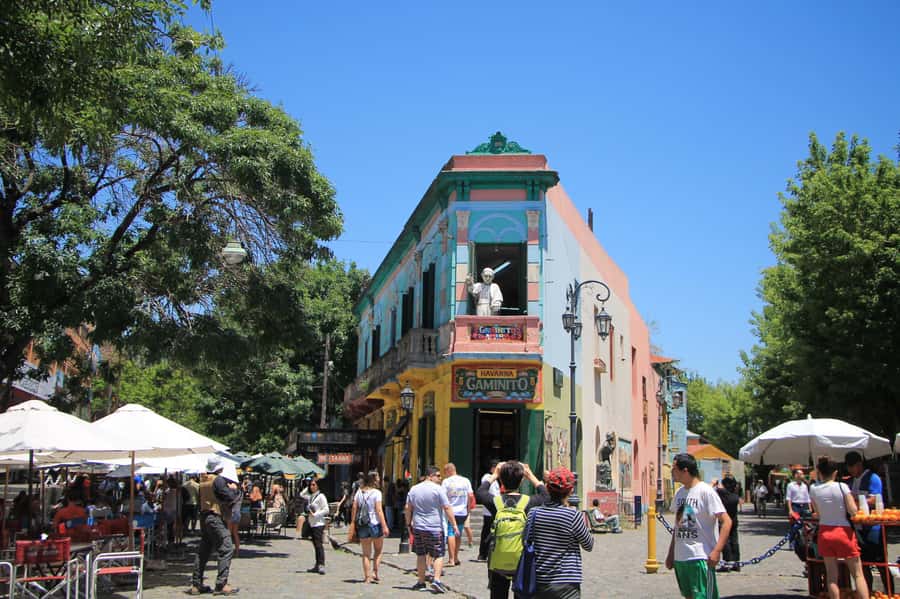
The walk finishes next to the port, in front of a street with several food options. Meals and drinks are not included, so this is a good place to decide what you want to do afterward.
Ending near food choices is practical. You can continue exploring, stop for a meal, or use the location as a break after the walking route. The tour does not build lunch into the schedule, which keeps the timing focused but means you should eat beforehand or carry water and a snack.
Bring a bottle of water, especially in warm weather. Comfortable shoes are essential, and a camera is worth packing. Smoking is not allowed during the activity.
The route is not suitable for wheelchair users, and it is not recommended for people over 95. The supplied details do not give a precise accessibility breakdown for every surface or crossing, so anyone with mobility concerns should ask the provider before reserving.
What the $50 price gets you
The $50 fee covers the guided walking tour, the visit to Caminito and the Boca neighborhood, and about two hours of local guide time for a limited group. It does not cover the public bus ticket, food, drinks, or the fee to enter Boca Juniors stadium.
I see the value in the guide rather than in the number of sights. Caminito itself is accessible without paying for a tour. The extra cost pays for the connections between places: the old port to immigration, conventillos to tango, and football art to La Bombonera.
That value rises if you are new to Buenos Aires or prefer a structured first visit. It also rises if you want explanations in English, Spanish, or Portuguese and enjoy a small-group setting. It is less compelling if you only want to photograph Caminito and already know the story of Boca Juniors.
The free cancellation policy allows you to cancel up to 24 hours ahead for a full refund. You can also reserve and pay later, which helps if you are still arranging your Buenos Aires schedule. These flexible terms do not change the extra costs on the day, so remember to plan for the bus and any stadium admission.
Who should book this walking tour
I would recommend this tour to first-time visitors who want La Boca explained rather than simply photographed. It also fits culture-minded visitors who want one route tying together migration, tango, street art, and football.
Football fans should book it if they want neighborhood context around La Bombonera. Just do not assume the $50 includes entry to the stadium itself.
The tour also suits people who prefer an active morning with a local guide. You will walk for much of the experience, and the route is not suitable for wheelchair users. If you dislike walking, public transport, or colorful tourist areas, this is probably not your best Buenos Aires outing.
The strongest reason to choose it is the guide. Juliette received repeated praise for making the route informative, friendly, interactive, and safe. Since the experience depends on live explanation, that personal element can make the difference between a useful neighborhood walk and a short list of photo stops.
Should you book Boca tour: Tango, Soccer, Art and Immigration?
Book it if you want to understand why La Boca looks and feels so distinct. The tour gives you a sensible sequence: old port, immigrant housing, Caminito, tango, football art, and La Bombonera. That order turns separate sights into one story.
Skip it if you only want stadium admission, a tango show, or a self-guided photo walk. Those are not what the $50 package provides. For everyone else, the combination of a limited group, a multilingual guide, and a route that moves beyond Caminito makes this a useful introduction to one of Buenos Aires’ most recognizable neighborhoods.
FAQ
Where does the tour meet?
Meet at Viajero Hostel, Venezuela 649, every Tuesday and Friday at 11 am.
How long does the activity last?
The listed duration is 150 minutes. The walking tour itself is described as about two hours, with public bus transport included in the overall outing.
What languages are available?
The live guide can conduct the tour in English, Spanish, or Portuguese.
Is transportation to La Boca included?
The tour includes taking a public bus with the guide, but the public bus ticket is not included in the price.
Is the Boca Juniors stadium entrance included?
No. Entrance fees to Boca Juniors stadium are not included.
Are meals and drinks included?
No. You pay separately for all meals and drinks.
What should I bring?
Bring comfortable shoes, a camera, and water.
Is smoking allowed?
No. Smoking is not allowed during the activity.
Is the tour suitable for wheelchair users?
No. The activity is listed as unsuitable for wheelchair users.
Can I cancel for a refund?
Yes. You can cancel up to 24 hours in advance for a full refund. You can also reserve now and pay later.
Just added around Buenos Aires
- Unique Tigre and Delta Private Day Cruise Navegation★ 5.0 · 3 reviews
- Buenos Aires: Customizable City Tour in Polish★ 4.7 · 3 reviews
- Velez Sarsfield Football Match★ 5.0 · 3 reviews
- Tango Show at: MichelAngelo★ 4.5 · 3 reviews
- From Colonialism to Eclecticism, Buenos Aires arquitectonica★ 5.0 · 3 reviews
- Enjoy a Rural Experience in a Vineyard near Buenos Aires★ 4.7 · 3 reviews
- Guided tour Boca Juniors Museum & Stadium + Caminito★ 3.3 · 3 reviews
- Buenos Aires: Montserrat, San Telmo, La Boca, and Puerto …★ 5.0 · 3 reviews
Tours, compared.